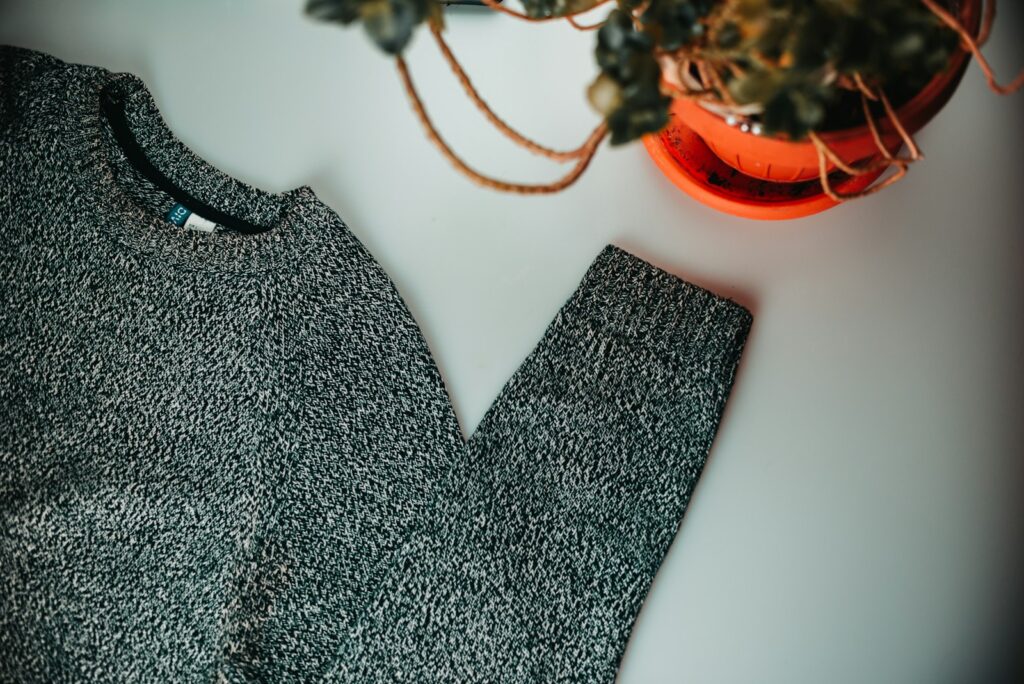
The Enduring Style of the Cable Knit
Born from working fishermen's jumpers, the cable knit's twisted rope pattern has outlasted nearly every trend that came after it. Here is why it endures.
 By Daniel Koh
1 September 2026 · 6 min read
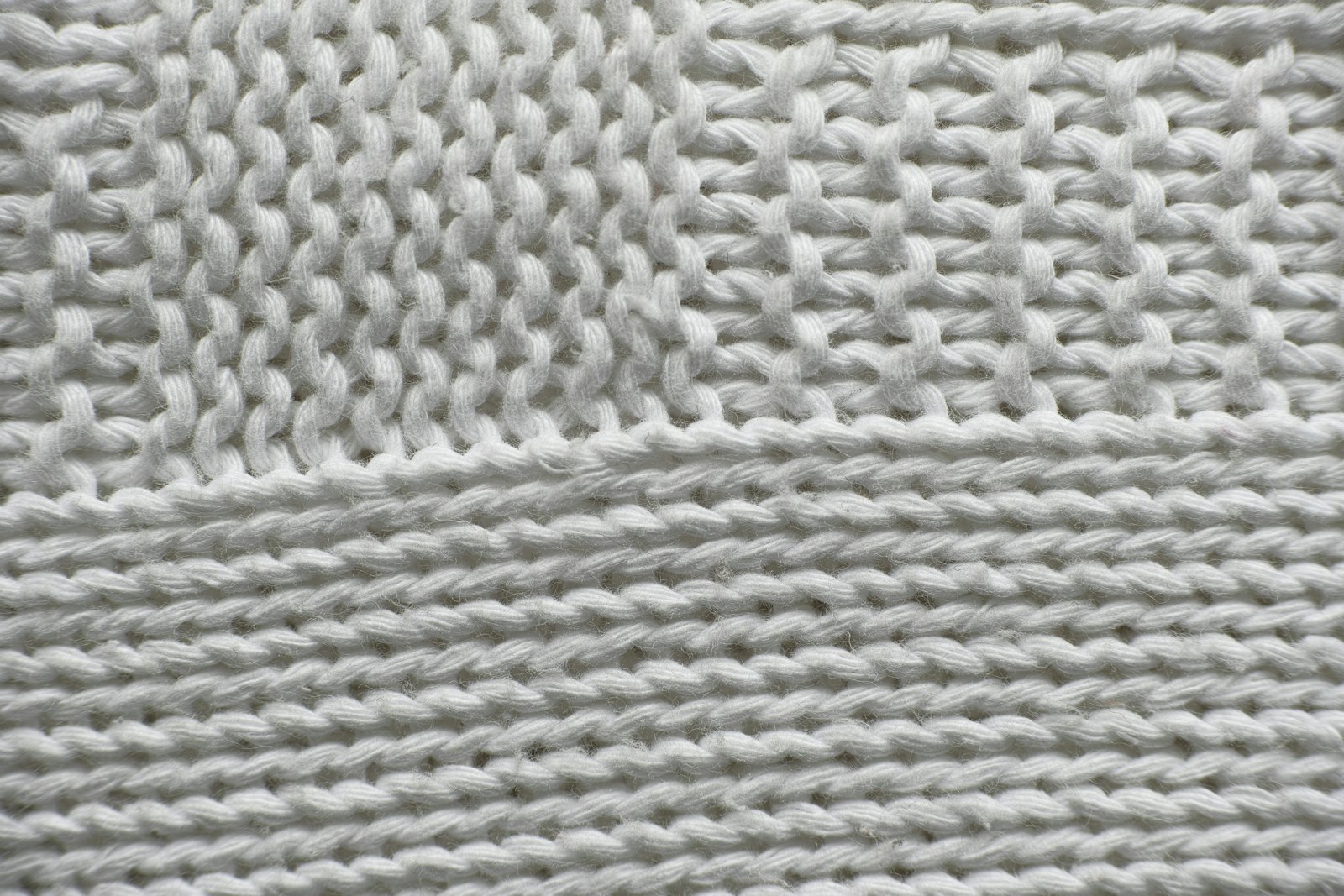
Few garments in menswear can claim a working-class origin story quite as vivid as the cable knit. The pattern’s distinctive twisted ropes, worked into wool using a technique of crossing stitches over one another, are widely traced to fishing communities along the British and Irish coasts, where dense, richly patterned jumpers were knitted to withstand genuinely brutal maritime weather. Whether or not every specific regional legend attached to the style holds up to historical scrutiny, the practical logic is sound: a tightly cabled knit traps more air, and therefore more warmth, than a plain stitch of the same weight, which made it a sensible choice long before it became a style statement.
How the pattern is actually made
Cable knitting works by deliberately crossing groups of stitches over one another at regular intervals, using a small double-pointed needle to hold stitches out of sequence temporarily while the knitter works around them. The result, repeated up the length of a panel, produces the raised, twisted rope effect that gives the technique its name. It is considerably more labour-intensive than plain or ribbed knitting, requiring genuine skill and patience, which is part of why a properly hand-knitted cable jumper commands a meaningful premium over a simpler garment of similar weight.
Traditional versions favour a dense, hard-wearing wool — often undyed, in a natural cream or oatmeal shade — chosen specifically for warmth and durability rather than softness. Modern interpretations range far wider, from lightweight cotton versions suited to milder climates through to cashmere blends that trade the original’s rugged practicality for considerably more luxurious comfort.
Why the pattern has outlasted its origins
- It photographs and reads well at almost any distance, giving a jumper genuine visual texture without relying on colour or logo
- The construction genuinely does trap more warmth, giving the style a functional edge that purely decorative knitwear patterns lack
- It sits comfortably at multiple registers of formality, working equally well under a blazer or on its own with denim
- The pattern has proven remarkably resistant to becoming dated, unlike many knitwear trends tied to a specific decade
Where it sits among fisherman knits
The cable knit belongs to a wider family of maritime working knitwear worth understanding together. Against the broader fisherman sweater tradition, the cable pattern represents one specific decorative technique among several regional approaches to dense, weather-resistant knitting, each historically developed with slightly different working conditions and local wool in mind.
It is also worth comparing directly against the guernsey sweater, which favours a tighter, flatter knit with less dramatic surface texture than the cable’s raised rope pattern — a useful contrast for understanding how differently two garments built for essentially the same purpose can end up looking, depending on the specific regional knitting tradition behind each.
“My grandmother knitted cable jumpers for the whole family every winter, and I still have the pattern she used. Buying a version off the shelf now, I find myself checking the stitch work against what she taught me to look for,” one collector said of a lifelong attachment to the style.
How the pattern has moved through fashion history
The cable knit’s journey from working garment to mainstream style is a story repeated across much of menswear’s most enduring pieces. It first crossed from fishing villages into broader fashion consciousness through collegiate and preppy dress codes in the early-to-mid twentieth century, prized then, as now, for a sense of hardy, outdoorsy authenticity that appealed to wearers who had never set foot on a working trawler. Later decades saw it absorbed into everything from ski wardrobes to high fashion runway collections, each era reinterpreting the same basic cable technique through a different lens of formality, colour, and cut, without ever quite abandoning the essential rope-like structure that gives the style its name.
What is notable, looking back across that long history, is how rarely the core pattern itself has needed reinventing. Designers have varied the yarn weight, the fit, the colour, and the garment silhouette built around it, but the fundamental crossed-stitch cable technique has remained essentially unchanged since its working origins — a rare thing in an industry that usually reinvents its classics every few seasons whether they need it or not. A very different colourwork tradition has proved just as durable, as our piece on the enduring style of the intarsia knit explores.
This resistance to reinvention is part of what makes the cable knit such a genuinely safe long-term purchase. A well-chosen piece bought today will not look markedly dated in a decade the way a more overtly fashionable knitwear pattern might, since the cable’s appeal has never really depended on being current — only on being well made from a technique that has already proven itself over the better part of two centuries, worn by generations of people who valued it for warmth long before anyone thought to call it fashionable.
Buying and wearing it today
A well-made cable knit should show clean, even crossing at each cable point, with no visible gaps or loose stitches where the pattern repeats. Turning a jumper inside out reveals a surprising amount about its quality too — the reverse side of a well-executed cable pattern should show tidy, consistent tension, while a poorly made version often betrays visibly uneven stitching that a casual glance at the right side alone would never catch. Fit has shifted somewhat from the style’s originally generous, working-garment proportions toward a slightly closer modern cut, though a degree of ease through the body remains true to the jumper’s roots and generally more flattering than an overly fitted version, which can distort the visibility of the cable pattern itself and pull the twisted stitches out of their intended alignment across the chest and shoulders.
Cable knits sit naturally alongside the wider case for knitwear genuinely worth investing in, since the style’s combination of technical skill, historical pedigree, and continued everyday wearability makes it one of the more defensible knitwear purchases a man can make, regardless of passing seasonal trends. The wider Style & Watches archive covers more of the classics worth returning to season after season.
Daniel has spent fifteen years arguing that the best watch is the one you never take off.