
The Enduring Style of the Fisherman Sweater
The fisherman sweater began as functional workwear, and its enduring popularity owes far more to that practicality than to any single passing trend.
 By Daniel Koh
30 August 2026 · 5 min read
By Daniel Koh
30 August 2026 · 5 min read
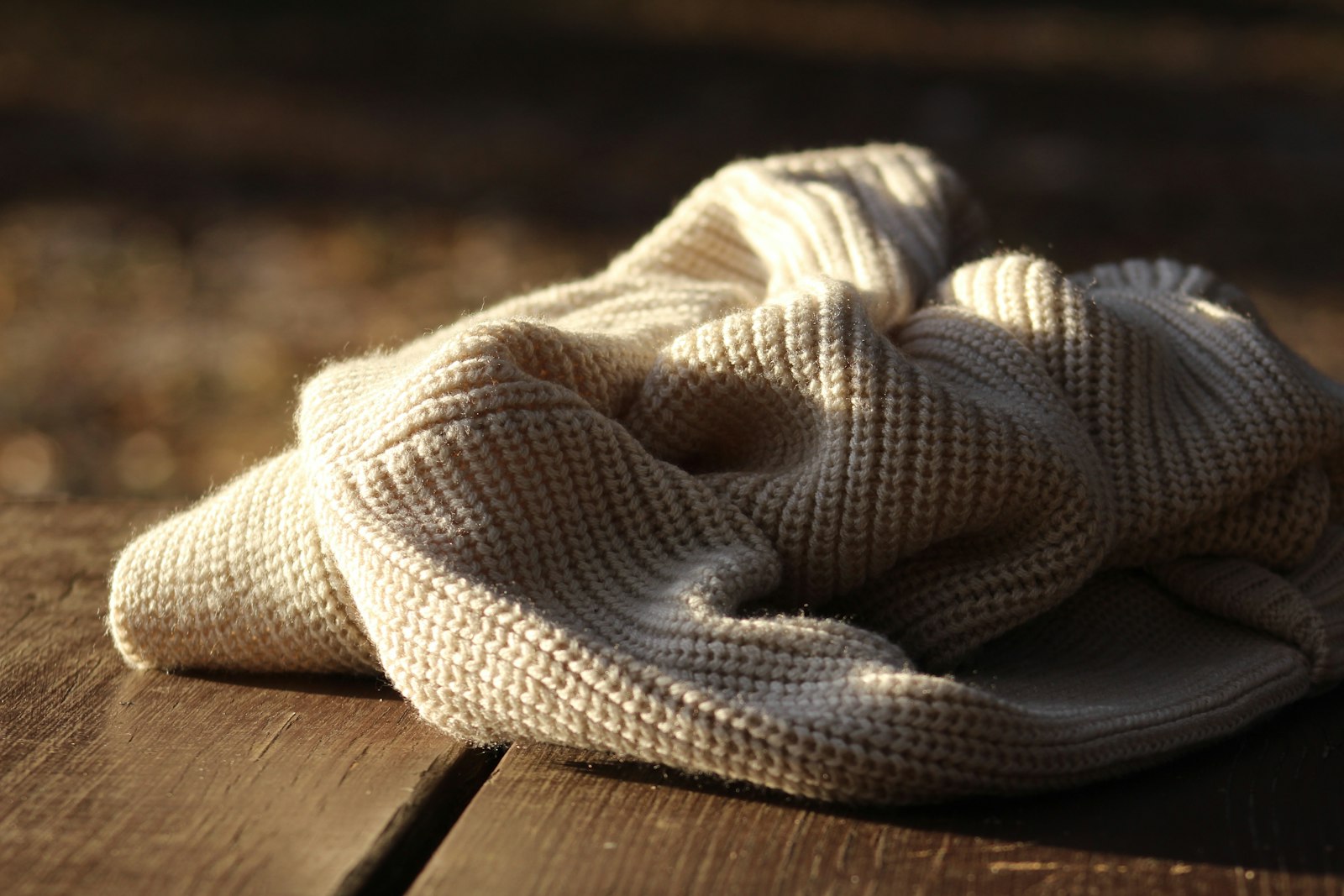
Long before the fisherman sweater became shorthand for a certain kind of off-duty, coastal good taste, it was simply workwear — thick, densely knitted wool built by the wives and mothers of fishermen along the north Atlantic coast to keep working men warm and, according to enduring local tradition, dry enough to survive a genuine soaking at sea. That practical origin is still visible in every well-made version sold today, and it is precisely what separates a real fisherman sweater from the thinner, decorative imitations that borrow its patterns without any of its substance. Understanding that history changes how the garment is worn today, treated less as a costume-like nod to coastal life and more as the genuinely hard-working piece it was always meant to be.
The Functional Origins Worth Knowing
The classic fisherman sweater, most closely associated with Ireland’s Aran Islands and the fishing communities of the wider British Isles, was knitted from unscoured wool that retained much of its natural lanolin — a practical choice that gave the finished garment real water resistance long before technical fabrics existed. The dense cable and honeycomb stitch patterns so associated with the style were not purely decorative either; the tight knit structure they require trapped considerably more warmth than a plain stitch of the same weight, a genuine advantage on a boat exposed to open water and constant wind. Local tradition also holds that different stitch patterns once identified specific families or villages, though how much of that is documented fact versus a good story told to tourists is genuinely difficult to untangle at this distance.
What Makes a Genuinely Good One
A handful of details separate a proper fisherman sweater from a thinner, purely decorative version:
- Substantial wool weight, dense enough that the sweater holds its shape and genuine warmth rather than draping limply
- Traditional stitch patterns — cable, honeycomb, moss — executed with real depth and definition rather than a flat, printed approximation
- A slightly roomy, traditional fit, closer to the original workwear silhouette than a modern slim-fit reinterpretation
- Undyed or naturally toned wool where possible, which ages considerably better than a heavily processed, brightly dyed alternative
- Ribbed cuffs and hem with genuine elasticity retained after washing, a detail that separates a garment built to last from one that loses its shape within a single season
Buyers assembling a considered knitwear rotation more broadly will find our guide to the knitwear worth investing in a useful companion, since the fisherman sweater is one of relatively few pieces worth genuinely prioritising within it.
Why It Has Endured Beyond Fashion Cycles
Most workwear-derived garments eventually get absorbed into fashion, stripped of function, and cycled back out again within a decade. The fisherman sweater has largely escaped that fate, remaining a genuine wardrobe staple across generations rather than a periodic trend revival, precisely because the functional case for it never actually went away — it is still, simply, an extremely good cold-weather sweater, regardless of whatever else happens to be fashionable in a given season. It shares that particular staying power with the country-jacket tradition covered in our piece on tweed and country jackets, another category of clothing that survives fashion cycles by actually working.
“Fashion rediscovers it every few years and calls it something new,” one Donegal knitwear producer told us. “We’ve just been calling it a jumper the whole time.”
Caring for a Genuinely Heavy Knit
A sweater of this weight and construction rewards more careful handling than an ordinary machine-washable jumper. Hand-washing in cool water with a wool-specific detergent, followed by drying flat rather than hanging, prevents the garment from stretching under its own considerable weight, a common way a good fisherman sweater loses its original shape within a single season of careless laundering. Cedar blocks in storage deter moths, a genuine risk with any undyed natural wool, and an occasional gentle brushing keeps the surface fibres from matting down into a dense felt over years of wear, preserving the texture that makes the garment worth owning in the first place.
Styling It for Modern Wear
Away from its original working context, the fisherman sweater slots naturally into weekend dressing — over a collared shirt for a slightly more considered look, or on its own with heavy trousers and boots for something closer to its original purpose. It resists over-styling; the texture and weight of the knit are doing enough visual work on their own that the rest of an outfit is better kept simple. This makes it a natural fit for the kind of relaxed but considered dressing covered in our piece on the weekend wardrobe, elevated, and a strong argument for including at least one properly made version in any wardrobe built with the long term in mind, a principle explored further in our guide to choosing the right wardrobe system.
Variations Worth Knowing
Not every fisherman sweater follows the same pattern, and the regional variations are worth understanding before assuming one style represents the whole tradition. Guernsey and jersey sweaters, from the Channel Islands, favour a tighter, flatter knit than the Aran’s dramatic cabling, prioritising wind resistance over decorative texture, and were traditionally knitted seamlessly in the round to eliminate weak points at the seams. Scottish and Scandinavian fishing communities developed their own variations too, often incorporating colourwork patterns entirely absent from the Irish tradition. Knowing these distinctions helps a buyer choose deliberately rather than assuming all heavy cream knitwear from the region is interchangeable, when in fact each tradition solved slightly different problems for slightly different working conditions at sea.
A Genuinely Enduring Piece
Few garments manage to remain simultaneously practical, historically grounded and stylish across decades of shifting fashion, but the fisherman sweater has done exactly that, largely by never really trying to be fashionable in the first place. Bought well and worn often, it is one of the rare pieces likely to outlast whatever replaces it in a wardrobe. Further knitwear and wardrobe guidance can be found throughout our Style & Watches section.
Daniel has spent fifteen years arguing that the best watch is the one you never take off.


