The Best Everyday Rugby Shirts
The rugby shirt's sporting reputation undersells it: properly made, it is a genuinely durable, versatile piece of clothing far beyond the touchline.
 By Daniel Koh
30 August 2026 · 6 min read
By Daniel Koh
30 August 2026 · 6 min read
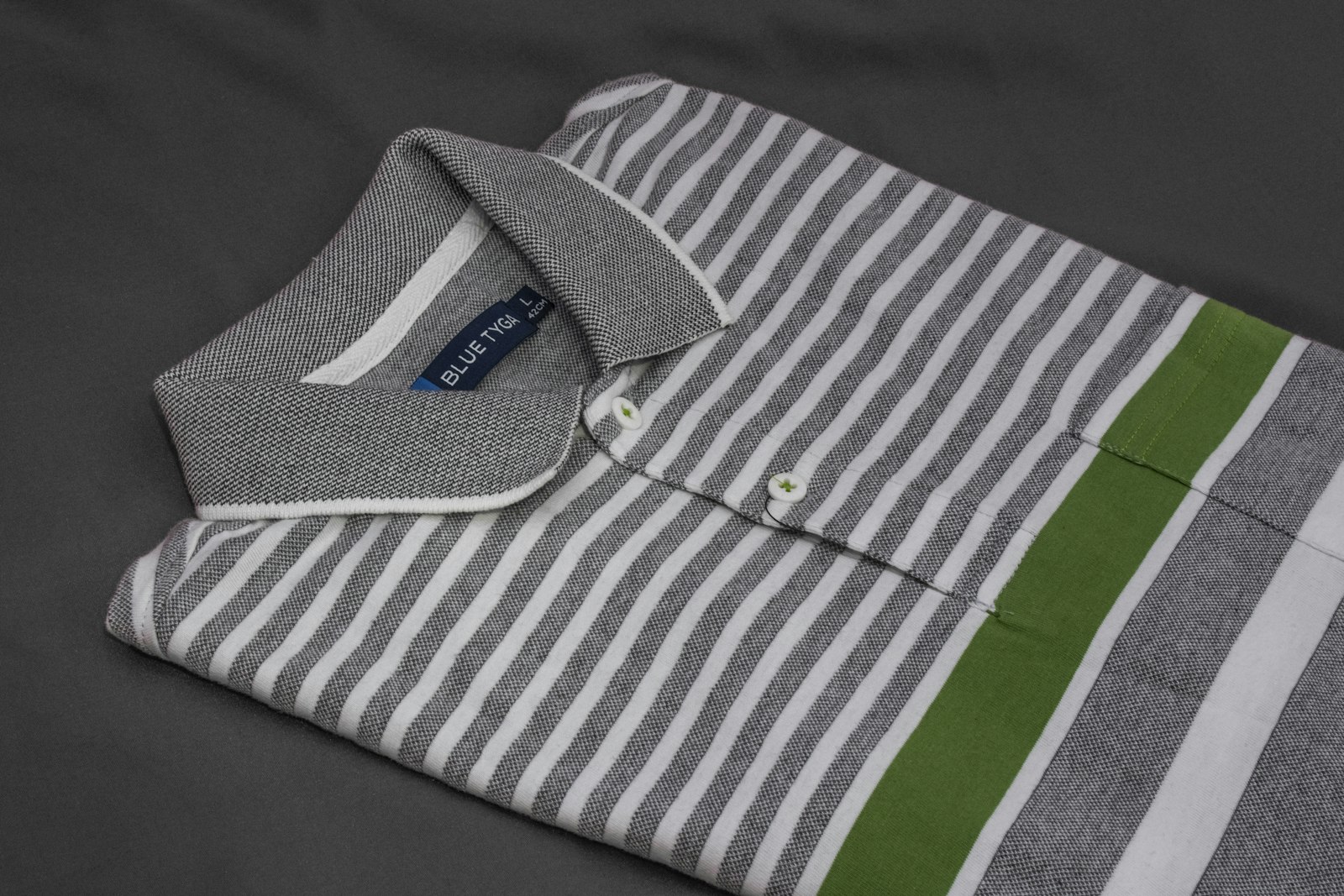
The rugby shirt has spent decades being typecast — sportswear on the pitch, prep-school signifier off it, rarely considered on its own considerable merits as a genuinely useful piece of everyday clothing. That reputation undersells it badly. Properly made, in a good weight of cotton with a substantial collar and reinforced construction built to survive actual contact sport, the rugby shirt is one of the more durable, versatile pieces a considered wardrobe can hold — and one that has quietly earned a second look well beyond the touchline.
What Makes a Rugby Shirt Different From a Polo
The two garments share obvious DNA — a collar, a placket, short or long sleeves — but the construction diverges meaningfully. A proper rugby shirt uses a heavier, more substantial cotton jersey or pique than a standard polo, built originally to withstand the kind of pulling and tackling a polo shirt was never designed for. The collar sits higher and stiffer, often reinforced, and the placket typically runs shorter with sturdier buttons set further down the chest. The result is a shirt with genuinely more structure and presence than a polo, which reads as considerably more casual and considerably less durable by comparison — a distinction worth understanding before assuming the two are interchangeable, a point our piece on the polo shirt, perfected covers from the other direction.
Choosing a Good One
A handful of details separate a rugby shirt worth owning from a cheaply made imitation:
- A genuinely heavy cotton jersey, with real weight and structure rather than a thin, stretchy imitation
- A proper reinforced collar that holds its shape after repeated washing
- Flat-felled or double-stitched seams at the shoulder and side, the points that take the most strain during actual play and the first to fail on a cheaper garment
- Contrast panelling or stripes kept restrained rather than shouting the garment’s sporting origins too loudly
- A fit that sits close enough to layer under a jacket, rather than the boxy, oversized cut some heritage brands still default to
Bought well, a rugby shirt should outlast several seasons of considerably more expensive knitwear, simply by virtue of how it was originally engineered to be worn, and how little it asks of the wearer in return for that durability.
Styling It Beyond the Pitch
The rugby shirt’s real trick, worn away from sport entirely, is how naturally it slots into smart-casual dressing. Under a navy blazer, in place of a shirt and tie, it reads as an easy, slightly unexpected piece of tailoring-adjacent dressing rather than sportswear worn out of context. On its own with chinos or dark denim, it carries enough structure to avoid looking like off-duty gym kit, unlike a plain T-shirt attempting the same job. This particular trick — sporting-origin pieces reworked into genuinely smart-casual dressing — is a theme we return to often, including in our broader notes on how to wear tailoring casually.
“It’s one of the few pieces that looks equally right with a blazer or with nothing at all over it,” one menswear buyer told us. “Most sportswear can’t do both.”
Colour and Pattern Choices Worth Considering
Traditional rugby shirt colourways lean toward bold, contrasting hoops or broad panelled blocks, a legacy of needing team colours visible at speed across a muddy pitch. For everyday wear, a more restrained palette tends to integrate more easily into a considered wardrobe — muted tonal stripes, a single contrast collar against a solid body, or a deep, sober colour with minimal patterning all wear considerably more easily across different contexts than a shirt clearly designed to be spotted from the stands. This is not to say a bolder option has no place; it simply demands a more deliberate hand elsewhere in the outfit to avoid the whole look reading as costume rather than considered dressing.
A Brief History Worth Knowing
The rugby shirt’s origins trace back to English public schools and clubs in the nineteenth century, where a heavier cotton was chosen specifically for its ability to survive the sport’s rough handling without tearing at the collar or sleeve seams. The long sleeves and buttoned collar, unusual for sportswear of the period, were partly a matter of modesty and partly practical, keeping grass and mud somewhat contained during play. That history is worth knowing not as trivia but as context for why the garment still feels more substantial than most casual shirting on the market today; it was never designed to be disposable, and the better modern versions still honour that original brief. For a softer, collarless cousin with a buttoned placket, our guide to the best everyday Henley shirts makes a natural companion. A softer, more textured relative in the casual shirt family is considered in our guide to the best everyday corduroy shirts.
Sizing and Fit Notes
Because a rugby shirt was originally designed to be worn over shoulder padding and layered underneath a substantial amount of movement, vintage-inspired cuts can run generously large compared with a standard fitted polo. This is worth accounting for when buying, particularly if the intention is to wear the shirt under a blazer, where excess bulk at the shoulder and chest will show. Trying a size down from the label’s suggested fit is often the right call for anyone building the shirt into smart-casual rotation rather than wearing it purely for its original sporting purpose, though the collar itself should never be sized down, since a collar that sits too tight quickly becomes uncomfortable over a full day’s wear.
Building It Into a Wider Rotation
A well-chosen rugby shirt earns its place as one of the harder-working pieces in a considered wardrobe, precisely the kind of item worth prioritising in our guide to building a ten-piece capsule wardrobe — durable, versatile across dressier and more casual contexts, and unlikely to date the way more fashion-forward pieces often do. It also sits comfortably within the broader spirit of the weekend wardrobe, elevated, offering more structure and presence than the usual weekend uniform of T-shirt and joggers without tipping into anything that reads as trying too hard. Dismissing it as sportswear alone misses what makes it genuinely useful, and treated as a considered wardrobe piece rather than a nostalgic throwback, it earns a place well beyond the changing room. Further wardrobe thinking along these lines can be found throughout our Style & Watches section.
Daniel has spent fifteen years arguing that the best watch is the one you never take off.