
The Knitwear Worth Investing In
Good knitwear gets better with age; poor knitwear falls apart by its second winter. Here's how to tell the difference before you buy, not after.
 By Daniel Koh
29 August 2026 · 6 min read
By Daniel Koh
29 August 2026 · 6 min read
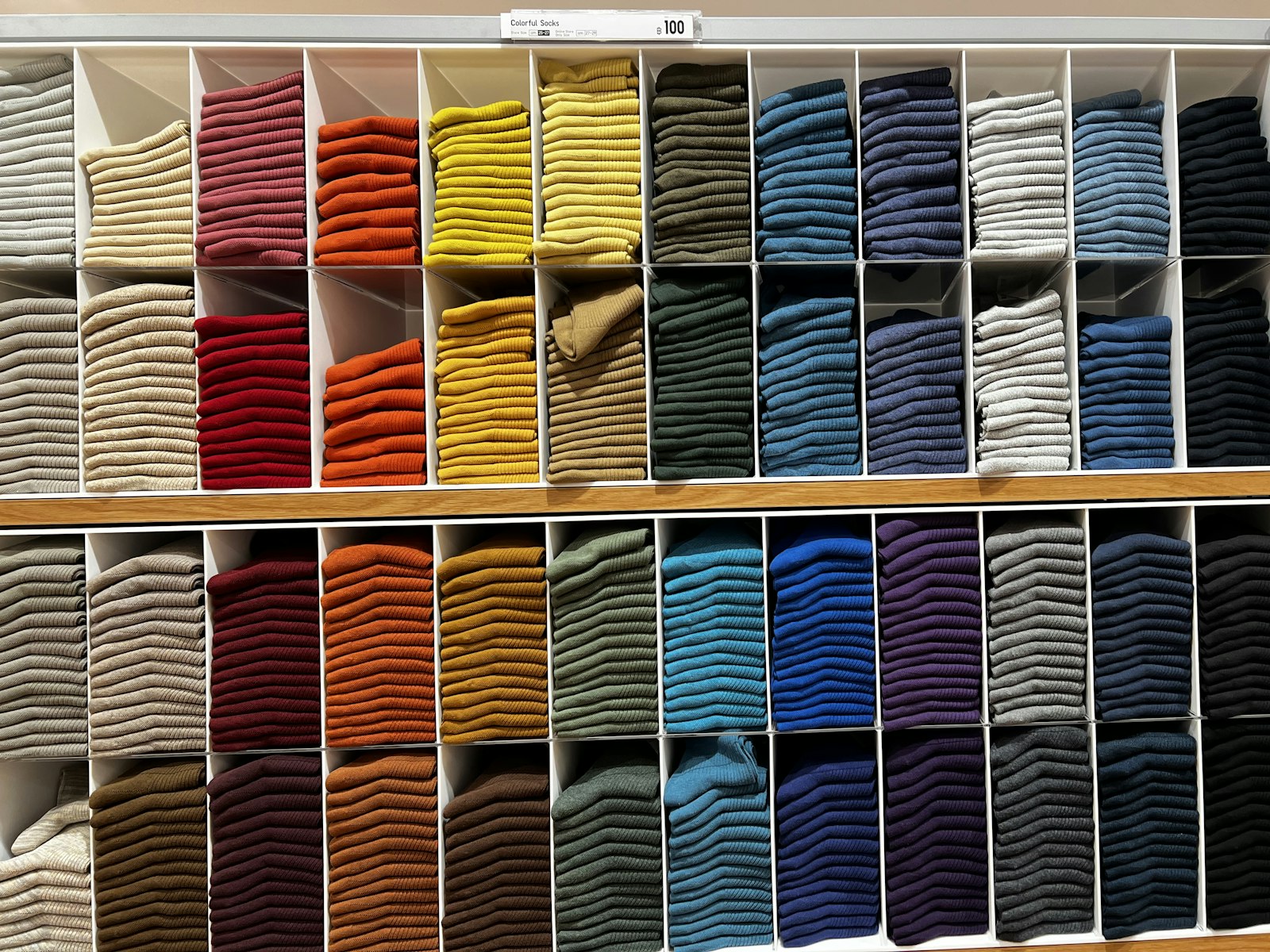
Knitwear occupies an odd position in most men’s wardrobes: worn constantly through cooler months, yet rarely bought with the same care applied to tailoring or footwear. It’s an easy category to underinvest in, partly because a mediocre jumper and a genuinely good one can look similar hanging on a rail, with the real differences only becoming apparent after several washes and a full season of actual wear. By then, the mediocre one has usually pilled, stretched at the cuffs, or lost its shape entirely — while a well-made equivalent is only just beginning to soften into its best form.
Understanding what separates the two categories before buying, rather than discovering the difference the hard way, is worth the modest extra effort. It changes knitwear from a seasonal, semi-disposable purchase into one of the more durable, cost-effective categories in a considered wardrobe.
Fibre matters more than almost anything else
The single biggest determinant of a knit’s longevity and feel is fibre quality, and it’s worth understanding the hierarchy before shopping. Merino wool, particularly finer gauges, offers an excellent balance of softness, breathability and durability for most everyday knitwear, and tends to be considerably more resistant to pilling than cheaper wool blends. Cashmere sits above merino in both softness and price, but quality varies enormously within the category — a lower grade of cashmere, often blended with cheaper fibres to reduce cost, can actually pill and wear worse than a genuinely good merino, despite the more prestigious name. For a full breakdown of what actually determines cashmere quality and how to evaluate it before buying, see cashmere: how to buy it, how to keep it.
Beyond wool and cashmere, it’s worth being wary of synthetic-heavy blends marketed as budget alternatives. A small percentage of synthetic fibre, added for structural reasons, isn’t necessarily a problem — but a jumper that’s majority acrylic or polyester will rarely develop the same drape, warmth or longevity as one built predominantly from natural fibre, regardless of how convincing it looks on a hanger.
Construction details worth checking
Gauge — the density of the knit — affects both how a piece drapes and how durable it will prove over time. A finer gauge generally reads as more refined and versatile, working well under a jacket, while a chunkier gauge leans more casual and tends to be warmer for the same fibre weight. Neither is objectively better; the right choice depends on how the piece will actually be worn.
It’s also worth examining the seams and ribbing before buying. Fully fashioned construction, in which panels are knitted to shape rather than cut from a larger piece of fabric and sewn together, produces a cleaner silhouette and reduces bulk at the seams — a detail immediately visible on close inspection, and one that separates genuinely well-made knitwear from mass-produced equivalents. Ribbing at the cuffs and hem should have real elasticity and snap back into shape after being stretched; ribbing that stays loose after a gentle pull is an early warning sign of poor recovery and future stretching at the wrists and waist.
Colour and versatility
Building a knitwear rotation around a handful of genuinely versatile, neutral tones — navy, grey, camel, a deep bottle green — will get considerably more wear than the same budget spent on trend colours that date within a season or two. This is the same underlying logic behind a broader capsule approach to dressing; see building a ten-piece capsule wardrobe for more on choosing pieces that work together rather than in isolation.
“I used to buy a new jumper every winter because the old ones always looked tired by spring. The first proper merino I bought is five winters old now and still looks better than jumpers I bought twice as recently at a fraction of the price,” said one Singapore-based collector who now travels regularly to cooler climates.
Layering it properly
Good knitwear earns its keep partly through how well it layers, and a piece cut with slightly generous proportions through the body — without looking oversized — tends to layer far more successfully under a coat or jacket than a closely fitted alternative. It’s worth trying a shortlisted jumper on over the kind of shirt or base layer you’ll actually pair it with, rather than judging fit in isolation. For a broader look at building outfits that work well across layers rather than as single pieces, see the quiet art of layering.
Care that actually preserves the investment
Even excellent knitwear needs proper care to last. Hand-washing or a gentle wool-cycle machine wash, followed by drying flat rather than hanging — which causes wool to stretch permanently under its own weight — will do more to preserve a good jumper’s shape than almost any other single habit. Cedar blocks or lavender sachets in storage help deter moths, a genuine risk for natural fibres stored through warmer months, and folding rather than hanging knitwear in the wardrobe prevents the shoulder-stretching that ruins even well-made pieces over time.
What good knitwear actually costs, and why
It’s worth being honest about price when discussing investment knitwear, since the gap between a mass-produced jumper and a genuinely well-made equivalent can be considerable. That gap is mostly explained by three factors: raw material cost, since better fibre simply costs more to source; labour, since fully fashioned construction and hand-finished details take considerably longer to produce than fully machine-cut alternatives; and volume, since smaller, more considered manufacturers producing in smaller runs inevitably carry higher per-unit costs than mass producers. None of this means every expensive jumper is automatically well made, or every affordable one poorly made — but understanding where the cost actually comes from helps make sense of the wide price range on the market, and makes it easier to spot when a premium price isn’t reflecting genuine quality.
Weekend and off-duty dressing is where good knitwear tends to earn its keep most visibly, carrying an outfit on its own rather than sitting beneath a jacket. For more on building out this part of the wardrobe specifically, see the weekend wardrobe, elevated, which covers how knitwear and its companion pieces work together outside a formal context.
Knitwear bought this way, with real attention to fibre and construction, stops being a seasonal purchase and becomes something closer to a permanent fixture in the wardrobe — worn for a decade rather than replaced every winter. For more on building a considered wardrobe, see our Style & Watches section.
Daniel has spent fifteen years arguing that the best watch is the one you never take off.


