Cashmere: How to Buy It, How to Keep It
Cashmere pills, softens and eventually feels like nothing else you own — but only if you buy the right grade and treat it properly from the first wear.
 By Daniel Koh
29 August 2026 · 6 min read
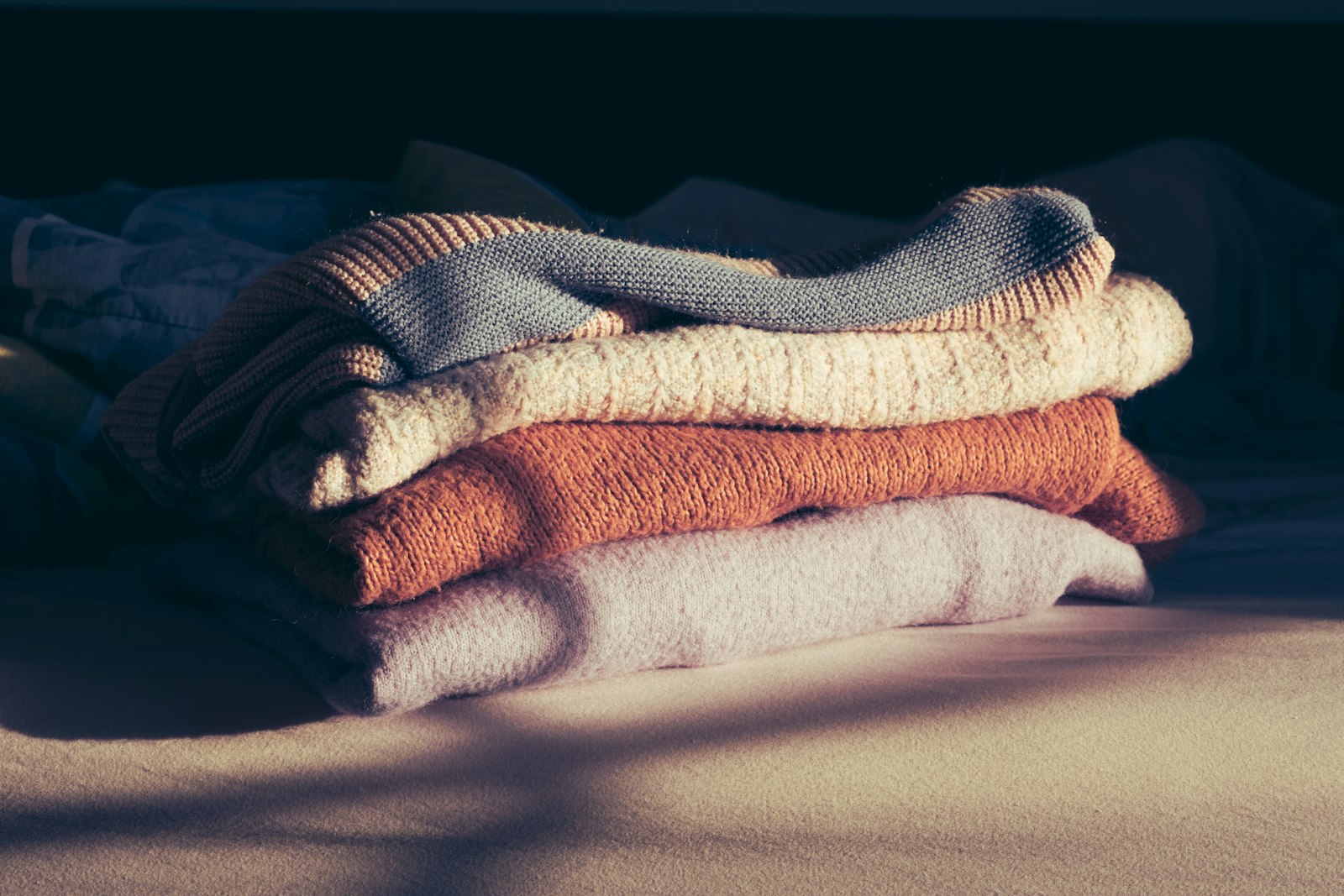
Cashmere has an unusual problem: it is sold almost entirely on softness, which is the one quality nearly impossible to judge honestly in a shop under fluorescent lighting with warm hands. Every jumper on a rail feels soft in the first ten seconds. What separates a cashmere garment that still looks and feels good after five winters from one that has pilled, stretched and gone bobbly by its second wash has almost nothing to do with that first handful of fabric, and everything to do with details most buyers never think to ask about — the ply, the gauge, the length of the underlying fibre, and where the goat that grew it actually lived.
Ply and gauge are not marketing terms
Ply refers to how many strands of yarn are twisted together to make the thread a garment is knitted from — a two-ply jumper is made from a thread of two twisted strands, four-ply from four, and so on. More plies generally mean a denser, more durable knit, though a well-made single-ply piece can still outperform a poorly constructed four-ply if the underlying fibre is inferior. Gauge, meanwhile, describes how tightly that thread has been knitted — a low-gauge, loosely knitted jumper feels luxuriously heavy in the shop but will stretch out of shape and pill far faster than a finer, tighter gauge that has been knitted with proper tension. The two figures work together, and a reputable retailer should be able to state both without hesitation.
Fibre length is the detail nobody mentions
The single biggest driver of cashmere quality is the length of the individual hair fibre, which is determined almost entirely by where and how the goat was raised. Longer fibres, typically from goats raised in the colder, higher-altitude regions of Mongolia and parts of China, produce yarn that pills far less because there is more fibre length available to twist securely into the thread. Shorter fibres, more common in lower grades, work loose from the yarn under everyday friction — at a coat collar, under a bag strap — which is what produces the little bobbles that make cheap cashmere look tired within weeks. No amount of soft handle in the shop reveals this; it only becomes obvious after wear, which is precisely why buying on price alone is such a common mistake, a theme our guide to the enduring appeal of made-to-measure touches on more broadly regarding buying for the long term.
Good cashmere doesn’t announce itself in the shop. It announces itself two years later, when everyone else’s jumper has gone bobbly and yours hasn’t — a Kashmiri weaver once put it to me exactly that way, over tea, and it has stayed with me since.
Reading a label properly
“100% cashmere” tells you almost nothing about quality on its own; it only confirms the fibre content, not its grade. Weight, given in grams, is a more useful proxy when comparing similar garments — a jumper that feels suspiciously light for its price is very likely knitted from shorter, lower-grade fibre stretched further to save cost. Country of origin is worth asking about directly rather than assumed from the brand’s home market, since much cashmere is grown in Mongolia or China and then spun, knitted or finished elsewhere. None of this means the most expensive option is automatically the best; it means asking specific questions rather than trusting handle alone, in the same way our piece on understanding gold, karats and care encourages buyers to ask precise questions rather than trust a label’s shine.
Questions worth asking before buying
- What ply and gauge is this knitted to, and can that be confirmed rather than assumed?
- Where was the fibre sourced, and roughly how long is the staple length used?
- What does the garment weigh, relative to similar pieces at other price points?
- Has it been treated or brushed to soften the hand artificially, masking a lower base quality?
Washing and storing it properly
Cashmere should be hand-washed in cool water with a mild, pH-neutral detergent made for wool, then laid flat to dry on a towel, reshaped by hand while still damp — never hung, which stretches the shoulders permanently out of shape, and never wrung. Dry cleaning, done occasionally rather than routinely, is fine for structured pieces but strips natural oils from the fibre over repeated use, so hand-washing at home remains the better habit for jumpers worn close to the skin. Store cashmere folded, never on a hanger, in a drawer or on a shelf with cedar rather than mothballs, and give each piece a rest of at least a day between wears so the fibres can recover their shape — the same principle of rotation and rest that our guide to caring for a luxury watch applies to mechanical pieces.
Colour, dyeing and why undyed is not always better
There is a persistent belief among some buyers that undyed, natural-coloured cashmere is automatically superior, since dyeing can weaken fibre over time if done poorly. This is only partly true. A well-run mill dyes cashmere gently, at lower temperatures and with shorter processing times than cheaper mass producers, and the resulting colour is stable for the life of the garment. What genuinely damages fibre is over-processing further down a cheap supply chain — harsh chemical softening agents used to fake a luxurious hand-feel on a lower grade of cashmere, which is precisely the shortcut that produces a jumper that feels wonderful in the shop and pills within a month. A neutral palette of navy, camel, charcoal and oatmeal tends to reward the investment longest, ageing gracefully and pairing easily with the rest of a considered wardrobe, in the same spirit as the tonal approach described in our piece on colour used with confidence.
Bought well and kept properly, a good cashmere jumper is one of the few garments that genuinely improves with age, softening further with each careful wash rather than degrading. It is worth the extra questions at the point of purchase. For more on buying pieces that last, visit Style & Watches.
Daniel has spent fifteen years arguing that the best watch is the one you never take off.