The White Shirt, Perfected
Why the white shirt is harder to get right than almost any other garment, and what to check in the fabric, collar and fit before buying one well.
 By Daniel Koh
29 August 2026 · 6 min read
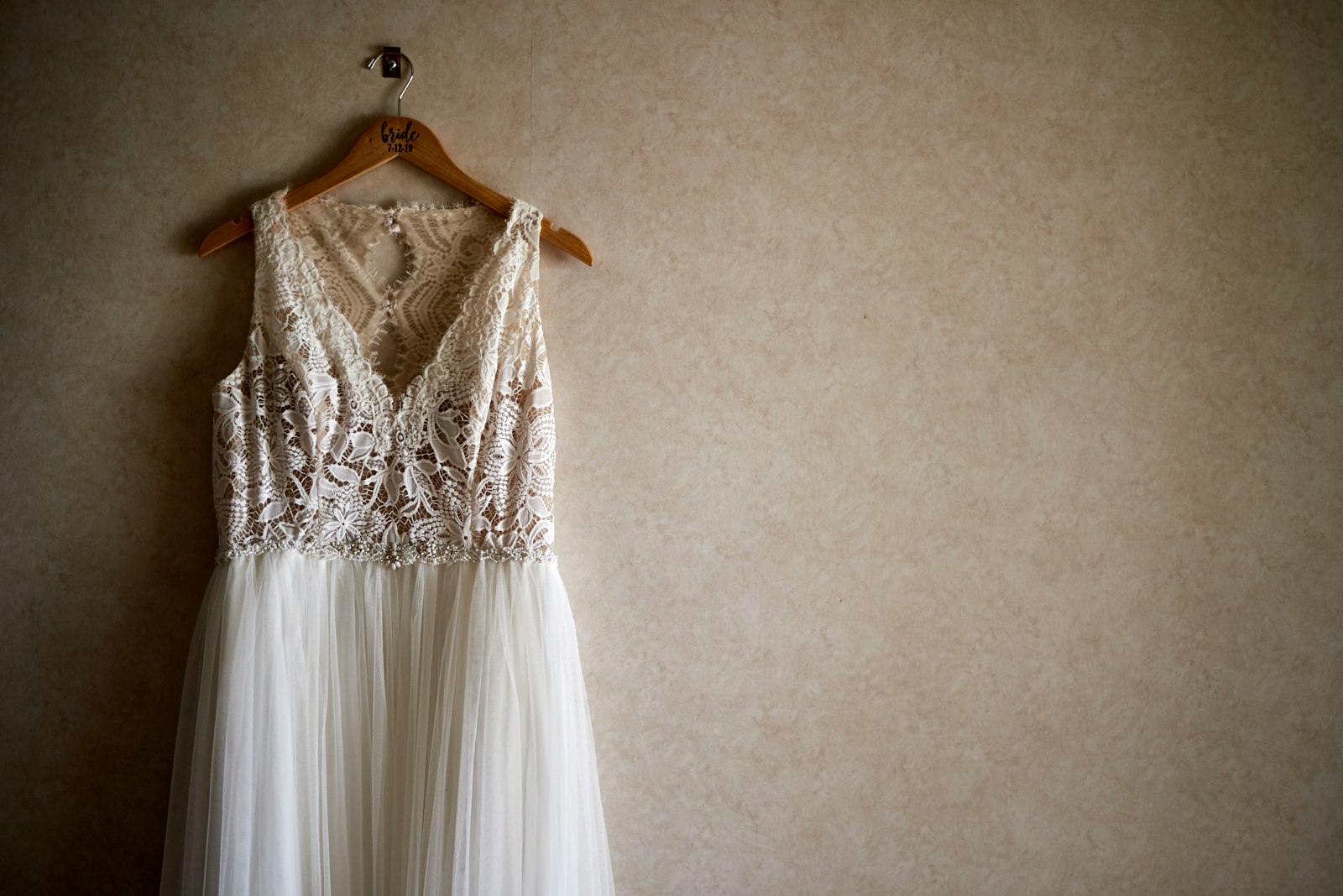
No garment in a man’s wardrobe is asked to do more, in more contexts, with less room for error than the white shirt. It has to work under a suit jacket at a board meeting and open-collared with linen trousers at a weekend lunch, survive a decade of washing without yellowing, and somehow still look considered rather than default. Most white shirts fail at least one of these tests. The ones that pass all of them are worth the search.
Why White Is Harder Than It Looks
A coloured or patterned shirt hides a multitude of sins — slightly uneven stitching, a fabric with more polyester than advertised, a collar that doesn’t quite sit right. White hides nothing. Every construction flaw, every thread pull, every trace of a cheap finishing process shows up starkly against a plain white ground, which is exactly why the search for the best white shirt men can actually rely on tends to be more demanding, garment for garment, than almost any other category in the wardrobe.
Fabric: Where Most of the Money Goes
The single biggest determinant of a shirt’s quality is the cloth itself, and specifically the cotton’s staple length — the longer the individual fibre, the finer and stronger the resulting yarn, and the smoother and more durable the finished fabric. Long-staple cottons, particularly the Egyptian and Sea Island varieties prized by better shirtmakers, produce a fabric with a subtle sheen and a drape that cheaper, shorter-staple cotton simply cannot replicate no matter how the weave is finished. Thread count matters less than shirt marketing suggests; a well-woven, properly finished 100 to 140 count fabric will outperform a poorly made 200 count fabric every time.
What to Check Before Buying
- Weave type: a fine poplin for a crisp, formal finish; a twill for slightly more texture and forgiveness of wrinkles; oxford cloth for a more casual, weekend-appropriate white shirt.
- Weight: a lightweight fabric drapes beautifully but shows more through, including undershirts and skin tone — a genuinely quality white shirt strikes a balance that stays opaque without turning stiff.
- Finishing: run a hand across the inside seams — properly finished shirts have flat-felled or French seams with no raw edges, a reliable proxy for overall construction quality.
Fit Above All Else
No fabric quality compensates for a poor fit, and the white shirt punishes fit errors more visibly than almost any other garment — a collar gaping at the neck or shoulders straining at the seam reads immediately against plain white cloth. This is the same principle explored at length in Why Fit Beats Everything Else: a modest shirt that fits perfectly will always outperform an expensive one that doesn’t. The shoulder seam should sit exactly at the shoulder bone, the collar should allow two fingers comfortably between fabric and neck, and the body should follow the torso’s shape without pulling at the buttons or ballooning at the waist.
For men whose proportions fall consistently between standard sizes, made-to-measure has become considerably more accessible in recent years, and the case for it — covered in The Enduring Appeal of Made-to-Measure — is nowhere stronger than with a garment this unforgiving.
Collar and Cuff: The Details That Signal Quality
A collar that has been properly interfaced holds its shape through a full day and multiple washes without going soft or curling at the points. Cheaper shirts skimp here, using minimal or fused interfacing that degrades within a year of regular wear. Mother-of-pearl buttons, sewn with a shank rather than flat against the fabric, are a small but reliable marker of a shirtmaker’s attention to detail — a detail invisible until you compare it directly against a shirt with plastic buttons sewn flush to the surface.
Caring for the Investment
A genuinely good white shirt deserves better laundering than the average wash cycle allows. Cold or lukewarm water preserves the fabric’s fibres far better than hot, and air-drying rather than tumble-drying prevents the shrinkage and fibre breakdown that eventually turns a crisp shirt limp. For shirts worn under a jacket regularly, professional laundering with proper starch and pressing extends the collar’s structural life considerably, though it’s worth doing this sparingly — the process is harder on fabric than most people assume. A shirt worth this kind of care deserves protection from the weather too, which is part of the case for a great umbrella.
“You can tell a man’s whole wardrobe philosophy from his white shirt,” one Savile Row-trained tailor observed. “It’s the one piece with nowhere to hide.”
How Many Is Enough
For a shirt worn this often, quantity matters almost as much as quality. Rotating between at least three or four white shirts, rather than relying on a single one worn and laundered continuously, extends each individual shirt’s lifespan considerably, since fabric fibres benefit from a rest period between washes to recover their shape. This also spreads the wear evenly across the collars and cuffs, the two points that fail first on any dress shirt, meaning the whole rotation ages together rather than one shirt reaching the end of its life while the others remain nearly new.
A reasonable starting collection includes one crisp poplin for the most formal occasions, one slightly heavier twill for regular office wear, and one oxford-weight shirt for weekends — three distinct weights and finishes covering the full range of contexts a white shirt is actually asked to handle, rather than three identical shirts bought purely as backups. Replacing shirts on a rotation, rather than waiting until one visibly fails, keeps the whole collection looking consistently sharp rather than mismatched between one crisp newer shirt and two visibly tired ones.
Building Around It
A properly chosen white shirt is arguably the single hardest-working item in a ten-piece capsule wardrobe, pulling equal duty in formal and casual contexts with nothing more than a change of trouser or the removal of a tie. Buy fewer, better versions rather than a drawer full of mediocre ones, and treat it — as with everything covered across Style & Watches — as an investment in quiet, durable quality rather than a commodity purchase renewed every season.
Daniel has spent fifteen years arguing that the best watch is the one you never take off.