The Loafers Worth Resoling for Life
Why a properly constructed loafer can be resoled for decades rather than replaced, and how to read the construction before committing to a pair.
 By Daniel Koh
29 August 2026 · 5 min read
By Daniel Koh
29 August 2026 · 5 min read
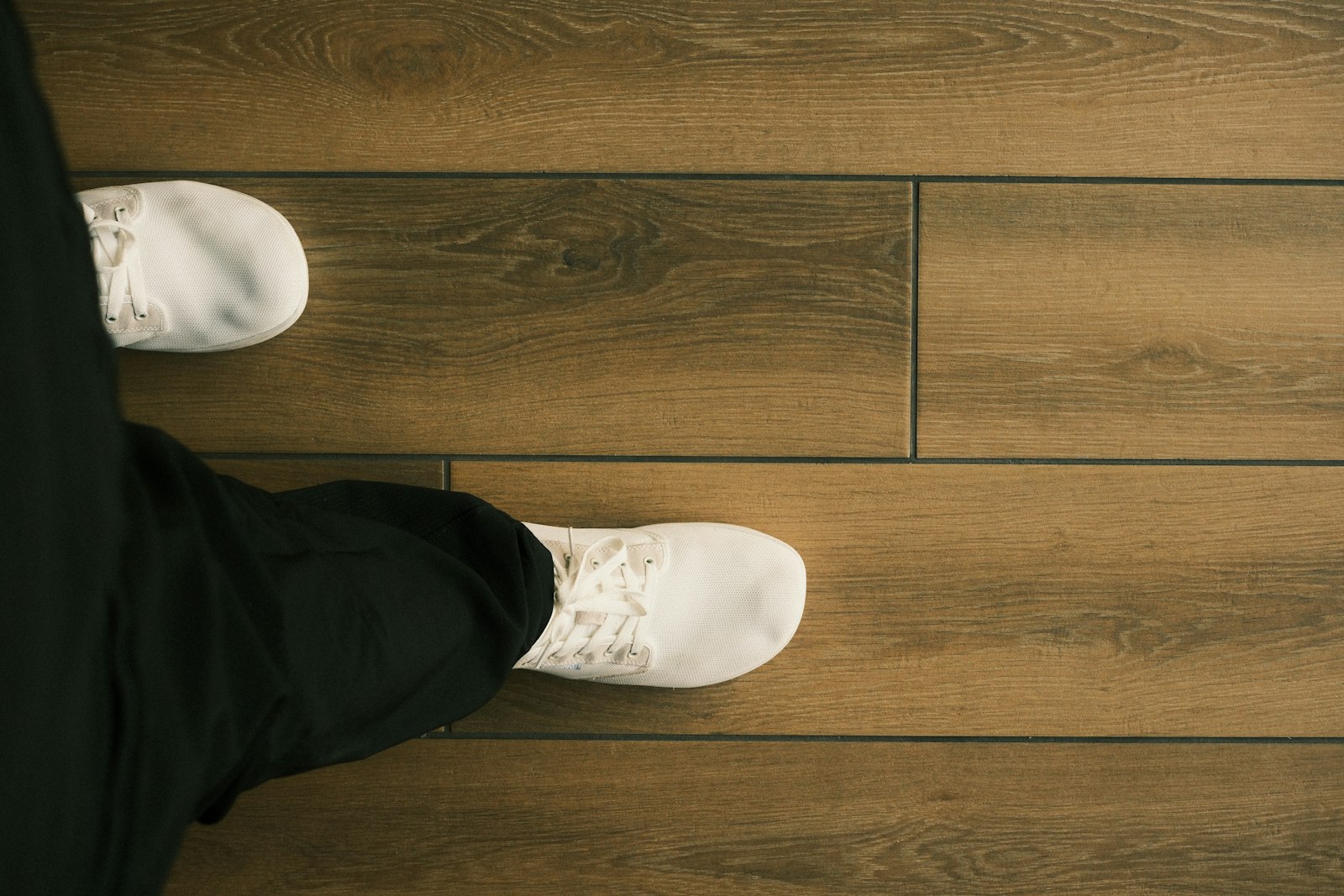
A good pair of loafers should outlast several changes in fashion, several house moves, and quite possibly the person who bought them, provided the initial investment was made in a shoe built to be resoled rather than replaced. This is the fundamental divide in the category: shoes constructed for a single life span, and shoes constructed to be rebuilt, sometimes more than once, over decades of wear.
What “Resoleable” Actually Means
The distinction comes down to construction method, not price point alone, though the two are usually correlated. A shoe built with a Goodyear-welted or Blake-stitched sole can have that sole removed and replaced entirely once it wears through, without disturbing the upper — the part of the shoe that develops character and patina over years of wear and is genuinely difficult to replicate once discarded. Cheaper cemented construction glues the sole directly to the upper, which means once it wears out, the whole shoe is generally beyond economical repair. Any serious leather loafers guide should lead with this distinction, since it determines whether a shoe is a long-term investment or a disposable purchase wearing an investment-grade price tag.
Reading a Loafer’s Construction
- Check the sole edge for a visible line of stitching running around the perimeter — a strong sign of welted construction, versus a smooth, seamless join that suggests cemented construction.
- Flex the shoe gently at the ball of the foot — a quality leather sole with proper construction has some give without feeling flimsy, while a rigid, inflexible sole often signals lower-grade material.
- Look at the leather grain on the upper — a full-grain leather, showing the hide’s natural surface rather than a corrected, sanded and reprinted grain, will age with far more character over the shoe’s life.
The Classic Silhouettes Worth Knowing
The penny loafer remains the genre’s most versatile entry point, equally comfortable with tailored trousers or raw denim, its simple strap detail doing more design work than its minimalism suggests. The tassel loafer carries slightly more formality and a distinct heritage of its own, working well in place of a lace-up in business-casual settings. The horsebit loafer, with its metal hardware across the vamp, sits at the more overtly luxurious end of the category and rewards a slightly dressier context than the other two. Any shortlist of the best loafers men should own tends to include at least one from each family, since they genuinely serve different registers rather than being interchangeable variations on a theme.
Fit: Where Loafers Differ From Every Other Shoe
Because a loafer has no laces to adjust the fit, getting the size right matters more here than with almost any other shoe category — a principle that echoes the broader argument made in Why Fit Beats Everything Else. A loafer should fit snugly through the heel with almost no slip, since the shoe relies entirely on the shape of the last to stay on the foot rather than any mechanism of adjustment. Many first-time buyers size loafers the same as their lace-up shoes and end up with a fit that’s too loose at the heel, leading to blisters and premature wear at the back of the shoe.
Breaking Them In, and Keeping Them That Way
A quality leather loafer needs a genuine break-in period, typically a few weeks of gradually longer wear, during which the leather relaxes around the specific shape of the wearer’s foot. Wearing new loafers for a full day immediately is the fastest way to blister a heel and misshape a shoe before it’s had the chance to mould properly. Once broken in, cedar shoe trees inserted after each wear help the leather dry evenly and hold its shape, extending the life of both the leather and the internal structure considerably — a habit that pairs well with the wider approach to leather care covered in Leather Goods That Age Beautifully.
“A resoled pair with fifteen years on the upper looks better than a new pair straight off the shelf,” one cobbler put it. “That’s the entire argument for buying well the first time.”
The Resoling Investment
Budget for a full resole roughly every few years with regular wear, a cost that is a fraction of buying an equivalent new pair and, done at a competent cobbler, essentially resets the shoe’s functional life while preserving the character built into the upper. This is where the genuine economics of buying well reveal themselves — the higher upfront cost of a resoleable pair is repaid many times over across a decade or more of wear, in a way that a cheaper, cemented pair simply cannot match no matter how many are bought in succession.
Colour and Material Choices
Beyond construction and silhouette, colour and leather type shift how versatile a pair of loafers actually turns out to be. A mid-brown suede offers considerable everyday versatility and a slightly more relaxed register than polished calf leather, well-suited to smart-casual settings without tipping into full formality. Black calf remains the most versatile choice for anyone needing loafers to work alongside business attire, while a darker oxblood or burgundy sits comfortably between the two, pairing well with both denim and tailored trousers. Suede demands more careful maintenance in humid or rainy climates, since water marks show more readily than on polished leather, which is worth weighing honestly against Singapore’s own weather before committing to an all-suede rotation. A suede protector spray, applied before the first wear and reapplied periodically, meaningfully reduces this risk without requiring the wearer to avoid suede altogether in a tropical climate.
Building the Wardrobe Around Them
A well-chosen loafer sits at the same register as a great overcoat — a considered, durable piece that anchors a wardrobe rather than chasing a season’s trend. Buy the best construction you can afford, size it properly, and commit to the maintenance, and a single excellent pair, chosen from the essentials covered across Style & Watches, can realistically outlast a decade of trend cycles while only getting better looking as it goes.
Daniel has spent fifteen years arguing that the best watch is the one you never take off.