The Chronograph: Worth It, or Just Complicated?
How a chronograph's stopwatch mechanism actually works, and whether the added complexity and premium are worth it for how you'll really wear it.
 By Daniel Koh
29 August 2026 · 6 min read
By Daniel Koh
29 August 2026 · 6 min read

The chronograph occupies a strange place in modern watchmaking — a stopwatch function born of genuine motorsport and aviation necessity, now worn overwhelmingly by people who will never once use it to time anything more urgent than a soft-boiled egg. That gap between original purpose and actual use is worth examining honestly before deciding whether the complication earns its place on your wrist, and its usual premium over a simpler watch.
What a Chronograph Actually Does
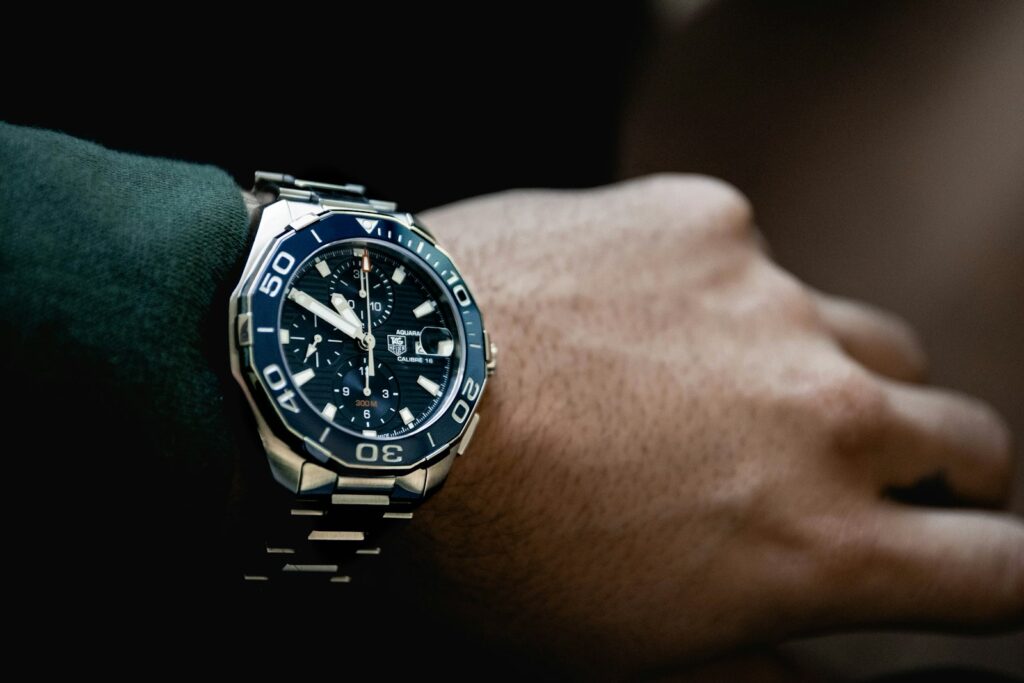
At its core, a chronograph adds a stopwatch function layered onto standard timekeeping — start, stop and reset pushers, usually flanking the crown, controlling one or more sub-dials that track elapsed seconds, minutes and sometimes hours. This chronograph watch guide exists because the mechanism, while visually straightforward, is mechanically one of the more complex things happening inside a wristwatch, requiring an additional gear train and clutch system layered on top of the base movement — which is exactly why chronographs have historically commanded a real premium over time-only watches from the same maker. One of the most demanding refinements of the form is explored in our piece on the split-seconds chronograph, where a second hand can be stopped independently.
Column-Wheel vs Cam-Lever: The Debate That Matters
Inside the case, there are two broad mechanical approaches to controlling the chronograph function, and the difference is genuinely worth understanding rather than dismissing as watch-nerd trivia. A column-wheel chronograph uses a small wheel with raised columns to coordinate the starting, stopping and resetting of the mechanism, producing a noticeably smoother, more precise pusher action; it’s more complex and expensive to manufacture, and generally regarded as the more prestigious approach. A cam-lever chronograph achieves the same function through a simpler, more robust mechanism that’s cheaper to produce and easier to service, at the cost of a slightly less refined pusher feel. Neither is strictly “better” — the choice reflects a genuine trade-off between mechanical elegance and practical robustness, not unlike the trade-offs covered across Six Complications Worth Understanding in 2026.
Reading the Dial
A chronograph dial can look intimidating with its multiple sub-dials, but the layout follows a consistent logic once you know what to look for.
- The central chronograph seconds hand is usually the longest, thinnest hand on the dial, distinct from the regular seconds hand if there is a separate one.
- Sub-dials typically track elapsed minutes and, on more complex versions, elapsed hours — letting the wearer time events lasting well beyond sixty seconds.
- A tachymeter scale, often printed around the outer edge of the dial or on the bezel, converts elapsed time over a known distance into a speed reading — a genuinely useful motorsport-derived function, if a niche one in daily life.
Is It Worth the Premium?
Here the honest answer depends entirely on use case, much as it does with the question of whether a full ISO-rated dive capability is worth paying for, addressed in The Dive Watch, Explained. A chronograph genuinely used — for timing a race, a cooking process, a commute — earns its premium through real utility. A chronograph bought purely for the dial’s visual complexity, and never once operated beyond the day it left the shop, is paying for aesthetics and mechanical prestige rather than function, which is a perfectly legitimate reason to buy one, provided the buyer is honest about what they’re actually paying for.
“Most of my chronograph clients have never once used the pushers,” one independent watchmaker admitted. “They bought the dial, not the stopwatch. That’s fine, as long as they know it.”
What Separates the Best Examples
Assembling a genuine shortlist of the best chronograph watches means looking past brand recognition to the specifics of execution: a column-wheel mechanism if smoothness of operation matters to you, sub-dials with genuinely legible proportions rather than cramped, decorative miniaturisation, and pusher action that feels precise and positive rather than mushy. Independent watchmakers, often working in smaller volumes with more attention to individual finishing, frequently produce chronographs with a level of hand-finishing and mechanical character that larger manufacturers can’t match at a comparable price point — worth exploring further in The Independent Watchmakers Worth Knowing.
Caring for a Chronograph Specifically
The additional mechanical complexity of a chronograph means it deserves slightly more careful handling than a simple time-only watch. Operating the pushers while the watch is underwater, unless the specific model is explicitly rated for it, can compromise the case’s water resistance at exactly the point where the pushers penetrate the case wall, so it’s worth checking the manufacturer’s guidance before using the stopwatch function anywhere near water. Leaving the chronograph function running continuously for extended periods, rather than resetting it after use, also places unnecessary strain on the additional gear train, gradually accelerating wear on parts that a time-only watch simply doesn’t have to begin with.
Servicing a chronograph tends to cost more than servicing an equivalent time-only watch from the same maker, reflecting the added components a watchmaker needs to disassemble, clean and reassemble correctly — a cost worth factoring into the decision alongside the purchase price itself. Choosing a watchmaker with specific, demonstrable experience servicing chronograph movements, rather than a generalist, is particularly important here, since a poorly executed chronograph service can leave the pusher action noticeably worse than before, even if the watch continues to keep accurate time. Asking directly about their experience with chronographs specifically, rather than assuming general watchmaking competence covers it, is a reasonable question any good watchmaker should welcome rather than deflect.
Making the Decision
A chronograph is neither an essential complication nor an unnecessary one — it’s a genuinely useful mechanism for the right wearer and an elegant, if largely decorative, one for everyone else, and both are legitimate reasons to own one. What matters is buying with a clear understanding of which category you fall into, and choosing the mechanical approach, dial layout and maker accordingly, rather than defaulting to whichever chronograph happens to be most visible. Weighed properly against the rest of the essentials in Style & Watches, it remains one of the most genuinely interesting complications to own, complicated or not, and one that rewards a buyer who has taken the time to understand exactly what they’re getting.
Daniel has spent fifteen years arguing that the best watch is the one you never take off.