The GMT Watch, for the Frequent Flyer
A second time zone on your wrist sounds like a gimmick until you've actually needed it. Here's what a GMT watch does, and why it's worth understanding.
 By Daniel Koh
29 August 2026 · 6 min read
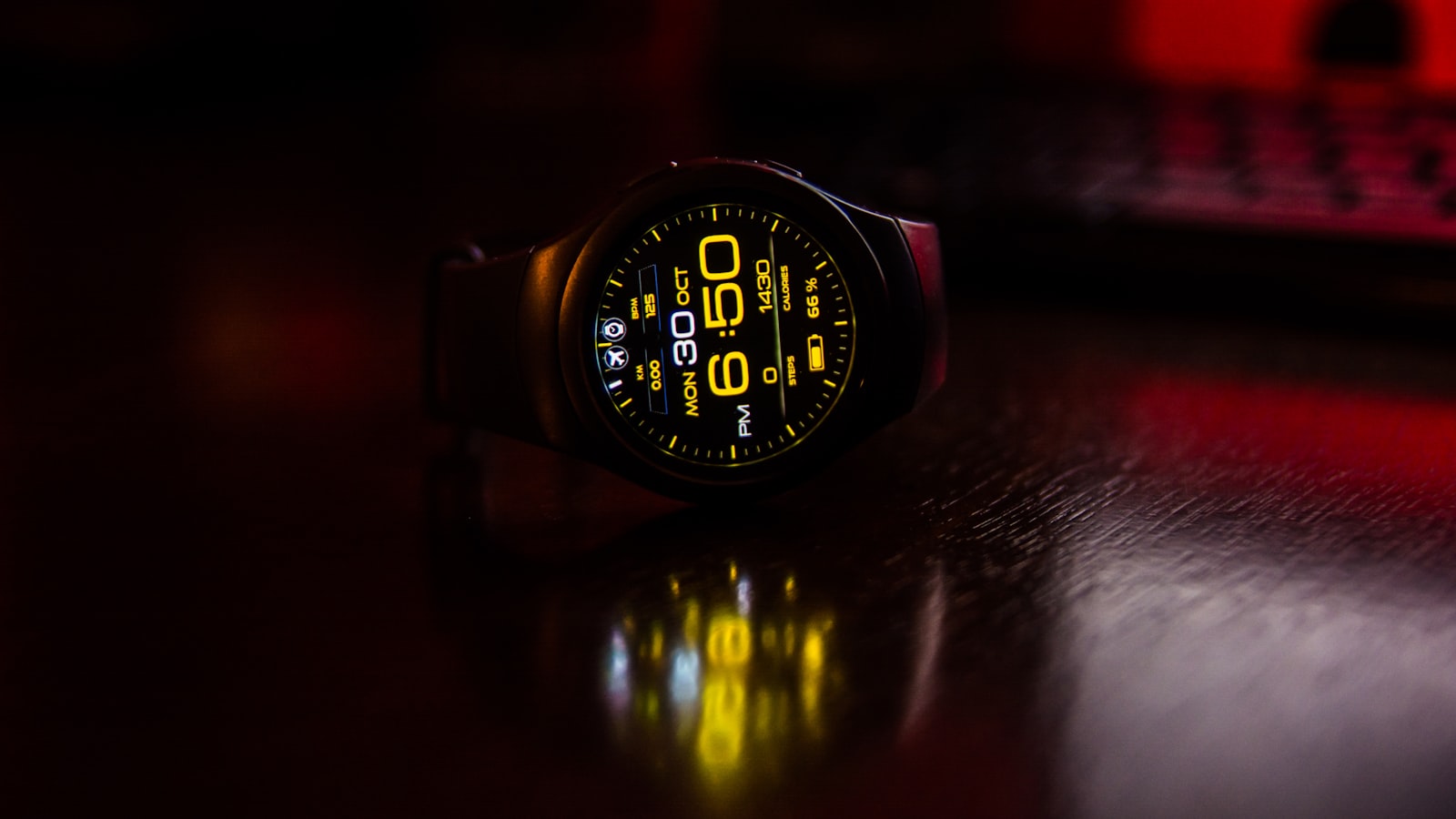
There’s a particular moment familiar to anyone who travels regularly across time zones — that split-second calculation before a call, working out whether it’s still a reasonable hour for someone on the other end. A GMT watch doesn’t eliminate that mental arithmetic entirely, but it does something surprisingly useful: it puts a second time zone permanently in view, no phone unlocking required, no app to open. For a genuinely frequent flyer, that small convenience compounds into something closer to necessity than novelty.
The complication itself is older than most people assume, developed in the mid-twentieth century for airline pilots who needed to track a home time zone while flying through several others. That utilitarian origin still shapes what makes a good GMT watch today: legibility above cleverness, a bezel that can actually be read at a glance in poor light, and a mechanism robust enough to survive the kind of travel it was built for.
How the complication actually works
At its simplest, a GMT watch adds a fourth hand — typically arrow-tipped, moving at half the speed of the regular hour hand — that completes one full rotation every twenty-four hours rather than twelve. Paired with a rotating bezel marked in twenty-four-hour increments, this hand lets you read a second time zone by aligning it against the bezel, independent of the main dial showing local time. The better executions allow the main hour hand to be adjusted independently, in one-hour jumps, without disturbing the minute hand or the GMT hand — a feature worth prioritising, since it means you can reset local time after landing without stopping the watch or losing your reference time zone entirely.
This independent-hour-hand feature, sometimes called a “true GMT” or caller function, is the detail that separates a genuinely useful travel watch from one that merely looks the part. A watch without it technically shows two time zones but makes adjusting for a new one needlessly fiddly — exactly the kind of friction a travel watch is meant to remove.
What to actually look for when buying
Beyond the independent-hour-hand mechanism, a few other details separate the genuinely useful GMT watches from the merely decorative ones. A bidirectional bezel is more practical than a unidirectional one for tracking a third time zone on the fly, though purists will note the trade-off in mechanical simplicity. Bezel material matters more than most buyers realise too — ceramic resists scratching far better than aluminium over years of regular travel wear, though it comes at a cost premium that’s worth weighing against how hard the watch will actually be used. For how it compares with the world timer and other options, see understanding watch complications for travel.
Water resistance and case durability are worth checking as well, given how much more incidental knocking a frequently worn travel watch endures compared with one reserved for occasions. This is where the GMT complication overlaps usefully with the broader case for a genuinely robust everyday piece, covered in more detail in the dive watch, explained — many of the same durability principles apply.
Movement considerations
Mechanical GMT movements vary considerably in how they handle the complication, and it’s worth understanding the difference before comparing options at very different price points. Some movements achieve the GMT function through a genuinely separate gear train; others use a simpler, less expensive module bolted onto a standard movement. Both can be perfectly reliable, but the more sophisticated versions tend to offer smoother adjustment and, often, a slightly more compelling case for long-term ownership. For a broader primer on what’s actually happening inside the case before committing to any purchase at this level, it’s worth reading understanding watch movements, a primer.
“I bought my first GMT for a specific work trip and wear it more than any other watch I own now. It’s the one piece that’s genuinely earned its keep rather than just sitting in the collection,” said one Singapore-based frequent flyer and long-time collector.
Vintage versus modern GMTs
The GMT complication has a particularly strong vintage market, given its long association with early commercial aviation. Older examples can offer real character and historical weight, but they come with the usual vintage caveats — movements that may need servicing, bezels that have faded unevenly, cases thinned by decades of polishing. A modern GMT, by contrast, offers the reassurance of a full warranty and a mechanism built to current tolerances, which matters more for a watch you intend to actually rely on than for one bought purely as a collector’s piece. Readers weighing this trade-off more broadly should see vintage vs modern: which watch to buy before deciding which approach suits their own use case.
Wearing it well, not just owning it
A GMT watch photographs nicely as a travel signifier, but its actual value only shows up in use — set to home time on a long trip, checked instinctively before a call rather than reached for as an afterthought. Worn this way, it stops being a styling choice and becomes something closer to a tool you’d genuinely miss without, which is really the entire point of the complication in the first place.
Where a GMT fits in a small watch rotation
For collectors thinking carefully about which single watch earns a permanent place on the wrist, the GMT makes a genuinely strong case for itself, precisely because it does something a plain three-hand watch cannot. It’s worth weighing against the broader argument laid out in the case for one very good watch — for anyone who travels with any regularity, a GMT complication is one of the few genuine functional upgrades over a simple time-only piece, rather than added complexity for its own sake.
That said, it isn’t the only travel-relevant complication worth knowing. World-timer watches, which display all major time zones simultaneously via a rotating city ring, solve a related but distinct problem — useful for anyone regularly juggling more than two zones at once, though usually at a size and price point that puts them in a different category from the more everyday GMT. For most frequent flyers dealing with a single home base and a rotating cast of destination cities, the simpler GMT function remains the more practical daily tool.
Setting it correctly on arrival
One small but genuinely useful habit worth building: on landing, adjust only the local hour hand forward or backward to the new time zone, leaving the GMT hand fixed on home time. This preserves the watch’s core function throughout the trip rather than treating it as a single-zone piece that happens to have an extra hand. Done consistently, it becomes second nature within a few trips, and it’s the difference between owning a GMT watch and actually using one as intended.
For more on choosing pieces built for genuine use rather than display, browse our Style & Watches section.
Daniel has spent fifteen years arguing that the best watch is the one you never take off.