The Signet Ring and Men’s Jewellery
The signet ring has outlasted most jewellery trends because it was never really a trend. Here's how to wear one, and men's jewellery more broadly, well.
 By Daniel Koh
29 August 2026 · 6 min read
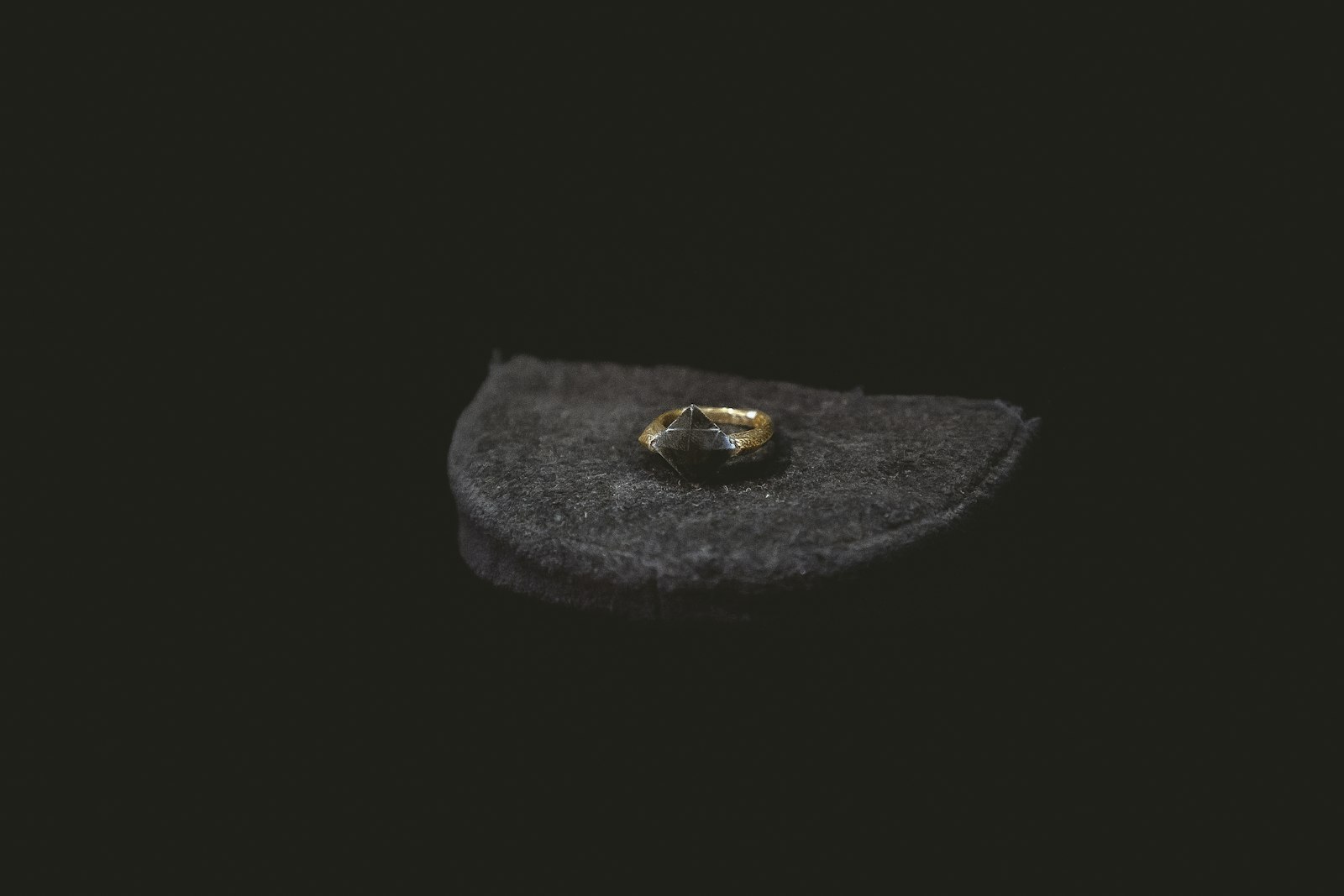
Men’s jewellery has spent the last decade shedding an old anxiety. Where a single ring or bracelet once needed to justify itself against an assumption of excess, the current instinct runs the other way — toward fewer pieces, worn with more intention, chosen for meaning or material rather than volume. Nowhere is that shift clearer than in the quiet, sustained comeback of the signet ring, a piece with genuine historical weight that has managed to feel both classic and current at once.
The signet ring’s origins are practical rather than decorative. Historically used to press a personal or family seal into wax, it was a functional object of authentication long before it was a fashion statement — a distinction that still shapes how it’s worn today. A signet ring carries a certain seriousness that newer jewellery trends can’t quite replicate, because it was never designed to be merely decorative in the first place.
Choosing a signet ring properly
Traditionally worn on the little finger of either hand, a signet ring’s face can be left blank, engraved with initials, or carry a family crest for those with a genuine claim to one. For anyone without an inherited design, a simple monogram or a plain polished face are both entirely legitimate choices — there’s no obligation to invent a crest, and doing so can read as slightly try-hard to anyone who understands the piece’s actual history.
Material choice matters considerably here. Solid gold, in yellow, rose or white, remains the traditional and most durable option, developing a soft patina over years of wear that plated alternatives simply cannot replicate. For a deeper understanding of how to choose between gold tones and what actually determines quality and value, see understanding gold: karats, colours, care before making a purchase at this level.
Fit and sizing considerations specific to signet rings
A signet ring’s flat face means it sits and wears differently from a standard band, and it’s worth being fitted specifically for the piece rather than assuming a standard ring size will translate directly. The ring should sit comfortably without spinning on the finger, since a signet ring that constantly rotates loses much of its visual purpose — historically, so it could reliably be pressed into wax the same way each time; today, so any engraving or crest faces outward consistently.
Beyond the signet ring
The broader men’s jewellery category has expanded well past rings alone in recent years, though the same principle of restraint tends to govern all of it. A simple chain, worn close to the neck rather than as a dramatic statement piece, a single well-made bracelet, or a pair of understated cufflinks for formal occasions all sit comfortably within the same considered approach that makes the signet ring work. The common thread across all of it is intentionality — each piece chosen for a specific reason, rather than jewellery worn simply because it’s expected or fashionable. The same intentional restraint governs good tailoring, as our piece on the quiet luxury of the Ring Jacket shoulder explains. For a broader view of what else belongs in that considered rotation, see our guide to everyday jewellery for men.
Where fine jewellery is concerned more broadly, quality and provenance matter more than most first-time buyers realise, and it’s worth understanding what actually separates a lasting purchase from one that won’t hold its value or appearance over time. Our guide to how to buy fine jewellery that lasts covers this in more depth, and applies just as much to men’s pieces as to the more commonly discussed women’s fine jewellery market.
“My grandfather’s signet ring didn’t fit me for years, so I had it resized rather than buying my own. Wearing it now, engraved crest and all, feels completely different from any piece I’ve bought myself — there’s a weight to it that has nothing to do with the gold,” said one Singapore collector who inherited his ring rather than commissioning one.
Inherited pieces versus new purchases
There’s a meaningful difference in how an inherited signet ring is worn compared with a newly commissioned one, and it’s worth acknowledging honestly. A family piece carries history that a new purchase simply cannot replicate, however well-chosen — but a thoughtfully commissioned new ring, engraved with genuine personal meaning rather than an invented crest, has its own legitimate place too. Neither approach is more authentic than the other; what matters is that the choice is made deliberately rather than as an unconsidered fashion purchase.
For those commissioning a new piece, it’s worth taking the time to work with a jeweller who can talk through proportion and engraving depth in detail, rather than choosing from a generic catalogue. A signet ring’s face is small, and the difference between a well-proportioned design and an over-engraved, cluttered one is more noticeable at that scale than almost anywhere else in jewellery. A single initial, cut cleanly and a little larger than instinct suggests, will generally read better than a full monogram crammed into the same small space.
Repairing and reworking heirloom pieces
For men who’ve inherited jewellery that doesn’t quite suit their taste or sizing as it stands, reworking rather than replacing is often the better option — preserving the material and sentimental value while adjusting the form to something that will actually get worn. Specialists who focus on exactly this kind of considered reworking exist across the region, and it’s worth reading more in the jewellers reworking the heirloom before assuming a piece that doesn’t fit your style needs to sit unworn in a drawer indefinitely.
Pairing jewellery with a watch, sensibly
Most men wearing a signet ring or bracelet also wear a watch, and it’s worth thinking about the two together rather than in isolation. Matching metal tones — a gold ring with a gold-cased watch, steel with steel — reads as more deliberate than mixing tones without a clear reason, though a considered mix can work well once the basics are understood. For readers building out a single serious watch purchase alongside their jewellery, it’s worth reading the case for one very good watch, since the same restraint that governs good jewellery choices applies just as directly to timepieces.
The overall principle, across rings, bracelets and watches alike, is coherence rather than matching for its own sake. A wardrobe of accessories that share a general sensibility — understated, well-made, chosen for reasons beyond simply looking expensive — reads as considered in a way that a pile of disconnected, individually impressive pieces never quite manages.
Men’s jewellery, done well, isn’t about accumulating pieces — it’s about choosing the handful that carry real meaning or exceptional craft, and wearing them consistently enough that they become part of how you’re actually recognised. For more on considered accessories, see our Style & Watches section.
Daniel has spent fifteen years arguing that the best watch is the one you never take off.