
The Best Tweed and Country Jackets
Tweed has quietly moved from country estate to city street. A guide to the regional weaves worth knowing, and how to wear one well anywhere.
 By Daniel Koh
30 August 2026 · 6 min read
By Daniel Koh
30 August 2026 · 6 min read
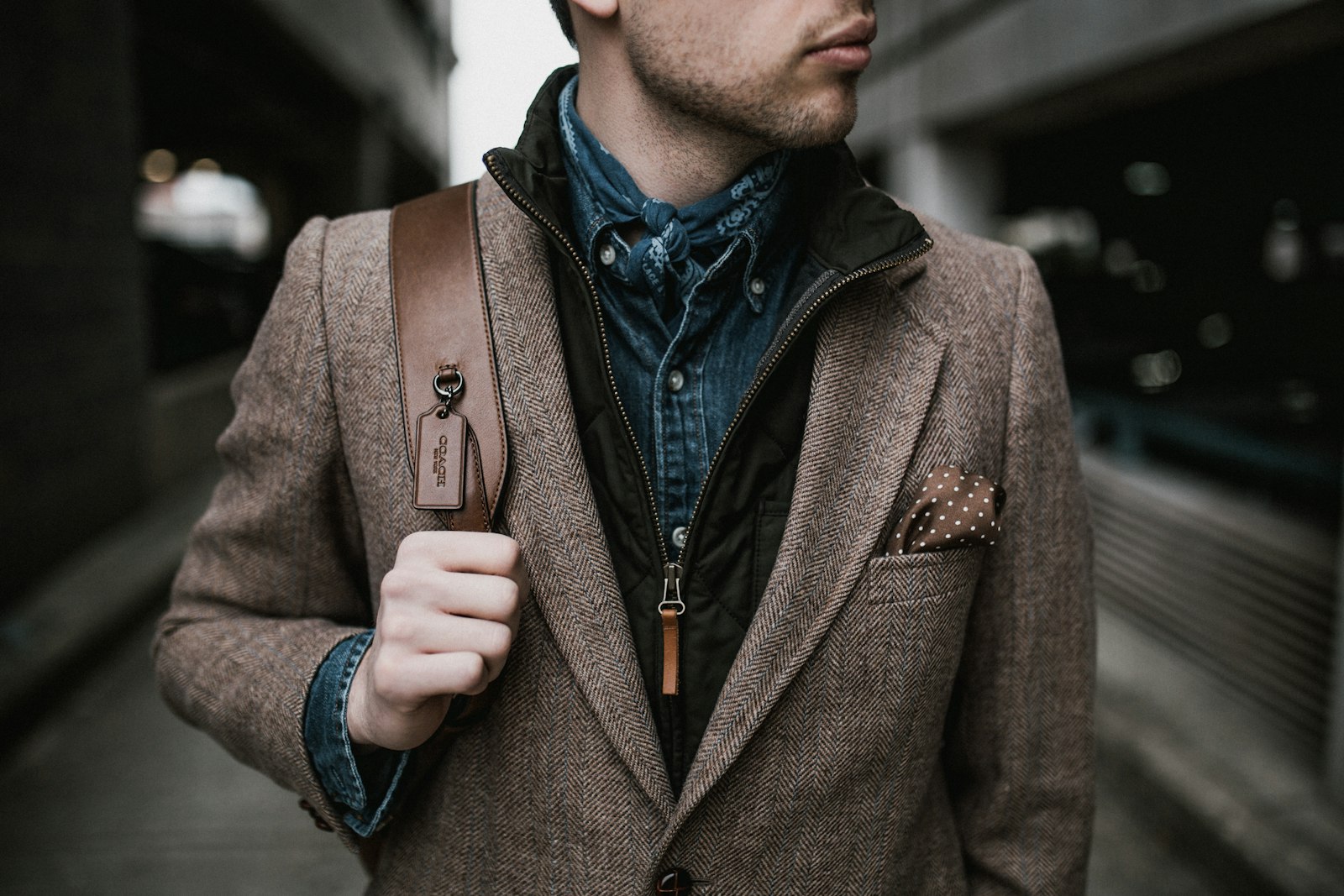
Tweed carries a slightly complicated reputation. For decades it was, quite literally, associated with the countryside — practical, weatherproof cloth designed for shooting, walking and generally standing about outdoors in changeable weather. That heritage remains genuine and worth respecting, but tweed has, over the past decade or so, moved decisively into the city wardrobe too, aided by a growing appreciation for its warmth, texture and — done well — genuine versatility outside its original context.
The weaves worth knowing
Not all tweed is the same cloth, and the regional variations carry real differences in weight, pattern and character. Harris Tweed, woven by hand on the Outer Hebrides, remains the most protected and arguably most storied of the tradition — a genuinely heavy, textured cloth with a distinctive, slightly rough hand-feel that softens considerably with wear. Donegal tweed, from the northwest of Ireland, is recognisable by its flecked appearance — small, contrasting coloured slubs scattered through an otherwise solid ground colour — and tends to run somewhat lighter than Harris. Herringbone and houndstooth patterns appear across both traditions and beyond, and our companion piece on the art of the herringbone coat covers that particular weave in more depth for anyone building out a full coat alongside a shorter jacket.
What separates a good tweed jacket from a mediocre one
- Genuine wool tweed rather than a synthetic blend imitating the texture — the difference is immediately apparent in both hand-feel and how the jacket drapes.
- A proper half or full canvas construction, rather than fused interfacing, which allows the jacket to mould to the body over time and age considerably better.
- Elbow patches, where present, sewn on with genuine intent rather than as a decorative afterthought — traditionally functional, added to extend the life of a jacket’s most heavily worn area.
- A weight appropriate to your actual climate — a genuinely heavy Harris Tweed, built for a Scottish winter, is a poor match for year-round wear in Singapore, however handsome the cloth.
Wearing tweed away from the countryside
The modern case for tweed rests substantially on its texture doing the work that pattern or colour might otherwise do — a tweed jacket in a fairly neutral tone reads as considered and textural rather than overtly “country,” particularly paired against decidedly urban pieces: dark denim, a plain knit, a pair of clean leather boots. Avoid pairing tweed with too many other rustic signifiers at once — a full tweed jacket, cords, and a flat cap together reads as costume rather than a considered outfit — and let the jacket itself carry the texture while the rest of the look stays comparatively simple.
For warmer climates, a lighter-weight tweed or a tweed-cotton blend extends the jacket’s usefulness considerably further into the year than a traditional heavy country weight, and is generally the more practical starting point for anyone building a first tweed jacket outside a genuinely cold climate. For a smoother, finer cloth that suits the same purpose, the case for the Saxony tweed jacket is worth considering.
Buying vintage versus new
Tweed is one of the more forgiving categories for buying secondhand or vintage, given the cloth’s durability and the fact that a slightly imperfect fit can often be corrected by a competent tailor without excessive cost. A well-preserved vintage Harris Tweed jacket, properly cleaned and altered to fit, will often carry a depth of character — a softened hand-feel from decades of wear, patina in the buttons and lining — that a new jacket simply cannot replicate regardless of price. That said, buying new offers the obvious advantage of a fit built specifically to the wearer from the outset, worth the premium for anyone who intends to wear the jacket regularly rather than occasionally.
“A tweed jacket should look like it’s lived somewhere,” a Savile Row-trained tailor told us. “The ones that look brand new after ten years usually haven’t been worn enough.”
Getting the fit and proportions right
A tweed jacket’s texture is forgiving of a great many things, but not of a genuinely poor fit, which the cloth’s bulk and pattern tend to exaggerate rather than disguise. Shoulders should sit cleanly at the natural shoulder point without any pulling or bunching at the seam, since tweed’s structure makes a fit issue here more visible than it would be in a softer, lighter cloth. Sleeve length matters more than usual too — tweed jackets are traditionally worn with a slightly shorter sleeve than a formal suit jacket, allowing a proper shirt cuff or, in colder weather, a jumper cuff to show, a detail that reads as considered rather than accidental once you know to look for it.
Length is worth thinking through specifically for a country or tweed jacket, as opposed to a formal suit jacket: a touch longer than a contemporary suit jacket is traditional and tends to suit the cloth’s heritage better, though this is a matter of personal proportion as much as convention, and a good tailor will advise based on your own build rather than a fixed rule.
Caring for the cloth
Tweed is a genuinely robust fabric and needs relatively little maintenance beyond regular brushing and occasional professional cleaning, no more than once or twice a season given how infrequently the cloth actually needs it. Avoid frequent dry cleaning, which strips the natural oils that give tweed its characteristic hand-feel and water resistance over time. A good tweed jacket, properly cared for, is one of the few garments genuinely built to improve with age rather than merely tolerate it.
A single well-chosen tweed jacket, bought with real intent rather than as an impulse purchase, tends to outlast several cycles of whatever else has come and gone from the wardrobe in the meantime, which is worth remembering when weighing the initial cost against a genuine lifetime of actual, regular wear. Pair it thoughtfully with the rest of a considered wardrobe rather than treating it as an isolated purchase — our guide to the quiet power of a great overcoat and our wider Style & Watches archive both offer further guidance on building outerwear that earns its place over years rather than a single season.
Daniel has spent fifteen years arguing that the best watch is the one you never take off.


