The Case for the Saxony Tweed Jacket
Not all tweed is scratchy estate armour. Saxony is the soft, warm-handed cloth that turns a country jacket into something you actually want against your skin.
 By Daniel Koh
2 September 2026 · 6 min read

The word tweed conjures a certain armour: dense, weatherproof, faintly hostile to the touch, the cloth of gamekeepers and gundogs and long walks in weather no sensible person would choose. That reputation is earned by the hard estate tweeds, the ones bred to shrug off rain and bramble. But it does the wider family a disservice, because tucked within it is a cloth of an entirely different temperament — soft, warm-handed, quietly luxurious — and that cloth is Saxony.
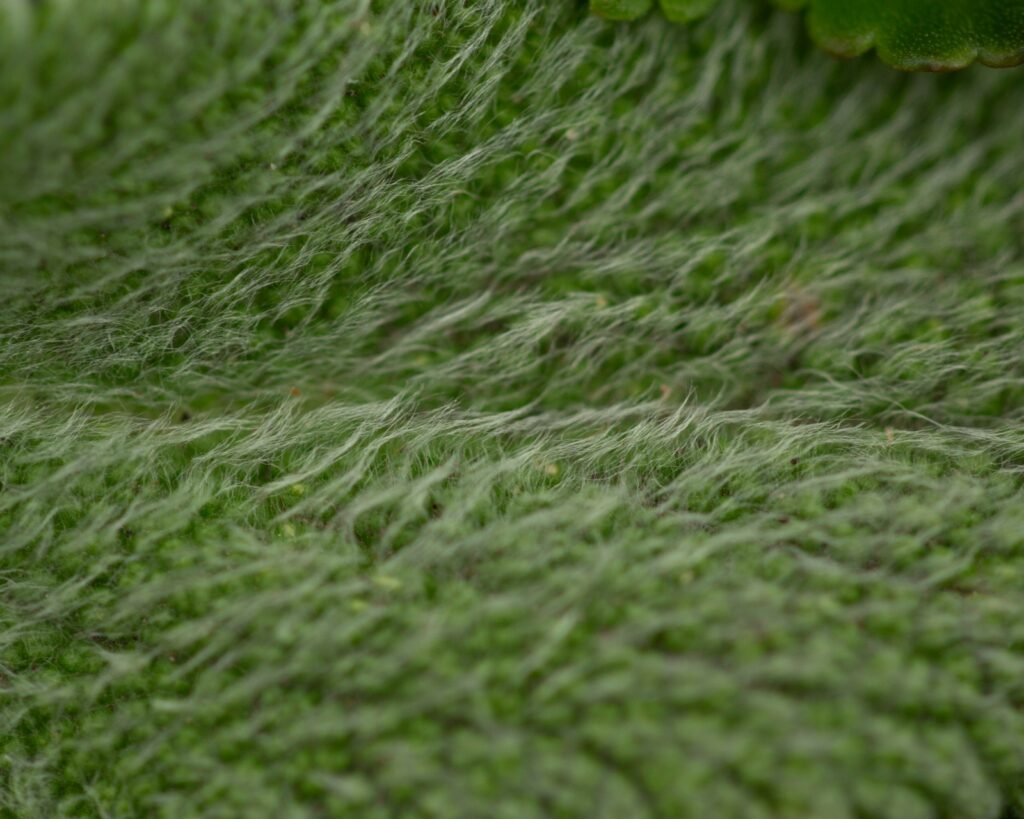
Saxony tweed takes its name from the region of Germany historically prized for its exceptionally fine merino wool, and the name has come to describe a class of woollen cloth spun from soft, short-stapled fibres and woven with a gentle, slightly fuzzy finish. Where a rugged Harris or Donegal feels like it could stop a draught on its own, a Saxony feels like a favourite blanket that happens to be beautifully tailored. For anyone who has been put off tweed by the memory of something scratchy, it is a revelation.
What sets Saxony apart
The difference is in the fibre and the finish. Coarser tweeds use tougher, springier wool that gives them their resilience and their bite; Saxony uses finer wool that lies softer against the skin and drapes with more give. The cloth is milled to raise a light nap, which softens the surface further and gives Saxony its characteristic mellow, slightly hazy look — colours seem to blend into one another rather than sit in sharp contrast. The result is a tweed that photographs as country but feels almost like flannel, a cloth as comfortable in a study as on a hillside.
That softness is also why Saxony makes such a forgiving jacket. It moulds to the body over time, developing a lived-in ease that harder cloths never quite reach. It creases and recovers gently. It is warm without being heavy, which matters more than one might think even in a place like Singapore, where a Saxony jacket earns its keep in over-conditioned offices and cool evening restaurants rather than on any moor. Understanding this comes down to how wool weight and finish govern the way a cloth wears.
The versatility hidden in a country cloth
Because Saxony reads softer and less rugged than estate tweed, it slots into a far wider range of outfits. A hard herringbone can look out of place with anything but heavy country trousers; a Saxony jacket, by contrast, will sit happily over grey flannels, over a fine gauge knit, even over a shirt with the collar open. Its muted, blended colours — moss, biscuit, faded blues and browns — behave almost like solids, which makes them easy to combine. This is the cloth that lets a country jacket become a genuine wardrobe workhorse rather than a costume for one kind of weekend. For something with a little more graphic definition, our case for the houndstooth jacket considers a pattern that keeps its edges rather than blurring them. For those who prefer a little more texture without the full ruggedness of estate cloth, the barleycorn tweed jacket offers a worthy alternative.
It also plays beautifully against the smoother cloths already in a considered wardrobe. Set a soft Saxony against the crisp precision of a well-cut grey suit and you have the two poles of tailoring — the structured and the soft — and a Saxony jacket teaches you to love the softer end. If your instinct runs to relaxed tailoring, it belongs in the same conversation as the unlined summer blazer, another garment that prizes ease and hand over rigidity, even if the seasons they serve could hardly be further apart.
A hard tweed is a jacket you wear to defy the weather. A Saxony is one you wear because it feels like being at home.
How to have one made
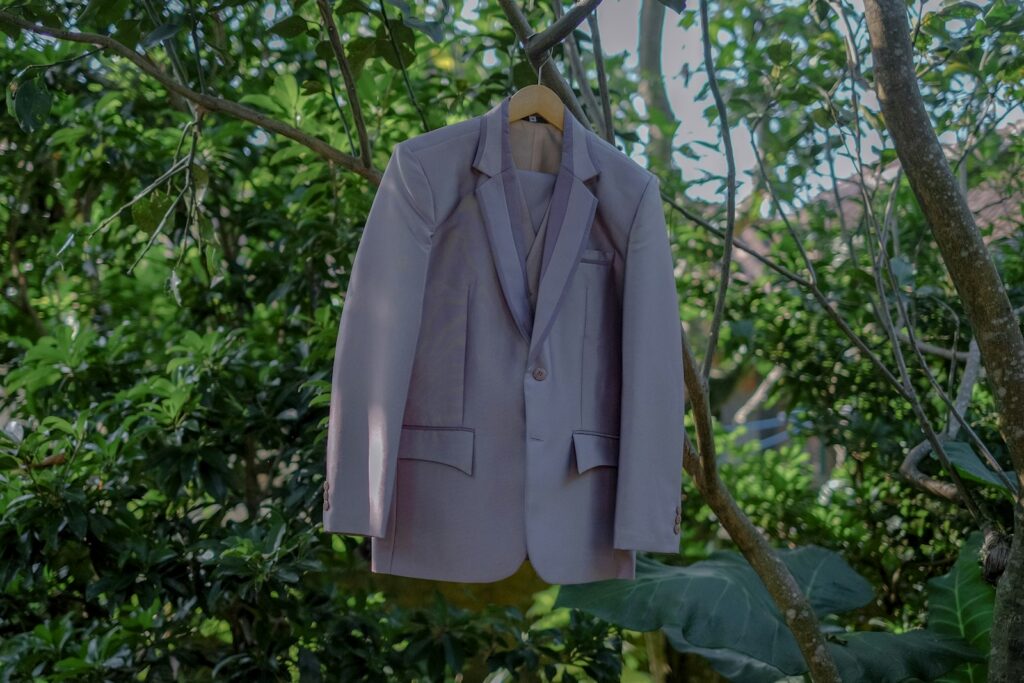
A Saxony rewards a soft construction. Because the cloth itself is gentle and yielding, it does not want to be caged in heavy canvas and stiff padding; it wants a light half-canvas, a soft or lightly built shoulder, and a cut that lets the fabric drape rather than forcing it into shape. Ask for a jacket that moves. The whole appeal of the cloth is its ease, and a Saxony tailored too rigidly fights its own nature.
Colour is where the pleasure lies. The blended, hazy palette of Saxony means even the boldest cloths behave with restraint, so you can be braver than you would dare in a hard-finished worsted. A soft green, a warm biscuit, a smoky blue-grey — these read as quiet neutrals in Saxony where they might shout in a sharper cloth. Consider a subtle overcheck or a heathered plain; both flatter the mellow surface. And do not neglect the details that make a jacket personal, the sort of hand-finishing that separates a good jacket from a merely adequate one, much as it does in the wider argument for wearing tailoring more softly, as in the case for wearing a suit without a tie and letting comfort lead.
Why it endures
There is also a seasonal intelligence to the cloth that repays a little thought. A lighter Saxony carries you through the transitional months and the cool of an air-conditioned life; a heavier one comes into its own on a genuinely cold trip abroad. Because the finish is so mellow, a single well-chosen Saxony jacket bridges a surprising range of occasions, dressing up over a shirt or down over a knit without ever looking out of place. Buy one good example, in a colour you will not tire of, and it will quickly become the jacket you reach for when nothing else feels quite right.
The case for the Saxony jacket, in the end, is a case for cloth that gives back. It ages into something better than it began, softening and settling until it feels less like a garment and more like a habit. It is warm without weight, country without costume, luxurious without a whisper of flash. In a wardrobe that already contains its share of crisp worsteds and cool linens, the Saxony is the jacket you reach for when you want to feel comfortable rather than assembled — and that, over a lifetime of wear, is the highest praise a jacket can earn. To place it within a fuller picture of considered dressing, the Style and Watches desk carries the wider conversation.
Daniel has spent fifteen years arguing that the best watch is the one you never take off.