A Guide to the Perfect Merino Polo
Neither quite a shirt nor quite a knit, the merino polo is the most quietly useful thing you can wear in a warm climate. A guide to getting one exactly right.
 By Daniel Koh
2 September 2026 · 6 min read
By Daniel Koh
2 September 2026 · 6 min read
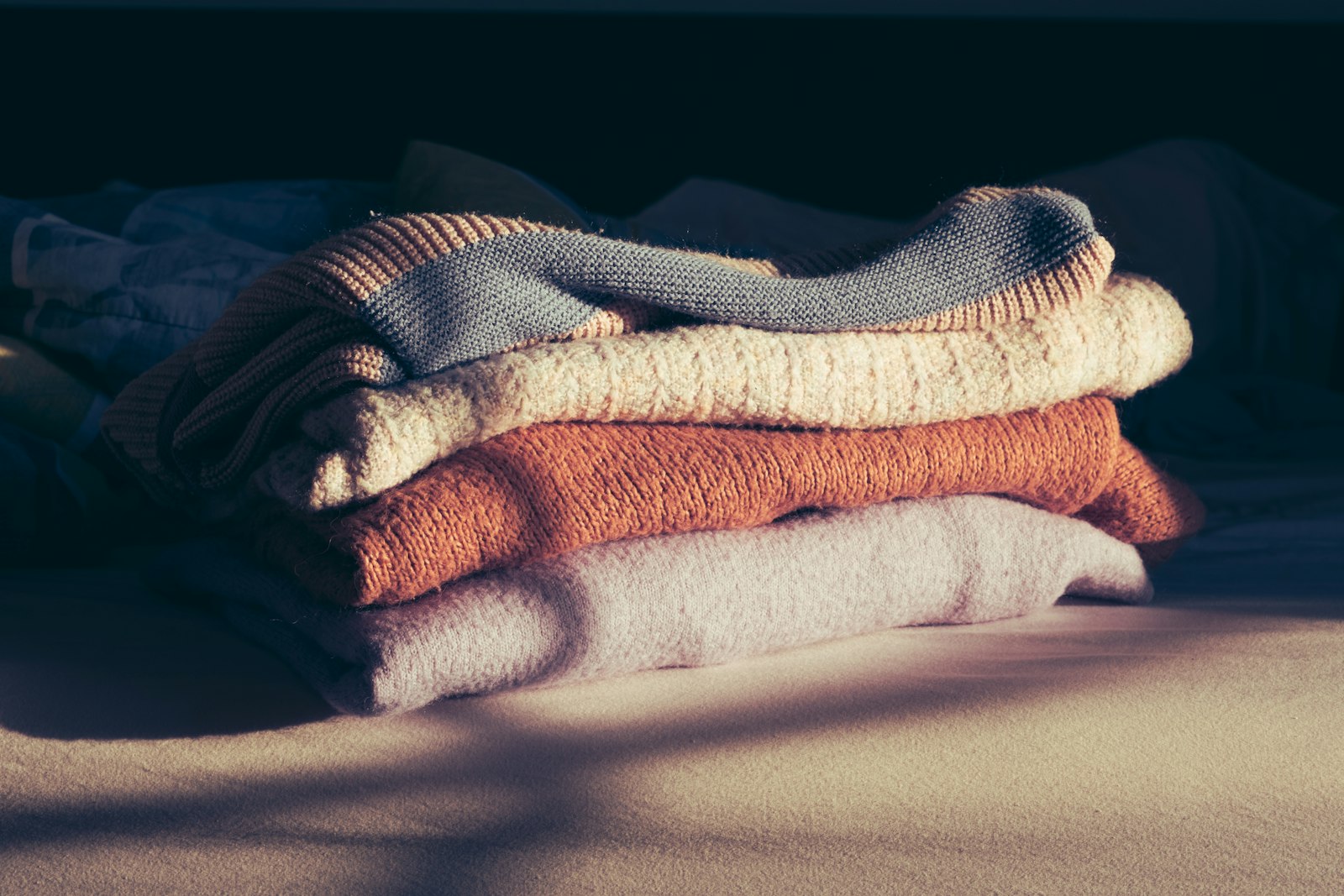
There is a garment that sits precisely in the gap between a shirt and a jumper, and in a warm climate it may be the single most useful thing you can own. The knitted merino polo is neither quite formal nor quite casual, neither quite a knit nor quite a shirt, and it is exactly this in-between quality that makes it so versatile. Worn under a jacket it stands in for a shirt and tie; worn alone it reads as elegant leisure; and in the heat of a place like Singapore it does both while keeping you cooler than cotton ever could.
The trouble is that a great merino polo and a mediocre one look almost identical folded on a shelf, and the differences only reveal themselves in the wearing. Gauge, collar, fit and fibre all conspire to make one polo a thirty-wear-a-year staple and another a slumped disappointment after a month. So it is worth knowing what to look for before you buy.
Start with the fibre and the gauge
Merino is the whole reason this garment works in the tropics. Fine merino wool is astonishingly good at regulating temperature: it breathes, it wicks moisture away from the skin, and it resists odour in a way cotton cannot, so it stays fresh through a long humid day. The instinct to reach for cotton in the heat is understandable but mistaken; a fine merino sits cooler and drier against the skin, which is the whole argument behind everyday merino crewnecks as warm-weather staples.
Gauge — the fineness of the knit — decides the character of the polo. A fine gauge, tightly knitted from thin yarn, gives a smooth, almost shirt-like surface that dresses up easily and slips under a jacket without bulk. A chunkier gauge reads more casual and textured, lovely on its own but too heavy for the office or the heat. For a first, most versatile polo, err toward the finer end; it will do more jobs. The general principle here is the same one that governs all knitwear buying, laid out well in the case for the knitwear worth investing in.
The collar makes or breaks it
Everything hinges on the collar. A good knitted polo has a collar with enough body to stand up on its own when open, framing the neck cleanly rather than flopping flat against the chest. Some are knitted in one piece; the best often have a separately knitted or lightly self-fabric collar that holds its shape. When you try one, open the top button and look: does the collar sit up and roll, or does it collapse? A collapsing collar makes even fine merino look cheap.
The placket matters too. Two or three buttons is traditional and flattering; the buttons themselves should sit flat and the placket should lie closed without gaping. And consider the sleeves — a knitted cuff that grips gently at the bicep looks neat, while a loose, flared sleeve undoes the polo’s tidy character. These are the same small points of finishing that reward attention in any considered garment, the way collar and cuff detail do in a well-made polo shirt of the woven kind.
A merino polo lives or dies by its collar. Everything else can be forgiven; a collapsing collar cannot.
Fit: trim but not tight
A merino polo should skim the body, not cling to it. Because the knit has some natural stretch and drape, a fit that looks trim on the hanger can pull and pill once on, revealing every contour. Aim for a clean line through the chest and waist with just enough ease to move, sleeves that end mid-bicep or a touch longer, and a hem that sits at the trouser waistband — long enough to stay tucked if you want, short enough to wear out neatly. A polo worn untucked should end around the middle of the fly, never lower.
Because merino relaxes slightly with wear and recovers when rested, buy for the fit it has on the second wearing, not the first. If it is snug but comfortable new, it will settle beautifully; if it is tight new, it will only get tighter as it moulds to you. This settling-in is one of merino’s quiet virtues, the same lived-in ease that makes people so devoted to caring for it properly, as covered in looking after fine knitwear.
Colour and building a small rotation
For versatility, begin with quiet colours: navy, which does almost everything and slips under tailoring effortlessly; a soft grey; a warm stone or ecru for the heat; perhaps an olive or a faded blue as you build. These read as neutrals and combine with anything. Bolder colours are a pleasure once the basics are in place, but a first merino polo should be a workhorse, not a statement. Two or three in complementary shades will carry you through months of warm-weather dressing, worn open on their own or closed under a soft jacket. The fibre’s advantages are even clearer on the road, as our piece on why merino beats cotton for travel explains in more practical terms. When the weather cools and the collar rises, our guide to the perfect turtleneck applies the same scrutiny of knit and fit.
One last point on care, because it decides how long a good polo lasts. Merino prefers a gentle hand: a cool wash, a mild detergent made for wool, and drying flat rather than on a hanger that would stretch the shoulders out of shape. Rest each polo a day between wearings and the fibres recover their loft and freshness. Treated this way, a fine merino polo keeps its collar and its colour for years, quietly earning its place as the most-worn and most-useful thing you own.
Cared for well — washed gently, dried flat, rested between wears — a good merino polo lasts for years and only grows more comfortable. It is the rare garment that solves a genuine problem, giving you the ease of a knit with the polish of a shirt, in a fibre engineered for exactly the climate most cotton struggles in. Get the collar, the gauge and the fit right, and you will find it becomes the thing you reach for more than anything else in your wardrobe. For more on dressing well in the heat, the Style and Watches desk is the place to continue.
Daniel has spent fifteen years arguing that the best watch is the one you never take off.