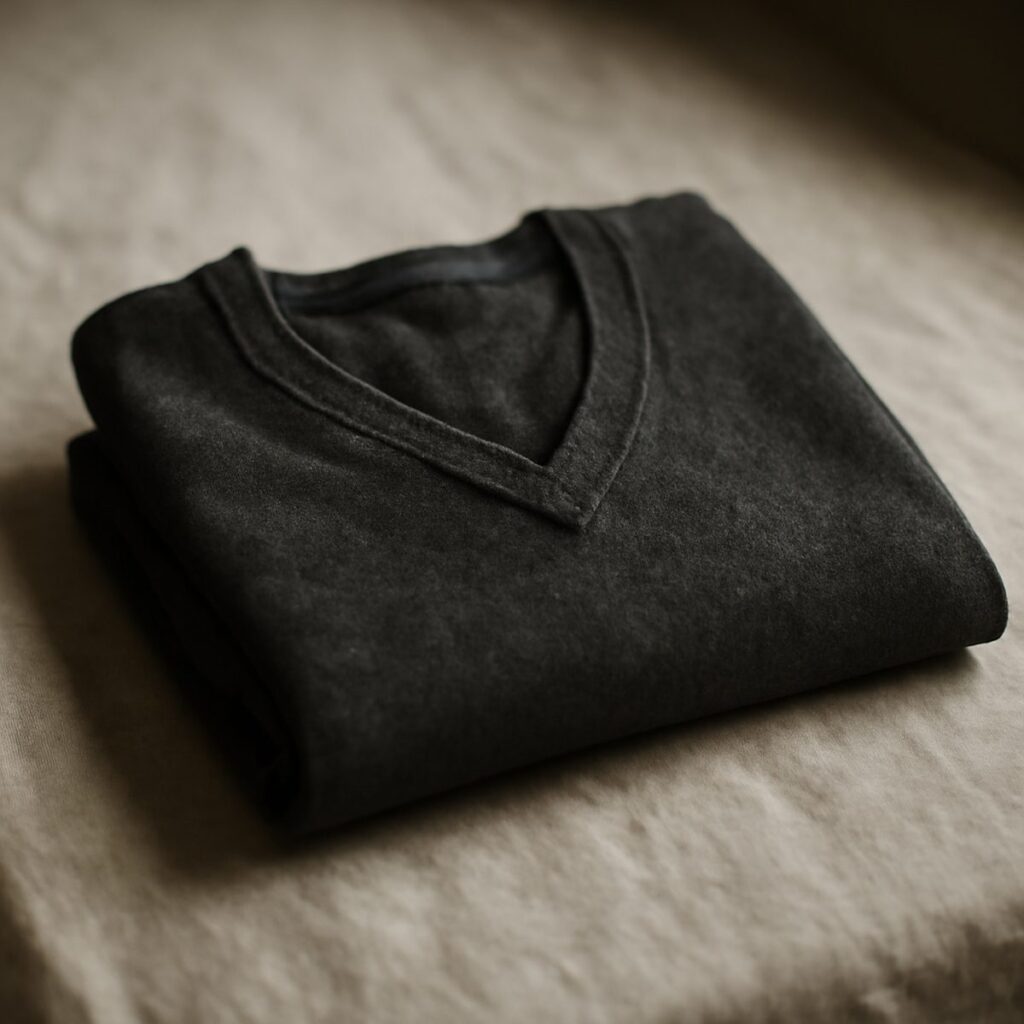
The Perfect Grey Suit
Navy gets the credit, but grey does more of the actual work. A case for the most underrated colour in a considered wardrobe, and how to choose the right shade.
 By Daniel Koh
29 August 2026 · 5 min read
By Daniel Koh
29 August 2026 · 5 min read
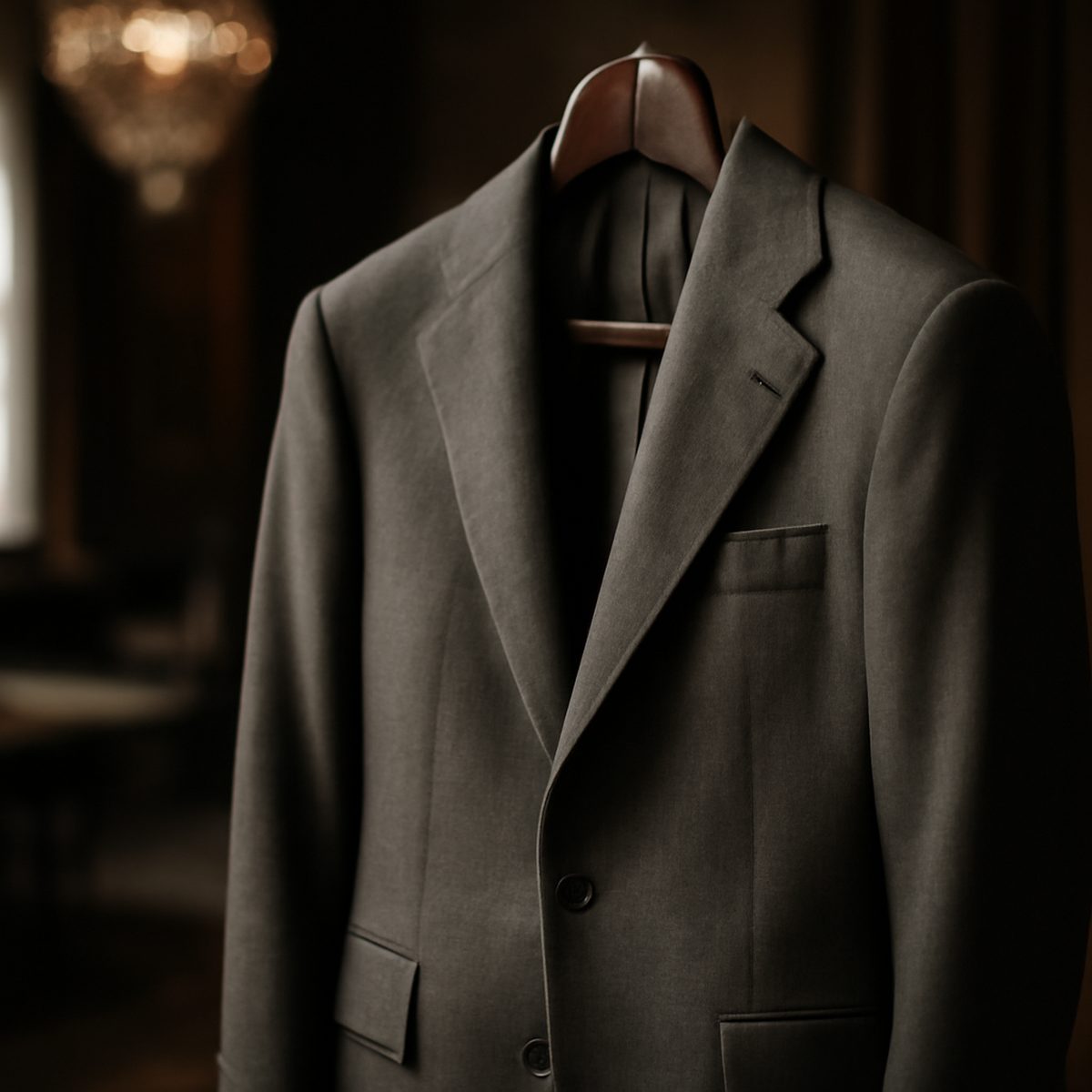
Navy tends to get all the credit in conversations about a foundational suit, praised endlessly for its safety and versatility, while grey is treated as its slightly dull understudy. This ranking has always seemed backwards. Grey, properly chosen, is the more genuinely versatile colour — softer against skin tones that navy can overwhelm, easier to dress down without looking like an off-duty banker, and considerably more forgiving under artificial light, where navy has an unfortunate habit of reading as black.
Why grey works harder than people give it credit for
The practical case for grey rests on its neutrality. It sits between the crispness of navy and the weight of charcoal, meaning it can move between a client meeting and a relaxed dinner with only a change of shirt and tie, or the absence of one entirely. Grey also photographs and appears under office lighting with far less variation than navy, which can shift disconcertingly between blue and near-black depending on the bulb. For a suit that will see regular use across a genuinely varied set of occasions, this consistency matters more than most buyers initially appreciate.
There is also a simple compatibility argument. Grey pairs cleanly with a wider range of shirt and tie colours than navy does, particularly pastels and earth tones that can clash awkwardly against a strong navy. A grey suit gives those secondary pieces more room to do interesting work, rather than competing with a dominant base colour.
Choosing the right shade
Not all greys behave the same way, and the shade chosen should reflect how the suit will actually be worn. A mid-grey, sitting comfortably between light and charcoal, is the most broadly useful starting point for a first grey suit — versatile enough for both business and smart-casual contexts, without the formality that charcoal carries or the casualness that a very light grey can suggest. Charcoal, several shades darker, functions almost as a stand-in for black in most contexts requiring genuine formality, and deserves its own place in a wardrobe once the mid-grey workhorse is established.
- Mid-grey: the most versatile single shade, suited to business and smart-casual wear alike.
- Charcoal: the closest grey gets to black, appropriate for more formal daytime occasions.
- Light grey: a warmer-weather option, best reserved for daytime events rather than evening wear.
- Flannel grey: a heavier, textured take best suited to cooler climates and more relaxed tailoring.
Fabric and texture matter as much as colour
A plain, smooth worsted grey reads as formal and businesslike, while the same colour in a flannel or a subtle herringbone weave softens considerably, taking on a more relaxed, textural quality suited to smart-casual wear. Singapore’s climate makes the heavier flannel weights impractical for most of the year, so a tropical-weight wool or a wool-blend with some natural stretch tends to serve better here than the flannel options that suit cooler markets. Fit matters more than fabric choice in the end, and our broader piece on why fit beats everything else is worth reading before any fabric decision, since even the perfect shade of grey looks unremarkable on a poorly cut jacket.
“Clients ask me for navy because it’s the safe answer,” one Singapore tailor told us. “I usually talk them into grey instead. It does more for more of their week.”
Styling it beyond the office
A grey suit’s real versatility shows once the tie comes off. Worn with an open-collar shirt, the jacket and trousers separate easily into two useful pieces — the jacket over a knit for a smart dinner, the trousers alone with a linen shirt for a warm-weather event. This kind of separation is where grey earns its keep over navy, since it reads as considered rather than simply half of a business suit when broken up. For readers exploring this specific styling approach, our guide to wearing a suit without a tie covers the details of making this work convincingly rather than looking like an afterthought.
Building out from a single suit
Once a well-fitted grey suit is established, the smarter next purchase is rarely a second grey suit in a slightly different shade — it is a genuinely different colour that expands what the wardrobe can do rather than duplicating it. A navy blazer, a pair of tailored chinos, or a properly cut odd jacket in a warmer tone all pair naturally with the trousers from a grey suit worn separately, effectively multiplying the wardrobe’s range from a single tailored purchase. This is where the value of buying well the first time compounds — a suit cut generously enough through the shoulder and properly proportioned through the leg will still separate cleanly years later, long after a cheaper, more trend-driven cut has dated.
Care matters here too, more than most owners realise. A grey suit shows wear at the seat and knees more visibly than navy or charcoal, simply because the lighter tone reveals shine and fabric compression more readily under office lighting. Rotating between two suits rather than wearing one constantly, and having both properly pressed and rested between wears, extends the life of the cloth considerably and keeps the colour looking fresh rather than tired.
A foundation worth prioritising
A well-made grey suit, properly fitted and in a shade suited to the climate it will actually be worn in, tends to outlast trends and outperform navy in sheer weekly usefulness. It is not the flashier choice, and it was never meant to be — its entire value lies in doing quiet, reliable work across more occasions than almost anything else in a considered wardrobe. Readers assembling the rest of that wardrobe around it will find further guidance across the wider Style & Watches section, including our notes on the enduring appeal of made-to-measure for those ready to have one built properly rather than bought off the rack. Get the shade, the fabric and the fit right once, and it becomes the suit reached for automatically, week after week, long after flashier purchases have been forgotten at the back of the wardrobe.
Daniel has spent fifteen years arguing that the best watch is the one you never take off.