The Best Merino and Technical Basics
The layer nobody sees does more work than almost anything else in a wardrobe. A case for merino wool and other technical basics worth the investment.
 By Daniel Koh
29 August 2026 · 6 min read
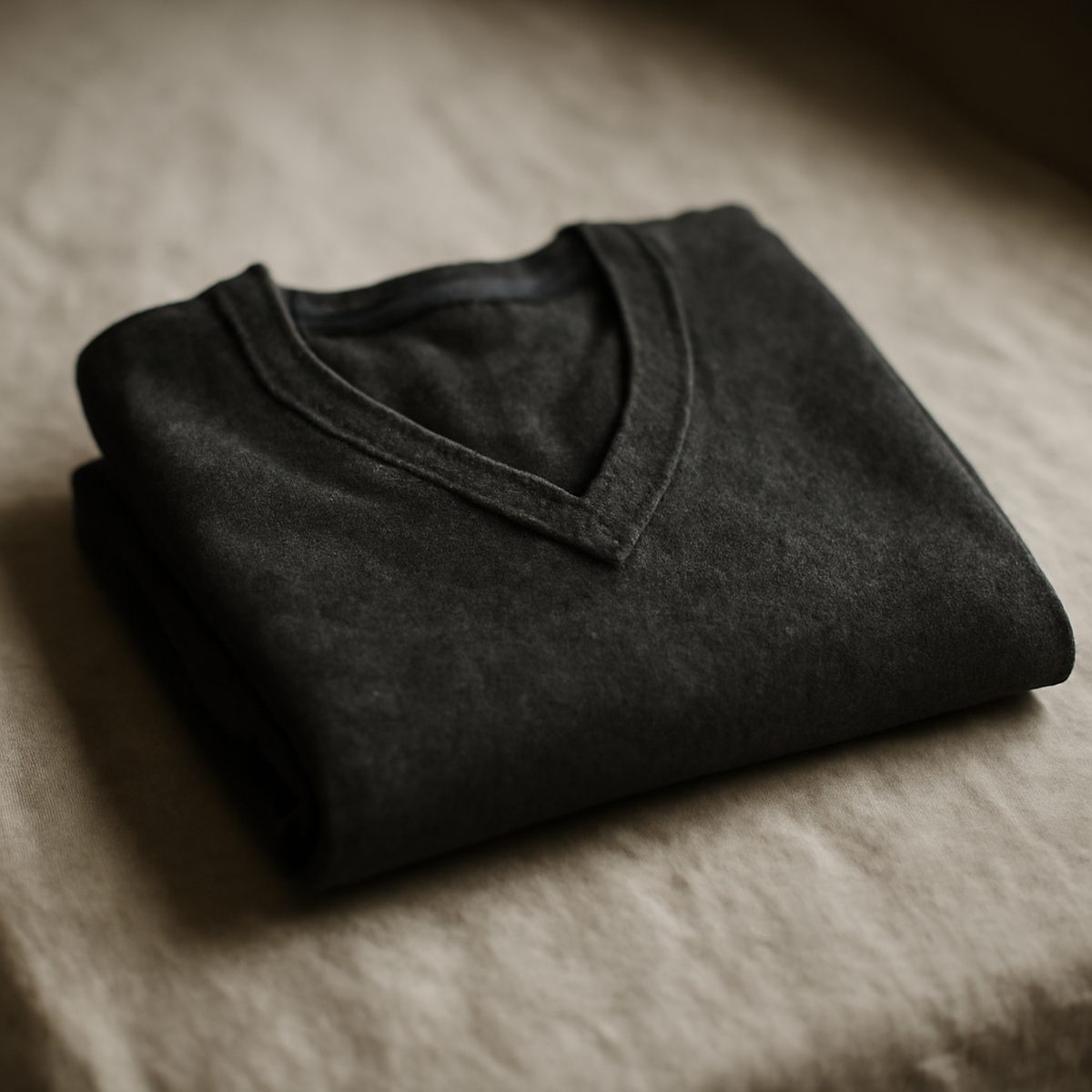
The unglamorous layer sitting directly against the skin rarely gets the attention lavished on a well-cut jacket or a distinctive pair of shoes, and yet it does more to determine how a day actually feels than almost anything visible in the outfit above it. Merino wool and the broader category of technical basics have quietly become one of the more genuinely useful upgrades a considered wardrobe can make, offering comfort and performance that ordinary cotton simply cannot match across a genuinely varied climate.
Why merino specifically
Merino wool’s advantages over standard cotton basics come down to a handful of properties that matter disproportionately in a tropical climate. It regulates temperature far more effectively than cotton, wicking moisture away from skin rather than absorbing and holding it, which matters enormously in Singapore’s humidity where a soaked cotton t-shirt becomes uncomfortable within an hour of exertion. It also resists odour naturally, thanks to the fibre’s structure, meaning a merino piece can be worn considerably longer between washes than cotton without the wearer noticing any difference — genuinely useful for travel, where laundry access is unpredictable.
The fineness of merino fibre, considerably finer than standard sheep’s wool, also means it sits softly against skin rather than itching the way coarser wool traditionally does, removing the single biggest historical objection to wearing wool as a base layer in a warm climate.
Building a base layer wardrobe with intent
A considered technical basics wardrobe starts with a small number of genuinely excellent pieces rather than a large quantity of mediocre ones. A few merino t-shirts in neutral tones cover the majority of daily wear, while a lightweight merino knit extends naturally into smart-casual territory, worn alone or layered under a blazer for cooler evenings and air-conditioned offices. Technical trousers, built with a small amount of stretch and quick-drying fabric, round out a base layer that performs considerably better across a genuinely varied day than traditional cotton chinos.
- Merino t-shirts: temperature-regulating and odour-resistant, suited to daily wear in humid climates.
- Merino knitwear: a lightweight layer that bridges casual and smart-casual contexts equally well.
- Technical trousers: quick-drying, stretch-enabled fabric for genuine day-to-evening versatility.
- Merino or technical-blend socks: an underrated upgrade that improves comfort disproportionately to its cost.
Pairing technical fabric with tailoring, convincingly
The category’s biggest styling opportunity, and the one most wardrobes underuse, is layering a technical base piece under proper tailoring — a merino crew-neck under a tailored jacket, for instance, in place of a traditional dress shirt, for an outfit that reads smart-casual rather than fully formal while still performing considerably better in heat and humidity than a cotton shirt would. This kind of contrast, technical fabric under classic tailoring, works particularly well for evening events that call for smartness without full formality, and pairs naturally with the broader ideas in our guide to wearing a suit without a tie.
“Clients are often surprised how much better a merino piece performs than the cotton equivalent, in a climate like ours,” one Singapore menswear buyer told us. “Once they feel the difference on a genuinely hot day, they rarely go back.”
Where price and quality actually diverge
As with most natural fibres, merino quality varies considerably across a wide price range, and the number that matters most on a garment’s label is micron count — a measure of fibre fineness, with lower numbers indicating softer, finer, more expensive wool. Entry-level merino basics typically sit in the low-to-mid 20-micron range, perfectly serviceable but noticeably less soft than premium pieces cut from fibre in the high teens. For a t-shirt worn directly against skin in daily rotation, this difference in softness is worth paying for; for an outer layer worn over another garment, the gap matters considerably less, and a mid-range micron count performs the same practical function at a lower price.
Caring for the investment
Merino requires slightly different care than cotton — cold water, a gentle cycle, and drying flat rather than in a tumble dryer, which can felt and shrink the fibres considerably. Given the higher price point relative to cotton, treating these pieces with the same care attention as a proper knit is worth the small extra effort; our broader notes on buying and keeping cashmere cover similar principles that apply reasonably well across most natural fibre investments, merino included.
Beyond merino, the wider technical fabric landscape
Merino is the most established of the technical basics, but the broader category has expanded considerably in recent years to include performance blends that borrow techniques from outdoor and athletic apparel and apply them to genuinely smart, everyday-appropriate pieces. Fabrics blending a small percentage of elastane into wool or cotton improve drape and recovery without sacrificing the natural look of a traditional garment, while newer moisture-wicking cotton alternatives attempt to close the performance gap with merino at a lower price point, with mixed but improving success. The distinction worth understanding is that these are not simply gym clothes rebranded for daily wear — the better pieces in this category are cut and finished to the same standard as traditional smart-casual basics, with the technical performance built invisibly into the fabric itself rather than announced through obvious branding or an overtly sporty silhouette.
Singapore’s climate makes this category more relevant here than in almost any other major style capital, given the combination of near-constant humidity and heavily air-conditioned indoor environments that most days require moving between. A wardrobe genuinely built for this specific climate, rather than adapted from what works in a temperate country, increasingly leans on exactly this kind of technical basic as its foundation.
A quiet upgrade worth prioritising
Technical basics rarely photograph as impressively as a striking jacket or a distinctive accessory, and that is precisely why they tend to be underinvested in relative to their actual daily impact. A wardrobe built on a foundation of genuinely comfortable, well-performing basics simply feels better to wear, day after day, than one where every piece above the base layer is excellent but the base layer itself is an afterthought. Readers building out the rest of a considered wardrobe around this foundation will find further reading across Style & Watches, including our guide to building a ten-piece capsule wardrobe for those starting from scratch, where a small handful of genuinely excellent technical basics should sit near the very top of the list — unglamorous, perhaps, but doing more daily work, more often, than almost anything else hanging in the wardrobe above it.
Daniel has spent fifteen years arguing that the best watch is the one you never take off.