
The Case for the Barleycorn Tweed Jacket
The barleycorn tweed jacket is the quiet workhorse of a tailored wardrobe, all texture and no shout. Why this humble weave outlasts louder cloth.
 By Daniel Koh
2 September 2026 · 6 min read
By Daniel Koh
2 September 2026 · 6 min read
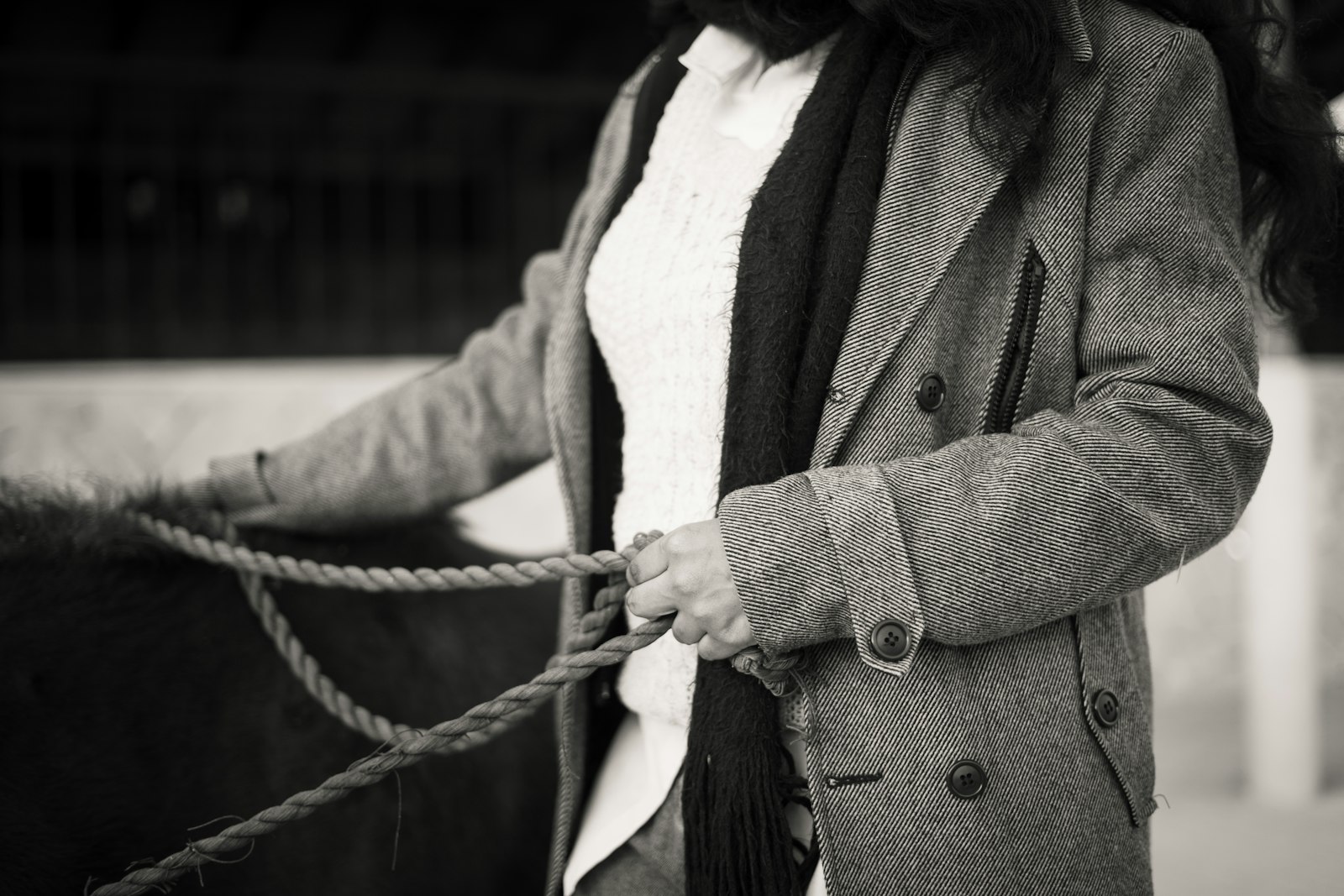
Among the tweeds, barleycorn is the one that whispers. Where a bold check announces itself across a room and a herringbone draws the eye into its zigzag, barleycorn does neither. From a few paces it reads simply as a warm, flecked solid, a colour with depth rather than a pattern with a name. Only up close does the weave reveal itself, a scattering of tiny broken loops that look, as the name promises, like scattered grains of barley. This is precisely why the barleycorn tweed jacket is the most useful tweed a man can own, and the most quietly sophisticated.
The weave itself is a variation on the nubbly, broken structures that define country cloth. Short slubs and flecks catch the light unevenly, so a barleycorn in soft brown might carry threads of amber, rust and grey woven through it. The result is a cloth that changes character with the weather, coming alive in low autumn sun and settling into a mossy calm under grey skies. It is texture doing the work that pattern usually does, and it is far the more versatile approach.
Why texture beats pattern
A strongly patterned jacket is a commitment. A window-pane check or a bold gun-club will happily be worn a dozen times a season before it starts to feel familiar to everyone who sees you. Barleycorn has no such ceiling. Because the eye registers it as a rich solid, you can wear it week after week and no one quite clocks that it is the same jacket, only that you look well put together. For anyone building a wardrobe of pieces that earn their keep, this is the whole argument, and it sits comfortably beside the reasoning in our piece on the best tweed and country jackets.
Texture also flatters. The broken surface of a good barleycorn absorbs light rather than reflecting it flatly, which softens the silhouette and hides the small creases that a smooth worsted would betray. It is a forgiving cloth, and a generous one.
The colours that work hardest
Barleycorn comes in a range of tones, but a few earn their place ahead of the rest. A mid-brown, the colour of a ploughed field, is the natural first choice, pairing effortlessly with grey flannels, cream cords or dark denim. A greyish oatmeal is the sleeper hit, reading almost as a neutral and slipping under a topcoat without argument. And a deep lovat green, that particular grey-tinged olive of the Scottish hills, brings a quiet warmth that navy and charcoal cannot.
Whichever you choose, the trouser question tends to answer itself. Barleycorn asks for something plainer beneath it, which is why it partners so well with a good grey flannel trouser, the two textures playing off each other without competing. Avoid pairing tweed with tweed unless you know exactly what you are doing; the result usually reads as costume rather than clothing.
Cut and construction
Tweed wants a certain amount of structure to hold its shape, but not too much. The ideal barleycorn jacket has a soft, natural shoulder and a lightly canvassed chest that lets the cloth drape rather than stand to attention. Patch pockets suit its country character, and a swelled edge or a subtle throat latch nods to its heritage without tipping into fancy dress. Three buttons or two, single vent or double, the choices are yours, but the spirit should stay relaxed.
A barleycorn jacket is not a statement piece. It is the piece you reach for when you have nothing to prove and everything to do.
Weight matters more than most buyers think. A heavier barleycorn, in the region of a proper country cloth, hangs beautifully and lasts for decades, but it is a genuine winter garment. For a warmer climate, or for wear that runs from autumn into spring, a lighter weave in the same pattern gives you the look without the swelter. The considered approach to cloth weight runs through our guide to the best fabrics for a country jacket, and barleycorn appears in most of them for good reason.
How to wear it
The barleycorn jacket is at its best when it is doing ordinary things. Over a fine roll-neck for a winter lunch, with an oxford shirt and a knitted tie for the office on a Friday, or thrown over a chambray shirt and worn like a familiar cardigan at the weekend. It resists formality, which is its charm; try to dress it up with sharp trousers and a stiff shirt and it looks faintly uncomfortable, like a gundog at a garden party.
It also layers beautifully. Because the colour is muted, it disappears happily under a topcoat, and it takes a scarf or a waistcoat without visual argument. If you own only one country jacket, barleycorn is the one that will find the most occasions, precisely because it insists on none of them. Set it against the flashier members of the tweed family, such as the pieces gathered in our look at the Harris tweed jacket, and you begin to see the trade: less immediate drama, far more everyday life.
The long view
There is also a seasonal intelligence to barleycorn that rewards a little planning. In a temperate autumn it comes into its own, the flecked surface catching the low light and the weave warm enough for a cool morning yet breathable enough for a mild afternoon. In a warmer climate, worn in the air-conditioned indoors of a Singapore office or restaurant, a lighter barleycorn gives all the visual richness of country cloth without the swelter, which is why it travels so well between climates. Buy the weight to suit the life you actually lead, rather than the romantic idea of a Highland shooting party, and the jacket will earn its keep in far more situations than a heavier country tweed ever could.
Trends in tailoring come and go, and the bold patterns that feel fresh one season can feel dated the next. Barleycorn never does, because it was never fashionable in the first place; it was only ever useful and handsome. Buy a good one, in a colour that suits your existing trousers, and it will still be earning its place in a decade, softened at the elbows and better for the wear. That quiet permanence is what our style and watches pages return to again and again, and few garments embody it as completely as this modest, flecked, endlessly wearable weave.
Daniel has spent fifteen years arguing that the best watch is the one you never take off.


