The Best Fabrics for a Country Jacket
Tweed, cotton-linen and corduroy all have a place in a country jacket built for the tropics, provided the weight and weave are chosen with real care.
 By Daniel Koh
31 August 2026 · 6 min read
By Daniel Koh
31 August 2026 · 6 min read
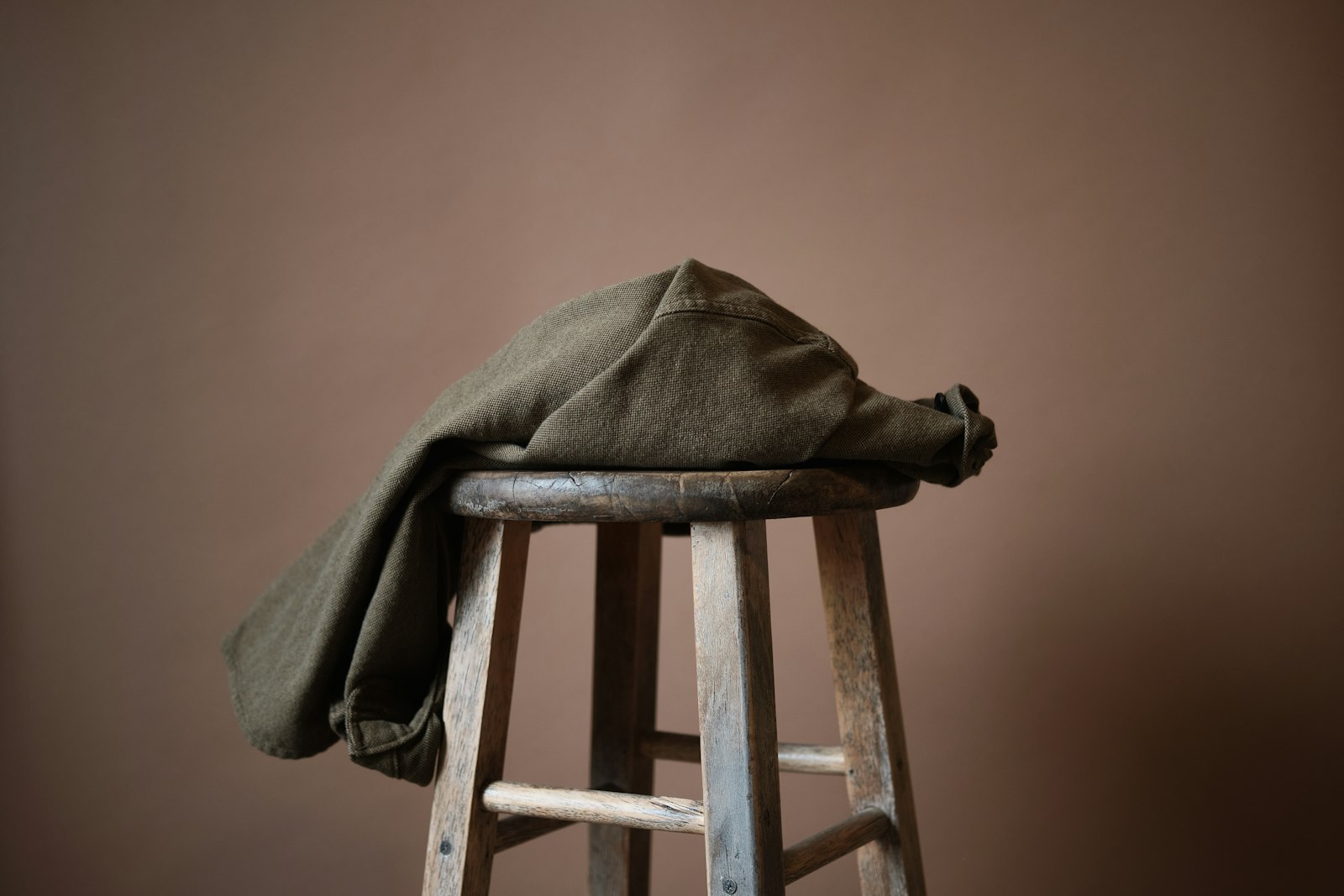
A country jacket lives a harder life than almost anything else in a considered wardrobe. It gets thrown over a chair between meetings, sat in during a long drive, and occasionally caught by a sudden shower on the walk from car park to restaurant. The fabric it is cut from determines almost everything about whether it survives that treatment gracefully or looks tired within a season — and in a climate like Singapore’s, where the jacket is worn for texture and occasion rather than warmth, the choice of cloth matters even more than usual.
Tweed, and why it still works here
Traditional Scottish and English tweeds were bred for cold, wet hillsides, which sounds like the opposite of what a tropical wardrobe needs. But a lighter-weight tweed — something closer to 300 or 350 grams per metre rather than the heavier 500-gram cloths — brings genuine texture and character to an outfit without the insulating bulk. Worn open over a light shirt in an air-conditioned restaurant or on an evening that has cooled slightly, a fine tweed reads as considered rather than costume. The key is weight: anything heavier belongs in a proper cold-climate tweed and country jacket collection, not a tropical one.
Cotton and cotton-linen blends
For genuine everyday wear in the heat, a heavyweight cotton twill or a cotton-linen blend often outperforms wool entirely. These cloths hold a jacket’s shape reasonably well while breathing far more generously, and they soften attractively with wear rather than simply wearing out. A cotton-linen country jacket in a soft olive or stone colour does much of the same visual work as tweed — texture, a slightly rustic finish — while being genuinely comfortable to wear through a Singapore afternoon.
The linen caveat
Pure linen alone is a poor choice for a structured jacket. It creases aggressively and loses its shape at the shoulders within a few wears. Blended with cotton or a small percentage of wool, linen contributes breathability and a slightly irregular, handsome texture without the shape problems that plague jackets cut from linen alone.
Corduroy, reconsidered
Corduroy has an old-fashioned reputation, but a fine-wale cord in a mid-weight cloth is one of the more versatile country-jacket fabrics going. It has enough texture to feel like a considered choice, drapes better than most people expect, and — in a lighter weight — is entirely wearable indoors in the tropics. Avoid the wide-wale, heavy versions, which read more costume-department than wardrobe staple.
What to actually look for when buying
- Weight appropriate to the climate — under 350 grams per metre for anything meant to be worn regularly in Singapore.
- A half-lining or full breathable lining rather than a heavy quilted one, which traps heat unnecessarily.
- Natural fibres or high-natural-content blends; synthetic additions tend to feel clammy against skin in humidity.
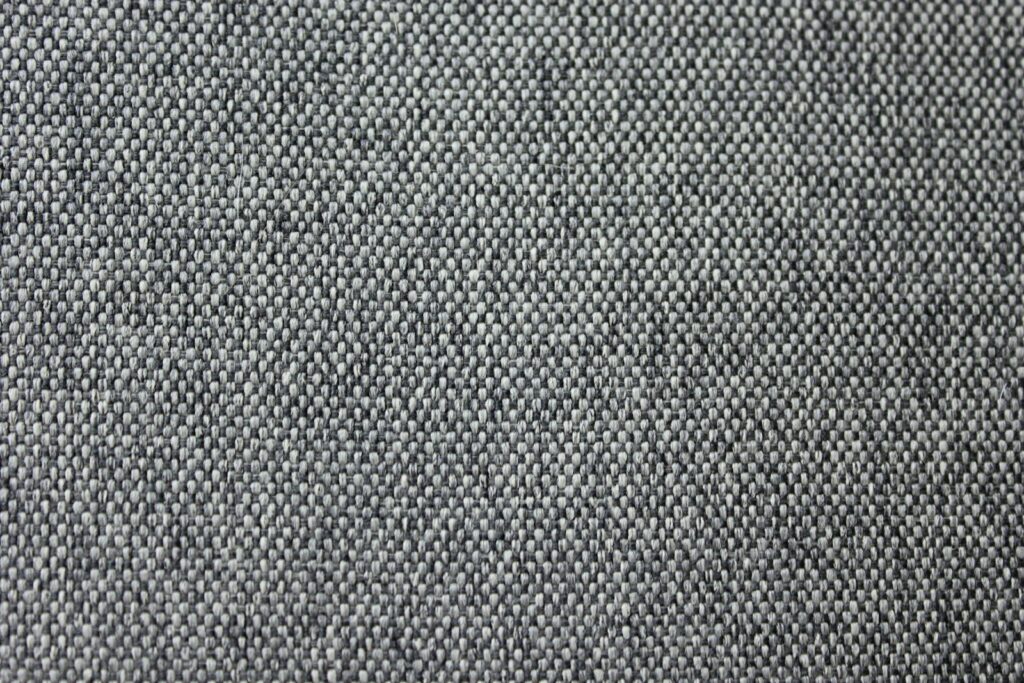
- A soft, slightly irregular weave over a flat, uniform one — the texture is the entire point of a country jacket.
- Colour in the earthier range — olive, rust, stone, soft brown — which forgives the inevitable mark or crease better than anything paler.
Building around the jacket
A country jacket rarely works as a standalone piece; it is one part of a considered rotation. Anyone assembling one should think about how it sits alongside the rest of weekend jacket fabrics more broadly, since the two categories overlap heavily — a good country jacket often simply is the weekend jacket, worn slightly more often and slightly more casually. Pairing it with the right knitwear underneath matters too; a fine Shetland wool knit gives the same textural richness as the jacket itself without adding real warmth, which is exactly the balance a tropical wardrobe needs.
“The fabric does the talking in a country jacket,” a tailor working across the region noted. “You’re not selling a silhouette, you’re selling a texture. Get that wrong and no amount of good cutting saves it.”
Caring for natural-fibre jackets in the heat
Humidity is unkind to natural fibres if they are stored carelessly. Country jackets in tweed, cotton or corduroy should hang on a proper wooden or curved hanger with space around them, never crushed into a packed wardrobe where trapped moisture encourages mildew. Air them outdoors — never in direct sun — after a day of heavy wear, and have them cleaned sparingly; dry cleaning strips natural oils from wool and cotton alike, and most marks lift with a damp cloth and patience rather than a full clean.
The country jacket, done properly for a tropical wardrobe, is really an exercise in restraint: lighter weights, natural fibres, and fabrics chosen for how they age rather than how they photograph on a hanger. Get the cloth right and the jacket earns its keep for a decade; get it wrong, and even the best cut in the world cannot save it from a life spent hanging, unworn, at the back of the wardrobe.
A related consideration: the field jacket alternative
For those who want the same rugged texture with a slightly more structured, sportier line, it is worth comparing notes with the field jacket, which shares much of the same fabric logic — natural fibres, moderate weight, an earthy colour palette — but sits at a slightly more casual point on the spectrum. Trying both before committing to one is the surest way to find which silhouette actually earns its place in a Singapore wardrobe.
Colour and how it reads against fabric
Fabric choice and colour cannot really be separated in a country jacket, because the same texture reads differently depending on the tone it is dyed or woven in. A herringbone tweed in pale oatmeal looks considerably lighter and more contemporary than the identical weave in a heavy bottle green, even though the cloth weight is unchanged. For a tropical wardrobe, lighter and warmer tones generally serve better — they photograph well against the strong equatorial light, hide the inevitable coffee mark or crease more forgivingly, and pair more easily with the pale trousers most Singapore wardrobes lean towards for comfort in the heat.
It is worth resisting the temptation to buy a country jacket in a colour purely because it looked striking on a hanger or a mannequin under shop lighting. Ask to see the fabric in daylight, ideally near a window, since the fluorescent lighting common in many tailoring shops can flatten a rich rust tone into something closer to brown, or make an olive read almost grey. A jacket bought under the wrong light is one of the more common and avoidable regrets in building a considered wardrobe. These are the kinds of small, considered details we return to often across Style & Watches, where fabric, cut and colour are treated as inseparable decisions rather than sequential ones.
Daniel has spent fifteen years arguing that the best watch is the one you never take off.