The Enduring Style of the Guernsey Sweater
Tightly knitted, seamless and originally built to keep fishermen dry. The Guernsey sweater remains one of menswear's most honestly useful garments.
 By Daniel Koh
30 August 2026 · 6 min read
Certain garments carry their working history so plainly in their construction that no amount of fashion reinvention can entirely disguise it, and the Guernsey sweater is one of the clearest examples. Named for the Channel Island where the knit is traditionally associated, it was built for a genuinely hard job — keeping fishermen warm and reasonably dry through long hours at sea — and nearly everything distinctive about the garment traces back to that original, uncompromising brief.
The Seamless Construction That Defines It
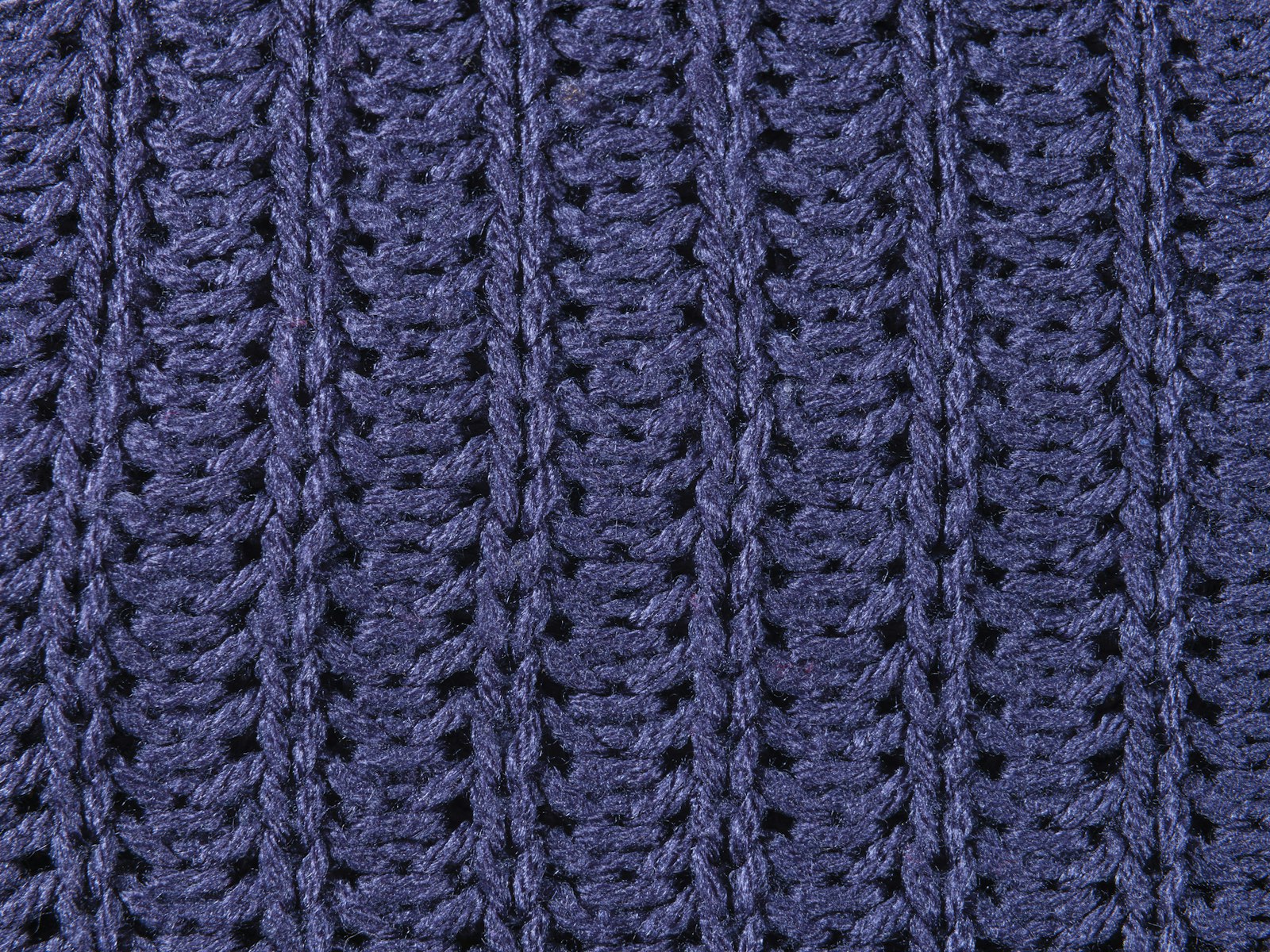
A true Guernsey is knitted in the round on circular needles, producing a seamless tube for the body with the sleeves picked up and knitted directly from the body rather than knitted separately and sewn on afterward. This construction eliminates the shoulder and side seams found on most conventional sweaters, removing weak points where water could penetrate and where friction from oilskins or nets might eventually cause wear. The result is a garment with a genuinely different structural integrity from an ordinary knit — denser, tighter, and considerably more resistant to both wind and water than the loose gauge common in casual knitwear today.
The wool itself is traditionally a tightly spun, slightly oiled yarn, retaining some of the lanolin naturally present in raw wool, which contributes further to the garment’s water resistance. This is a meaningfully different fibre treatment from the softer, more processed wool used in most contemporary knitwear, and it is part of why a genuine Guernsey feels distinctly firmer and more substantial in the hand than a typical jumper.
Reading the Stitch Patterns
Traditional Guernseys often incorporate textured stitch patterns across the chest and upper body — cables, moss stitch, and rope patterns worked into an otherwise plain knit. These patterns were not purely decorative; regional and even family-specific patterns are said to have served a practical identifying purpose historically, though the extent of this tradition has likely been somewhat romanticised over generations of retelling. What is certain is that the patterning adds a further layer of density to the knit precisely where a fisherman’s chest would be most exposed to wind and spray, combining decoration with genuine function in a way typical of working-class garments built before fashion and utility were treated as separate concerns.
What to Look For in a Genuine Guernsey
- A seamless, circular-knit construction with sleeves picked up rather than sewn on
- A tight, dense gauge that feels notably firmer than typical casual knitwear
- A traditionally cut, slightly boxy silhouette rather than a modern slim fit
- Underarm gussets, a small diamond-shaped panel that allows greater freedom of movement
How the Guernsey Differs from the Fisherman Sweater More Broadly
The Guernsey is sometimes used interchangeably with the broader category of fisherman or Aran-style sweaters, though genuine distinctions exist between regional knitting traditions. The Aran sweater, associated with Ireland’s west coast, tends toward a heavier, more elaborately cabled construction and a lighter, more textured wool than the tighter, plainer Guernsey. Both share working origins and a similar seamless construction philosophy, but the visual and textural differences are worth understanding for anyone choosing between them. Our companion piece on the enduring style of the fisherman sweater covers this related tradition in more depth, useful reading alongside a Guernsey purchase.
Wearing a Guernsey Today
Away from its maritime origins, the Guernsey has settled comfortably into contemporary casual wardrobes, worn much as it always was — over a shirt with the collar showing, under a waxed jacket or oilskin-inspired coat, or simply alone with jeans or cords for genuinely cold weather. Its boxy, unstructured silhouette pairs naturally with a slightly rugged, workwear-adjacent wardrobe rather than fine tailoring, and attempting to dress it up too far tends to work against the garment’s essential, honest character. It shares much of that working heritage with the enduring seaman’s sweater, a close cousin in maritime knitwear.
A knitter in Guernsey once told me the sweater was “built to be worn until it fell apart, and then mended, not replaced” — a genuinely different philosophy from most of what fills a wardrobe today.
For those building out a broader knitwear collection around this working heritage, our guide to the knitwear worth investing in offers useful context on which pieces genuinely reward a higher spend, and our roundup of the best tweed and country jackets pairs naturally as outerwear over a Guernsey through the colder months.
Caring for a Genuine Wool Guernsey
The dense, tightly spun wool that gives a Guernsey its structure also demands careful laundering — hand washing in cool water with a gentle wool-specific detergent, and drying flat rather than hanging, which prevents the considerable weight of a wet wool garment from stretching the knit out of shape. Machine washing, even on delicate settings, risks felting the dense wool in a way that permanently alters the garment’s texture and fit. Properly cared for, a genuine Guernsey can reasonably be expected to last decades, a claim few modern knitwear garments can credibly make.
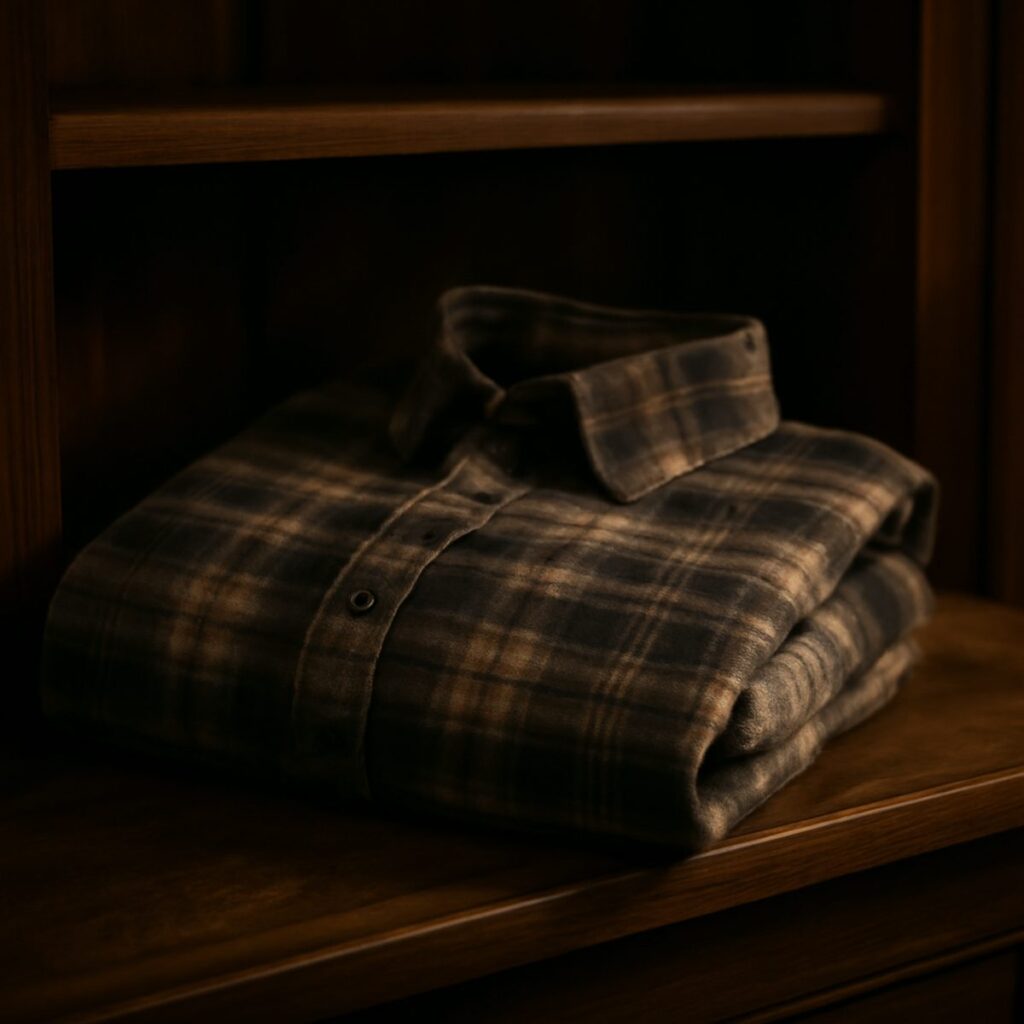
Storage matters nearly as much as washing. Folding rather than hanging preserves the shoulder shape of a heavy knit far better over a long storage period, since the weight of a hung wool sweater will gradually stretch the shoulders and neckline out of true. A drawer or shelf, ideally with a cedar block or lavender sachet to discourage moths, is the standard advice for any genuine wool garment intended to last years rather than a single season, and a Guernsey’s density makes it a particularly attractive target for moths if left unprotected during warmer months when it is not in regular use.
Buying New Versus Sourcing an Original
A number of small knitwear makers, particularly those with genuine ties to the Channel Islands and similar fishing communities, continue to produce Guernseys using traditional methods and machinery largely unchanged from decades past. These pieces command a genuine premium over mass-produced imitations, and the difference in hand-feel and construction is usually immediately apparent when comparing the two side by side — a properly made Guernsey has a density and structure that a loosely knitted, machine-produced approximation simply cannot replicate regardless of price positioning.
Vintage originals occasionally surface through specialist dealers and estate sales, and a well-preserved example, even decades old, can outperform a poorly made new sweater by a considerable margin given the durability the original construction was built to deliver. Evaluating a vintage piece involves checking the density of the knit, the condition of the underarm gussets, and whether any repairs have been made using techniques consistent with the original construction, since a poorly executed repair can compromise the very seamless integrity that makes a Guernsey what it is.
Our wider Style & Watches section covers further considered wardrobe pieces built to reward this kind of long-term investment and care.
Daniel has spent fifteen years arguing that the best watch is the one you never take off.