The Best Everyday Qiviut and Musk-Ox Knits
Qiviut, the underdown of the Arctic musk ox, is warmer than wool and softer than cashmere. Here is what makes it worth seeking out, and how to buy it well.
 By Daniel Koh
1 September 2026 · 5 min read

Somewhere in the crowded hierarchy of luxury fibres, above cashmere and beyond even vicuña, sits qiviut — the fine, downy underwool of the Arctic musk ox, shed naturally each spring and gathered largely by hand from the tundra or from managed herds. It is, by most objective measures, one of the warmest natural fibres known: reportedly several times warmer by weight than sheep’s wool, softer than cashmere, and entirely without the itch factor that keeps many people away from wool jumpers altogether. It is also genuinely rare, which explains both its price and its relative obscurity outside serious knitwear circles.
Why qiviut performs the way it does
The musk ox survives some of the harshest sustained cold on the planet, and its underdown has evolved specifically to trap warmth with extraordinary efficiency relative to its weight. Unlike sheep’s wool, qiviut fibres carry minimal lanolin and do not felt or shrink the way conventional wool can, which makes garments made from it both easier to care for and remarkably lightweight for the warmth they provide. A qiviut jumper, worn under a coat on a genuinely cold day, does a disproportionate amount of thermal work for how little it weighs in a suitcase or on the shoulders, a quality that matters considerably to anyone who packs light but still genuinely wants to be properly warm on eventual arrival.
The trade-off is scarcity. A single musk ox produces only a small quantity of usable qiviut each year, and much of the fibre is still hand-collected during the natural spring moult rather than sheared, which keeps supply chains slow and yields low. This is precisely why qiviut garments command prices well above most cashmere, and why buyers should expect a correspondingly considered, small-batch production process behind any genuine example rather than a mass-manufactured line.
What to look for when buying
- Confirmation of qiviut content and percentage — many “musk-ox” branded garments blend in other fibres, and it is worth knowing the actual ratio before paying a premium price
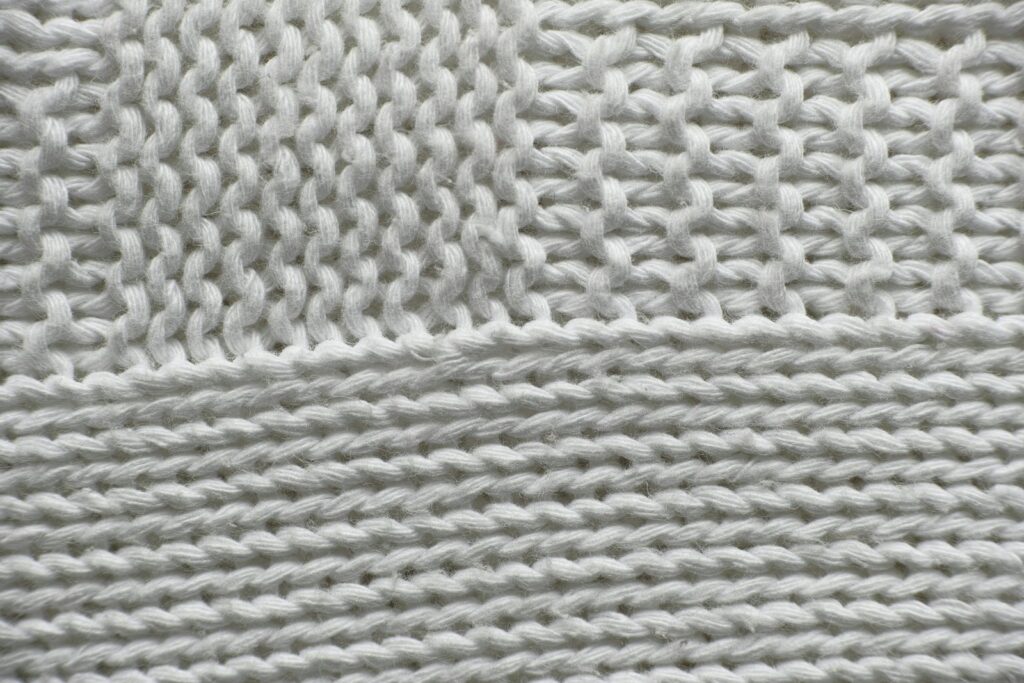
- A relatively fine, tight knit gauge, which showcases the fibre’s natural loft and softness better than a bulky, chunky construction
- Provenance from a reputable co-operative or small producer, given how much of global supply still depends on ethical, small-scale collection practices
- Honest expectations about colour — qiviut typically comes in natural, undyed tones ranging from pale grey to deep brown, since the fibre does not take synthetic dye especially well
How it compares to other rare-fibre knits
Qiviut sits within a small, exclusive category of ultra-rare animal fibres worth understanding together. Against guanaco and other rare-fibre knits, qiviut offers superior warmth-to-weight performance, though guanaco tends to have a slightly more structured hand. Against vicuña knits, long considered the pinnacle of luxury fibre, qiviut is arguably the warmer performer of the two, even if vicuña retains the greater cachet among traditional collectors.
None of these fibres should be bought purely for status. Each performs a genuinely distinct thermal and tactile role, and a considered collector builds toward variety across a few pieces rather than treating any single rare fibre as an automatic upgrade over the others.
“I wore mine on a work trip to somewhere properly cold and genuinely forgot I had a jumper on under my coat until I took the coat off — that’s the whole appeal in one sentence,” one Singapore-based collector said of a first qiviut purchase.
Caring for a qiviut piece
Despite its rarity, qiviut is comparatively low-maintenance. It resists odour and static better than most wool, rarely needs frequent washing, and when it does require cleaning, a gentle hand wash in cool water with a wool-specific detergent, followed by flat drying away from direct heat, is generally sufficient. Storage in a breathable garment bag, ideally with cedar rather than mothballs, protects the investment between wears.
Understanding qiviut properly means situating it within the broader category of knitwear genuinely worth investing in, where fibre rarity, construction quality, and actual wearability all factor into whether a piece earns its price. A comparison against a good Shetland wool knit is instructive too — Shetland remains an entirely reasonable, far more affordable everyday choice, and understanding what it does well makes it easier to judge exactly what qiviut adds at the far more rarefied end of the spectrum.
Where qiviut actually earns its place
For a traveller based somewhere like Singapore, a genuinely warm rare-fibre jumper might seem like an odd investment, but it earns its keep precisely on the trips that call for it — a business visit somewhere properly cold, a ski holiday, or simply an evening flight where cabin temperatures drop further than most travellers expect. Because qiviut packs down so lightly relative to the warmth it provides, it solves a genuine practical problem for a warm-climate wardrobe that otherwise has little reason to own heavy winter knitwear at all.
It is also worth considering as a piece that ages exceptionally well rather than one bought for a single trip. Properly cared for, a qiviut jumper can remain in genuinely excellent condition for decades, making the initial outlay considerably easier to justify when measured against cost per wear over a long ownership period rather than the sticker price alone. Unlike many status purchases, it also tends to reveal its quality only on close inspection, appealing to buyers who prefer their most considered purchases to stay relatively quiet rather than announce themselves loudly to a room.
Is it worth the price
For a wardrobe built around genuine quality over quantity, a single qiviut piece — likely a fine roll-neck or crew-neck jumper rather than anything more elaborate — earns its keep through decades of use rather than seasons. It is not a purchase to make lightly, but for the traveller who genuinely feels the cold, or the collector drawn to fibres with real scarcity behind them, few materials in modern menswear offer as persuasive a case. The wider Style & Watches archive covers more of the season’s most considered knitwear.
Daniel has spent fifteen years arguing that the best watch is the one you never take off.