The Rhodochrosite and Rose-Stone Dial
Rhodochrosite brings a banded, almost painterly pink to a watch dial unlike anything achievable with lacquer or enamel. Here is what makes it worth seeking out.
 By Daniel Koh
1 September 2026 · 6 min read
By Daniel Koh
1 September 2026 · 6 min read
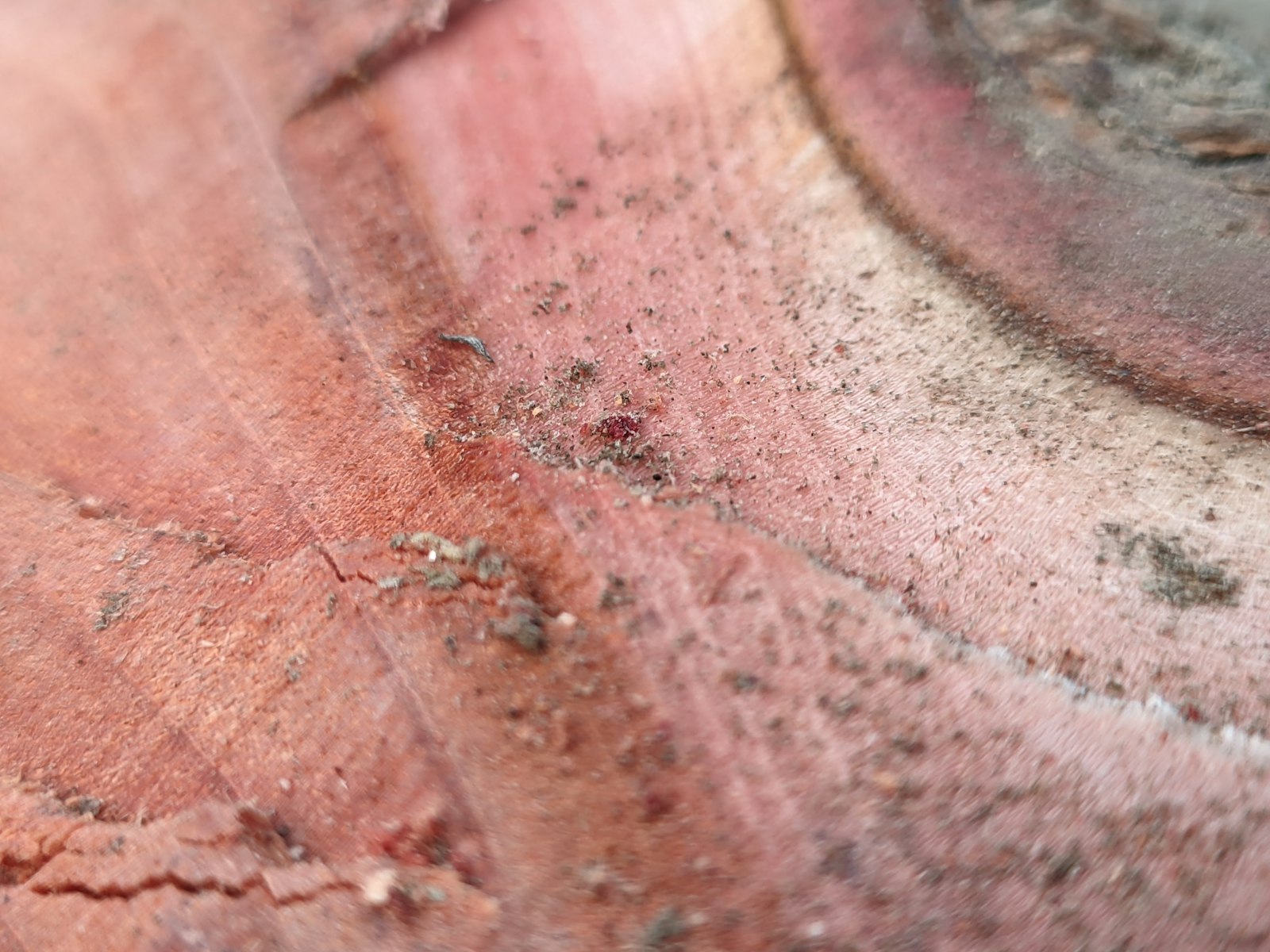
Stone dials occupy a strange, wonderful corner of watchmaking, where a craft normally obsessed with millimetre-precise engineering yields entirely to the whims of geology. No two slices of rhodochrosite look quite the same, and that is precisely the appeal. This manganese carbonate mineral, found in a handful of locations worldwide and prized for its distinctive banding, produces a dial that ranges from pale, milky pink through to a deep, almost translucent rose, veined with concentric rings that no printing process could ever replicate. For collectors drawn to the idea of wearing something genuinely singular, a rhodochrosite dial is among the most compelling arguments watchmaking has to offer.
What makes rhodochrosite distinctive
The stone’s defining feature is its banding — layered growth rings, formed over geological time, that appear on a cut cross-section as concentric arcs of varying pink intensity. Cut a slab from one part of a specimen and the pattern might read as tight, precise rings; cut from another part of the same piece and the bands loosen into something closer to a watercolour wash. This variability means a watchmaker sourcing rhodochrosite dials is, in effect, curating rather than manufacturing — each slice selected for how well its particular pattern suits the dial’s proportions and the placement of hour markers.
Working with the material demands real skill. Rhodochrosite is comparatively soft as gemstones go, and cutting it thin enough for a watch dial — typically well under a millimetre — without fracturing the stone requires the same patience and precision associated with the finest enamel work, just applied to a material with an entirely different set of physical constraints.
How it compares to other stone dials
- Against malachite, rhodochrosite trades that stone’s dramatic green banding for a considerably softer, warmer palette
- Against lapis lazuli, it offers a gentler, more romantic register than lapis’s dense, almost velvety blue
- Against printed or lacquered pink dials, it offers genuine geological variation rather than a uniform, repeatable colour
Collectors building a stone-dial collection often gravitate toward rhodochrosite specifically as a counterpoint to cooler stones already in a collection — its warmth reads differently on the wrist depending on the season and even the light of a particular room, a quality flat-printed dials simply cannot offer. Its pink tones sit especially well within a warm case, as our look at the best rose-gold watches suggests.
Placing it within the wider warm-stone family
Rhodochrosite sits naturally alongside the carnelian and other warm-stone dials that have found favour with collectors seeking colour beyond the conventional black, white, or blue. Both stones share a warm, earthy register, though carnelian tends toward a more uniform orange-red while rhodochrosite’s banding gives it a visibly more complex surface.
For collectors curious about the broader category of natural stone dials, it is worth reading alongside the jade and nephrite dial, which shares rhodochrosite’s reliance on genuine mineral variation rather than manufactured consistency — the two stones occupy opposite ends of the colour spectrum but the same philosophical territory within watchmaking.
“Every rhodochrosite dial I’ve handled has been slightly different from the last, and that inconsistency is the entire point,” one independent dial-maker said of sourcing the stone for a small production run.
Caring for a stone dial
Stone dials require a gentler hand than their metal or lacquered counterparts. Extreme temperature swings can, in rare cases, stress a thin stone slice enough to cause micro-fractures, and direct impact — a knock against a hard surface — poses a real risk that a conventional dial would simply shrug off. Servicing should always be entrusted to a watchmaker experienced with stone dials specifically, since removing and reinstalling a rhodochrosite dial without the right technique risks damage that cannot be reversed.
It is also worth understanding, before buying, that a stone dial will never behave quite like a printed one when it comes to legibility in low light — most rhodochrosite dials rely on applied metal markers and hands for contrast, rather than lume, which suits a dress-leaning watch better than one intended for genuinely low-light practical use.
Understanding the wider dial vocabulary
Rhodochrosite is best understood as one entry within a much larger conversation about how dials are made and finished, covered more broadly in our guide to watch dials and textures. Reading the two together gives a fuller picture of where natural stone sits relative to guilloché, lacquer, and enamel — the other principal ways a watchmaker chooses to give a dial genuine character rather than defaulting to flat, uniform colour.
Where the stone comes from
Rhodochrosite deposits suitable for dial-grade cutting are genuinely scarce, concentrated in only a handful of mining regions worldwide, which means supply has always run well behind demand once a watchmaker introduces a rhodochrosite reference. This scarcity is not manufactured for marketing purposes the way limited editions sometimes are; it is a straightforward function of geology, and it means prices for the finest examples — pieces with strong, well-centred banding and minimal inclusion — have climbed steadily as more independent watchmakers have discovered the material over the past decade.
Buyers should be aware that not all rhodochrosite is equal. The most prized slices show tight, concentric banding radiating cleanly from a central point; lower grades can appear cloudy, unevenly coloured, or marked with visible fractures filled during the cutting process. A reputable dealer or watchmaker will be transparent about which grade a particular dial represents, and it is worth asking directly rather than assuming uniform quality across a product line. Provenance, where a maker can offer it, adds a further layer of interest — a dial cut from a specimen with a documented mining origin tends to hold both story and value considerably better than one sold with no history attached at all.
For a collector weighing a first stone dial, rhodochrosite makes a genuinely persuasive case: warm enough to wear comfortably across most of the year, distinctive enough to start a conversation, and geologically unrepeatable in a category of watchmaking where true rarity is increasingly hard to find. The wider Style & Watches archive covers more of the dial materials worth knowing before a next purchase.
Daniel has spent fifteen years arguing that the best watch is the one you never take off.