The Best Rose-Gold Watches, Reconsidered
Rose gold fell out of favour for being loud, then quietly proved the opposite. A guide to wearing the warmest of the precious metals with real restraint.
 By Daniel Koh
30 August 2026 · 6 min read
By Daniel Koh
30 August 2026 · 6 min read
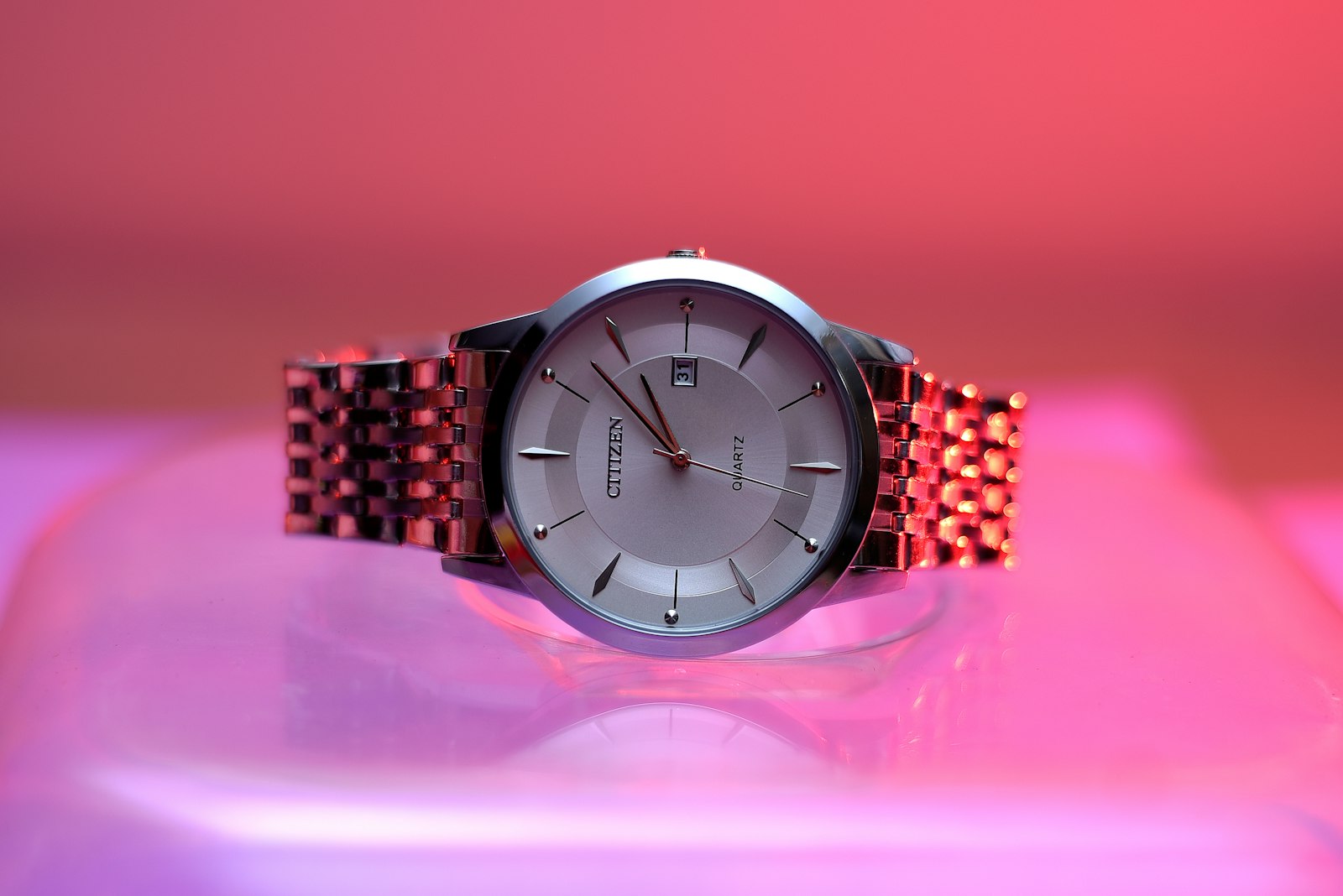
Rose gold spent a strange decade being treated as the showy cousin of yellow and white gold — the metal reached for by watches that wanted attention rather than admiration, its warm pink cast read by some as flashy rather than refined. That reputation has aged poorly, and rightly so. Worn with any real restraint — a smaller case, a simple dial, a strap that does not compete for attention — rose gold is arguably the most flattering of the precious metals against skin, its warm undertone doing something a colder white or yellow metal simply cannot.
What changed, more than the metal itself, was the case size and design language surrounding it. Rose gold on a large, heavily embellished case reads exactly as loud as its critics once claimed; the same alloy on a slim, restrained case reads almost the opposite — understated, considered, quietly expensive rather than obviously so.
What Rose Gold Actually Is
Rose gold is not a naturally occurring colour of gold but an alloy, pure gold mixed with a higher proportion of copper than either yellow or white gold formulations use, which is precisely what gives it that distinctive warm pink cast. The exact ratio varies by manufacturer and desired shade, with a higher copper content producing a deeper, more pronounced pink, and a lower content edging closer to a warm champagne tone closer to traditional yellow gold. This variability means two watches both labelled “rose gold” can look meaningfully different side by side, and it is worth comparing samples in person rather than trusting a single product photograph.
The alloy label matters practically, too. Higher-purity gold alloys are softer and, over years of daily wear, more prone to fine surface scratching, while lower-purity formulations trade a small amount of value retention for genuine everyday durability. Manufacturers rarely advertise this trade-off prominently, so it is worth asking directly about the specific alloy composition before committing to a purchase, particularly for a watch intended for genuine daily wear rather than occasional, careful use.
It is also worth understanding how rose gold behaves alongside gemstones and diamond settings, which remain common on more formal pieces. The warm undertone of the metal tends to flatter warmer stone colours — champagne, brown and cognac diamonds in particular — while classic white diamonds can occasionally read slightly cooler and more contrasted against a rose-gold setting than they would against white gold or platinum. Neither pairing is objectively better, but it is a genuine visual difference worth seeing in person before choosing a stone-set piece.
The copper content also affects the metal’s hardness slightly, making rose gold marginally more scratch-resistant than pure yellow gold in most formulations — a small practical advantage alongside its aesthetic appeal, though not one that should override proper case protection and careful handling regardless of alloy.
Pairing It With Restraint
The case for rose gold’s rehabilitation rests almost entirely on pairing it with genuine simplicity elsewhere in the design. A slim case, a matte or lightly textured dial in a neutral tone, hands and markers that do not compete for attention with the case metal itself — this combination lets the warmth of the gold read as sophistication rather than statement. Compare this against the considered case for blue dial watches, where the dial colour itself carries the visual interest; rose gold works best in the opposite arrangement, where the case does the talking and the dial stays quiet.
What separates restrained rose gold from showy rose gold
- A case diameter kept modest rather than maximal, letting the metal’s warmth register without visual excess
- A simple dial finish — matte, sunburst or lightly textured — rather than heavy embellishment competing with the case
- A strap in leather or fabric rather than a full metal bracelet, which softens the overall effect considerably
A jeweller who has worked almost exclusively with precious-metal cases for three decades described the shift bluntly: “People used to buy rose gold to be seen. Now the ones who understand it buy it because it looks better against their own skin than anything else does.” It is a reasonably accurate summary of how the metal’s reputation has evolved.
Rose Gold Alongside Other Warm Finishes
Rose gold sits within a broader family of warm-toned watch finishes that have gained real ground over recent years. The bronze watch and its distinctive patina shares something of rose gold’s warm register, though bronze earns its character through deliberate ageing and oxidation rather than a fixed, unchanging alloy colour — a useful comparison for anyone drawn to warm tones but undecided on whether they want a metal that stays constant or one that visibly evolves with wear.
“Rose gold against most skin tones does something white metal simply cannot — it looks less like jewellery and more like it belongs there.” — a jeweller, on the metal’s underrated versatility
Two-Tone and Mixed-Metal Options
For those hesitant to commit to a full rose-gold case, mixed-metal versions offer a genuinely useful middle ground — a steel case with rose-gold accents on the bezel or crown, delivering a hint of that warmth without the full commitment or expense of a solid-gold case. The case for two-tone watches, reconsidered fairly covers this territory well, and the combination has aged considerably better than its slightly dated reputation from decades past would suggest.
Rose-gold plating and PVD coatings have also improved considerably in recent years, offering a genuine entry point into the look at a fraction of the cost of solid gold, though buyers should understand that even the best coatings will eventually show wear at contact points like the case back and clasp, typically after several years of regular use. This is not necessarily a dealbreaker — some owners rather like the way a plated finish ages, showing a hint of the steel beneath at the edges — but it is worth knowing before you buy rather than discovering with disappointment later.
Buying With Confidence
Try any rose-gold watch against your own wrist in natural daylight rather than under a jeweller’s warm showroom lighting, which can flatter every metal equally and obscure genuine differences in tone. Consider your own skin’s undertone too — rose gold tends to flatter warmer skin tones particularly well, though a well-chosen shade can suit almost anyone provided the rest of the watch stays appropriately restrained. Consider the strap and bracelet options carefully as well; a rose-gold case on a matching solid bracelet reads considerably more formal and, for some tastes, more overtly luxurious, while the same case on a simple leather or woven strap softens the whole effect into something you could reasonably wear every day without a second thought. Get the balance right, and rose gold rewards the wearer with a warmth no other precious metal quite replicates. For more on the metals and finishes worth understanding, browse our Style & Watches coverage.
Daniel has spent fifteen years arguing that the best watch is the one you never take off.