The Best Fabrics for a Country Suit
The country suit has a fabric vocabulary all its own. Here is what separates tweed from flannel from cavalry twill, and how to wear the look without costume.
 By Daniel Koh
31 August 2026 · 7 min read
By Daniel Koh
31 August 2026 · 7 min read
The country suit occupies an odd position in a modern, largely urban wardrobe. Few of us actually spend our weekdays on an estate, and yet the appeal of the look — sturdy, textured, unmistakably purposeful — has never really faded. The trick to wearing it well, whether for an actual weekend away or simply as a change of register from city tailoring, lies almost entirely in the fabric. Get that right and the rest of the suit takes care of itself.
Tweed: the fabric that defines the genre
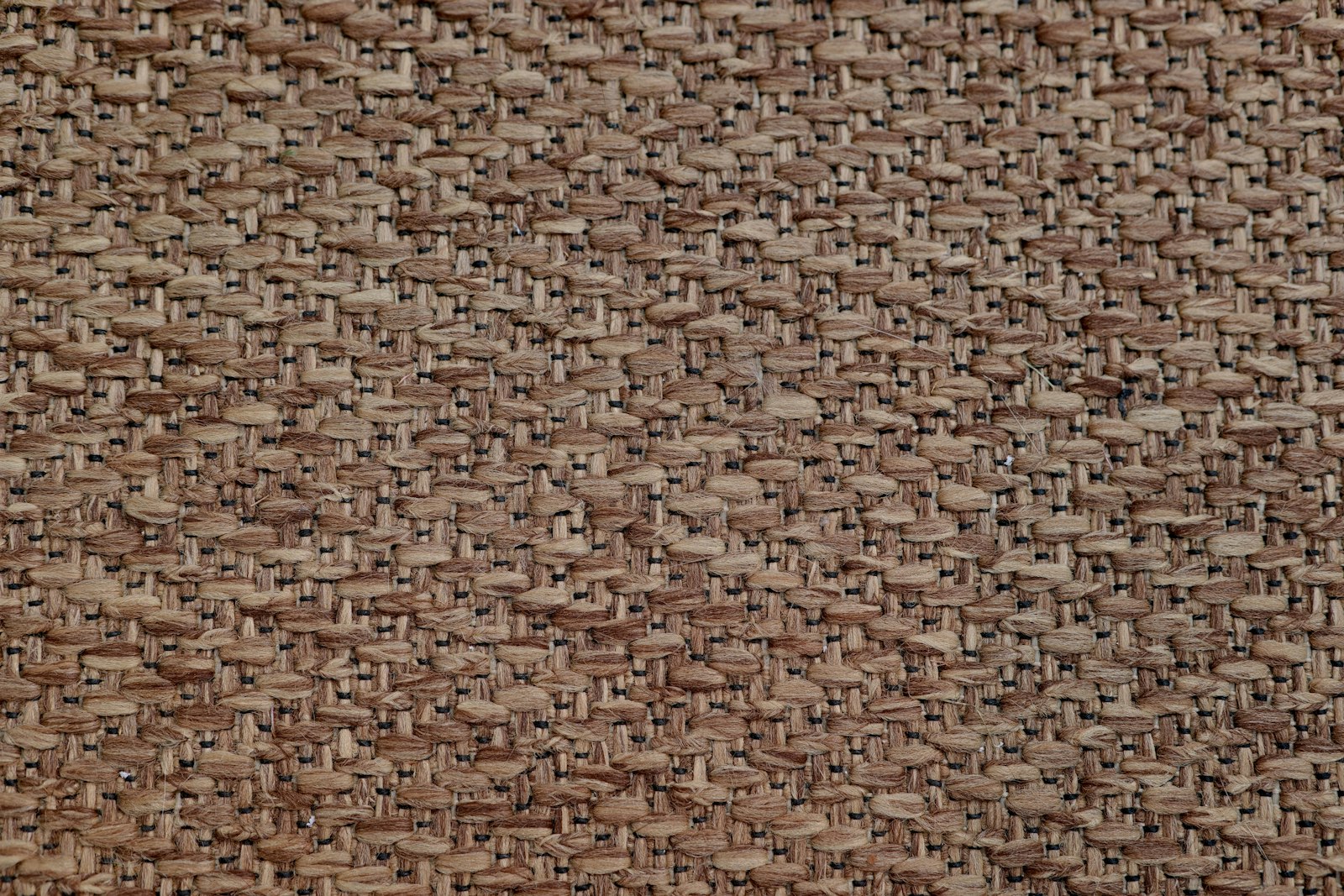
No fabric is more synonymous with country tailoring than tweed, and for good reason. Woven from carded wool with a rough, textured hand, tweed was developed for warmth and durability in wet, cold conditions, and it still performs that role better than almost anything else. Herringbone and houndstooth are the two patterns most people picture, but plain twill and the flecked, multicoloured weaves particular to certain regions are equally traditional.
The weight of a tweed matters enormously to how it wears. A heavier tweed, in the range of 450 to 550 grams per metre, has real structure and holds a jacket’s shape beautifully, but it is genuinely too warm for daily wear in Singapore outside an air-conditioned interior. A lighter tweed, closer to 350 grams, retains the texture and character of the fabric while being considerably more forgiving in a tropical climate — the better choice for anyone wanting the look without booking a flight to somewhere colder first.
Flannel, for softness underfoot
Where tweed is textured and rugged, flannel is soft and matte, with a brushed finish that mutes the weave almost entirely. Flannel trousers paired with a tweed jacket is one of the most enduring combinations in country dressing, precisely because the two fabrics contrast in hand while sharing a similar visual weight and colour family. A mid-grey or soft brown flannel trouser works particularly well against a herringbone or houndstooth jacket, giving the eye somewhere to rest.
As with tweed, weight is everything. Traditional flannel can run heavy, but lighter worsted flannels, sometimes blended with a touch of cashmere for extra softness, have made the fabric considerably more wearable outside genuinely cold climates.
Cavalry twill and whipcord, for structure
Less commonly seen but worth knowing, cavalry twill and whipcord are diagonally ribbed worsted wools, originally developed for riding wear because of their durability and resistance to abrasion. They hold a crease exceptionally well and read as slightly more formal than tweed, without losing the country association entirely. A cavalry twill trouser, worn with a tweed jacket, is a favourite combination among those who want the country register with a touch more polish.
A quick fabric primer for country tailoring
- Tweed — textured, rustic, the defining country fabric; choose a lighter weight for warmer climates
- Flannel — soft, matte, ideal for trousers under a textured jacket
- Cavalry twill — ribbed, structured, slightly more formal than tweed
- Moleskin — dense cotton with a soft nap, hardwearing and casual, often used for trousers
- Corduroy — ribbed pile cotton, warmer in appearance than it often is in weight, a useful bridge fabric
Corduroy and moleskin: the working cousins
Corduroy and moleskin sit slightly apart from the wool-based country fabrics, being cotton rather than wool, but they belong firmly in the same wardrobe conversation. Both were originally working fabrics, valued for their durability rather than their looks, and both have since been adopted into smarter country dressing without losing that practical character. A moleskin trouser, dense and soft-napped, is arguably one of the most versatile pieces in this entire category — hardwearing enough for genuine outdoor use, smart enough to wear with a blazer in the city.
A country suit should look as though it could survive an actual walk through wet grass, even if its owner’s longest walk that week was from the car park.
Wearing the look convincingly in the tropics
The honest challenge with country tailoring in Singapore is climate, not taste. The fabrics above were developed for damp, temperate conditions, and wearing them faithfully, head to toe, will be uncomfortable here for all but the most heavily air-conditioned settings. The solution most stylish men land on is to borrow the texture and the silhouette while lightening the actual construction: an unlined or half-lined tweed jacket, worn open, over a cotton shirt, with flannel or moleskin trousers rather than a matching jacket-and-trouser suit. This “odd jacket” approach is, in fact, closer to how country tailoring was traditionally worn in any case — a suit reserved for travel, separates for daily use.
For those building a country-leaning wardrobe as one register among several, it pairs surprisingly well with the instincts covered in how to wear tailoring casually, since both approaches are really about breaking a formal wardrobe into flexible, mixable parts rather than fixed, matched outfits. The same logic applies to seasonal fabric choices more broadly — anyone comparing this to the best fabrics for a winter suit will notice real overlap between the two categories, since both prioritise texture and weight over the lighter, crisper cloths used for summer tailoring.
A jacket worth building a wardrobe around
If there is one piece to invest in first, it is a mid-weight herringbone tweed jacket in a mid-brown or olive tone — versatile enough to pair with grey flannel, navy chino, or even denim for a more relaxed take. From there, a moleskin or cavalry twill trouser and a soft-collared shirt round out a look that reads considered rather than costume, whichever side of the equator it is worn on. Anyone drawn to this texture-first approach to dressing will find kindred pieces among the best tweed and country jackets and, for a related silhouette, the art of the check suit, both of which sit comfortably alongside a country wardrobe. Our wider Style & Watches coverage explores this kind of considered, fabric-led dressing in more depth.
Colour and pattern, kept honest
Country fabrics lend themselves to earthy, muted colourways — olive, rust, heather, moss, and a range of soft browns — for the simple reason that these were originally developed to blend into a landscape rather than stand out in a boardroom. Sticking to this palette, even when adapting the look for city wear, keeps the whole exercise feeling authentic rather than costumey. A bright or saturated tweed, however well woven, tends to read as fancy dress rather than considered dressing.
Pattern scale matters just as much as colour. A large-scale check or a bold herringbone reads unmistakably rustic and works best as a single statement piece, paired with entirely plain trousers and a solid shirt. A finer, tighter weave is more versatile and easier to wear in a city setting, since it reads as texture rather than pattern from any distance greater than arm’s length. For a first country jacket, the finer weave is almost always the safer, more useful choice — it will get worn far more often than a bold check that demands the right occasion.
Finally, it is worth remembering that country tailoring was never meant to be precious. These are, at heart, working fabrics, chosen for resilience rather than delicacy, and a good tweed or moleskin only improves with age and use. A jacket that develops a slight sheen at the elbows, or trousers that soften and fade gently at the knee, are not signs of wear to be embarrassed by — they are exactly the patina this category of clothing was always designed to earn.
Daniel has spent fifteen years arguing that the best watch is the one you never take off.