The Best Everyday Watch Straps and Bracelets
The right strap changes a watch more than any other single decision. Here is how to build a small, versatile rotation for Singapore's climate and calendar.
 By Daniel Koh
31 August 2026 · 7 min read
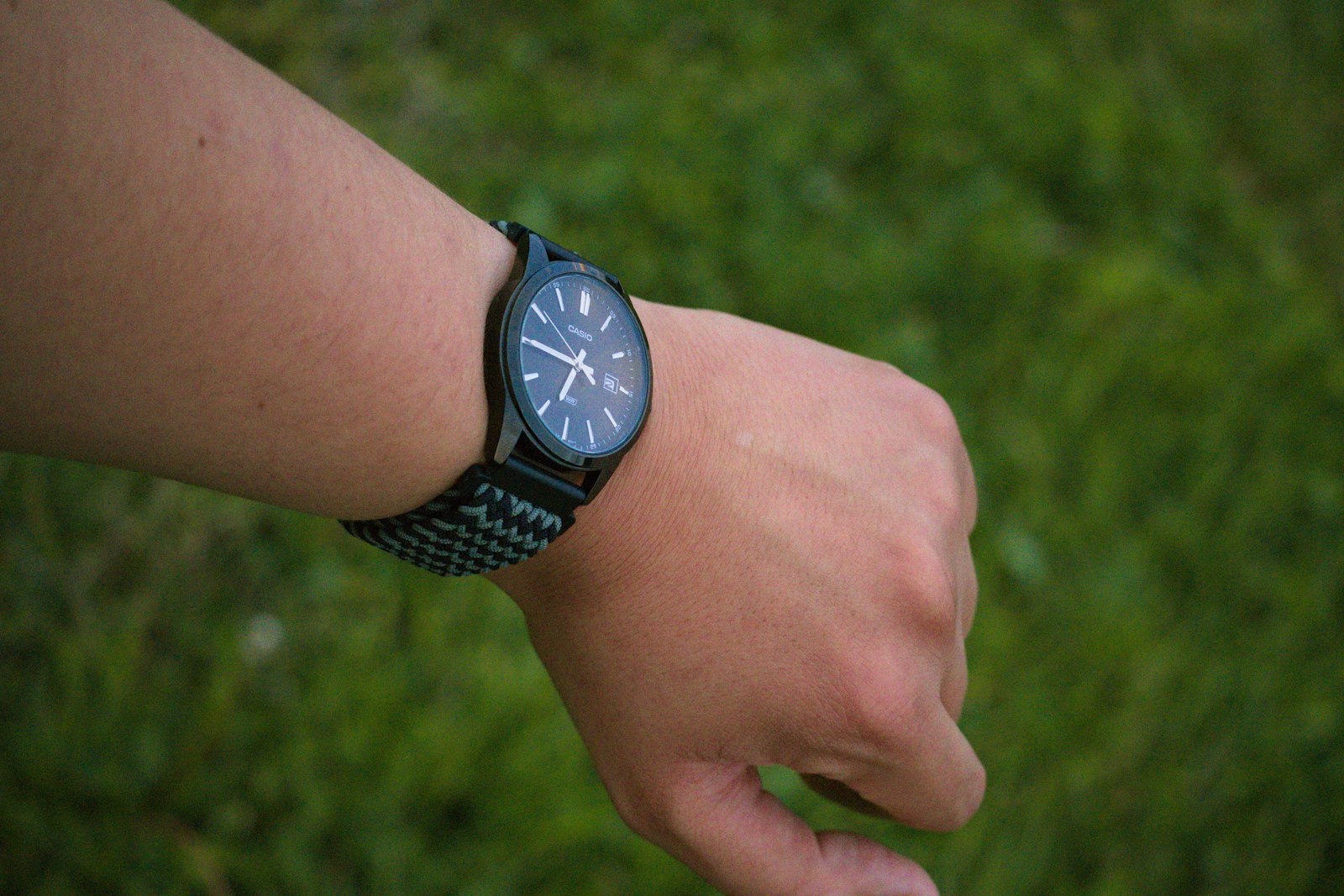
Ask a collector which watch changed their habits most and the answer is rarely a dial or a complication. It is a strap. Swap the bracelet on a familiar piece and the watch reads differently on the wrist, dresses up or down with the rest of an outfit, and either survives Singapore’s humidity or fights it every single day. A strap wardrobe, modest as it sounds, is one of the more useful small investments a person can make in how they get dressed each morning.
The instinct for many is to buy one watch and leave it exactly as it arrived. That is a fine approach for a single dress piece kept for evenings. But for the watch worn five or six days a week, through humid commutes, gym sessions, and the odd downpour, a small rotation of straps does more for longevity and versatility than a second watch ever could.
Start with the metal bracelet
A well-made metal bracelet remains the most practical option for daily wear in this climate. It does not absorb sweat, it rinses clean under a tap, and it ages politely rather than perishing. Oyster-style and jubilee-style links each have a different personality: the former reads sporty and architectural, the latter softer and more dressed. For something with real presence, the Milanese mesh bracelet deserves more attention than it gets. Its fine woven steel drapes rather than clicks into place, sits flush against the wrist, and works surprisingly well under a cuff, which makes it one of the more versatile everyday bracelets on the market. The same attention to small, telling details applies in tailoring, as our piece on the difference in buttonhole stitching shows for those who look closely. Bracelets on the wrist need not stop at the watch, as our guide to everyday jewellery for men explains with the same practical eye.
Fit matters more with a bracelet than with any strap. A loose bracelet swings and catches on cuffs; a tight one leaves marks by evening. Have it sized properly at the point of sale, and revisit the sizing after a few months, since wrists do change slightly with the seasons and with fitness routines.
Rubber and tropic straps for the humid months
For anyone who exercises, swims, or simply sweats through the tropical afternoon, a quality rubber or tropic-pattern strap earns its keep. The better versions are vulcanised rather than moulded from a single generic compound, which means they resist the yellowing and stiffening that cheap rubber develops within a year here. Look for a strap with a slight give and a matte, non-tacky finish; a strap that feels sticky against the skin in the shop will only feel worse after a month of daily wear in this climate. For more on dressing a watch down for days off, see the best weekend watches and casual straps.
Rubber pairs particularly well with dive-leaning pieces and anything with a case that already reads sporty. It is a poor match, generally, for a slim dress watch, where the visual weight of the strap should stay proportionate to a delicate case.
Leather, reconsidered for the tropics
Leather is the strap most people default to for smart-casual dressing, and it remains the most flattering option for a dress watch. The trouble in Singapore is durability: humidity and skin oils shorten the working life of a leather strap considerably compared with a temperate climate. The solution is not to avoid leather altogether but to treat it as a strap for occasions rather than daily grind — meetings, dinners, the rare cooler evening — and to towel it dry after any exposure to rain or sweat. A rubberised or leather-lined strap, where the visible top layer is leather but the lining is a synthetic that resists moisture, is a sensible middle path and increasingly common from specialist strap makers.
Signs a leather strap is finished
- Cracking along the fold at the buckle, which will not reverse with conditioning
- A grey, chalky bloom on the surface that persists after wiping
- An odour that lingers even after airing, a sign moisture has set into the lining
NATO, Perlon, and the case for fabric
The woven NATO strap and its finer cousin, the Perlon, have earned a permanent place in the everyday rotation, and for good reason. Both dry quickly, cost little, and let a single watch head serve as three or four different watches depending on colour and weave. A NATO in navy or olive reads quietly sporty; a Perlon in a neutral grey can pass for something considerably dressier than its price suggests. The one caution is bulk: a NATO doubles the strap material under the case, which adds noticeable height on the wrist. For a thinner case this can look and feel disproportionate, so it is worth trying before committing.
The watch is the constant. The strap is the mood you choose each morning — and in this climate, it is also the decision that keeps the watch wearable at all.
Building a small, sensible rotation
Rather than accumulating straps indiscriminately, a considered collector settles on three: one metal bracelet for the working week, one quality rubber or tropic strap for gym days and weekends by the water, and one leather or fabric option for evenings and cooler occasions. This covers essentially every scenario without the drawer clutter that comes from buying every strap that catches the eye online.
Quick-release spring bars are worth seeking out on any watch bought with a rotation in mind, since they turn a fifteen-minute fiddle with a strap tool into a ten-second swap. Many manufacturers now offer this as standard, and aftermarket spring bars can be fitted to older pieces by most watchmakers or jewellers at minimal cost.
For anyone assembling a first serious watch alongside its straps, it is worth thinking about proportion and daily use as much as brand. A piece that reads well on an everyday moonphase watch or a robust field piece will accept a far wider range of strap styles than a very dressy, delicate model, which narrows the sensible options considerably. If in doubt, understanding lug width and strap proportion before buying saves a good deal of trial and error later.
The bracelet-versus-strap decision also ties into how a watch is cared for more broadly. Rotating straps reduces wear on any single component and gives a watch the chance to air out between wears, which matters more in a humid climate than most owners realise. For those building a longer-term relationship with a single good watch, proper care of a luxury watch and a thoughtful strap rotation tend to go hand in hand — the watch that gets rested and rotated simply lasts longer, mechanically and aesthetically.
None of this needs to be complicated or expensive. A handful of well-chosen straps, bought once and looked after, will outlast several cheap alternatives and let one good watch do the work of three. As with most things in a considered wardrobe, the aim is not more, but the right few — and, as we have argued before, the watch strap changes everything about how a piece is worn day to day. For more on building out a considered collection, our Style & Watches section covers the pieces worth the investment and the details worth knowing before you buy.
Daniel has spent fifteen years arguing that the best watch is the one you never take off.