Understanding the Difference in Buttonhole Stitching
Of all the small tells that separate real tailoring from the rest, the buttonhole may be the most honest. Here is how to read one, and why it is worth reading.
 By Daniel Koh
2 September 2026 · 6 min read
By Daniel Koh
2 September 2026 · 6 min read
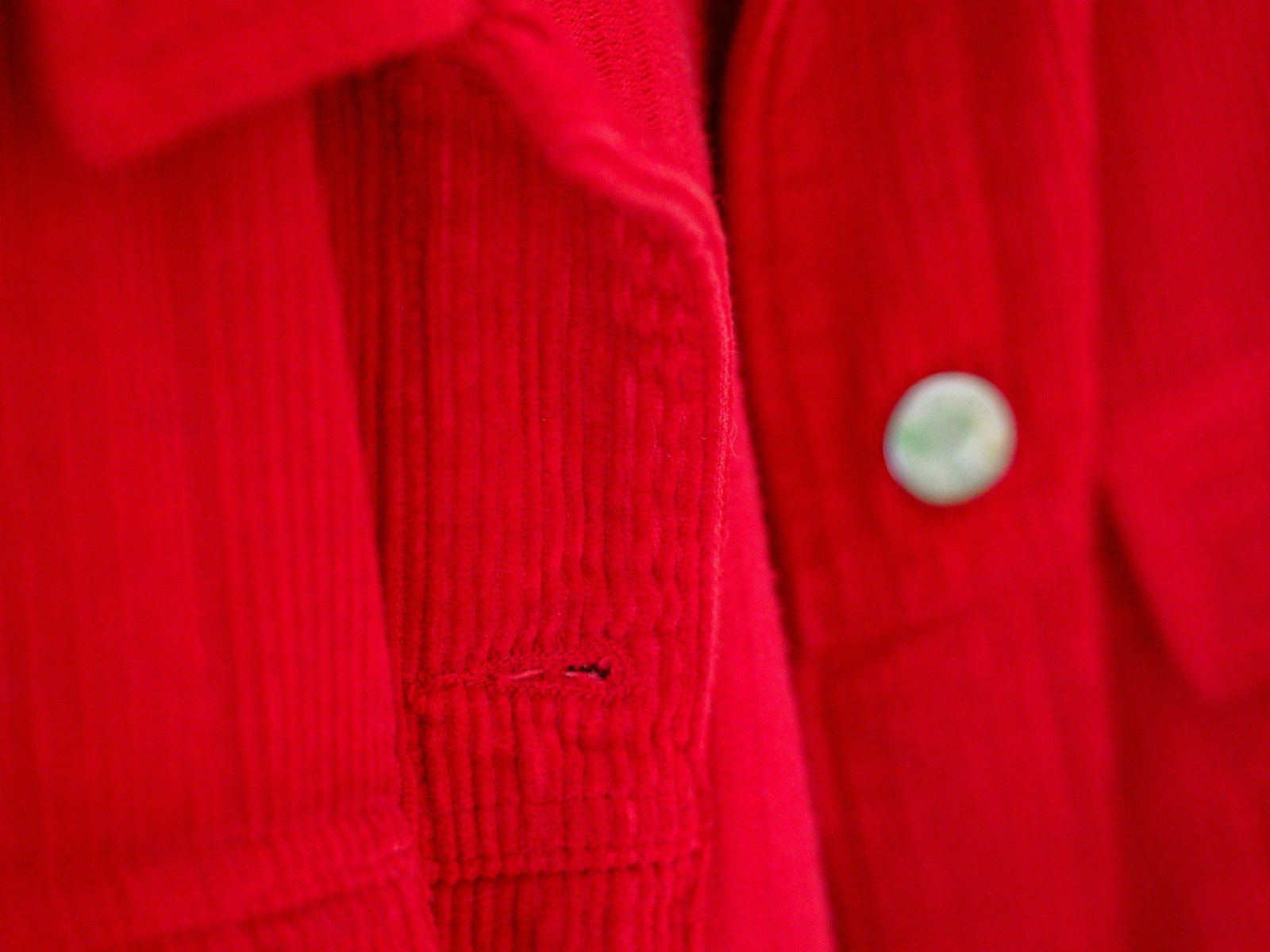
Ask a tailor where to look first when judging a jacket, and a surprising number will not mention the shoulder or the drape. They will point, instead, to the buttonholes. It is a curious thing to fixate on — a small slit reinforced with thread, functional and easily overlooked — but it is precisely because it is so easy to overlook that it tells the truth. A buttonhole cannot be faked at a glance; it either has the marks of care or it does not, and learning to read them is one of the quiet pleasures of caring about clothes.
The buttonhole is where the maker’s discipline shows without any way to hide it. It is fiddly, time-consuming and largely invisible to anyone not looking for it, which means the effort spent on it is a pure signal of intent. A house that finishes its buttonholes properly is a house that finishes everything properly. So it repays understanding the difference between the ways they are made.
The machine buttonhole
The overwhelming majority of buttonholes, even on expensive clothing, are made by machine. A specialised sewing machine cuts and stitches the hole in one rapid operation, producing a neat, dense, uniform result. There is nothing shameful in this; a good machine buttonhole is tidy and durable, and on shirts and casual garments it is entirely appropriate. Its tell is its very perfection — the stitches are perfectly even because a motor made them, and the bar tacks at each end are square and mechanical. Look closely and you see regularity where a human hand would leave subtle life.
The more revealing machine buttonhole is the so-called keyhole, with a small round eye at one end to accommodate the shank of a button. This is standard on tailored jackets and, made well, it is perfectly respectable. But it is the baseline, not the summit, and it is worth knowing where the summit lies. Reading these small differences is part of the same literacy that lets you judge the details of a well-made shoe — the finishing that reveals the maker’s hand.
The hand made buttonhole
A hand made buttonhole is a different thing entirely. The tailor cuts the hole, then works around it with a fine silk twist, wrapping each stitch with a small knot that sits along the edge as a raised, corded ridge called a purl. Around the eye, the stitches must fan out and taper, tightening and loosening by feel, and it is here that skill declares itself. A well-made hand buttonhole has a slight, living irregularity, a subtle undulation that a machine cannot produce, and a firm, corded rim that stands proudly against the cloth.
Crucially, the hand made buttonhole is often given a gimp — a thicker cord laid under the stitching that the silk wraps around — which gives the finished hole body and a gentle three-dimensional relief. Run a fingertip across one and you feel it rise. This is why the working buttonholes at the cuff of a bespoke jacket, the surgeon’s cuffs that actually undo, are such a point of pride: they are a small gallery of the tailor’s handwork, on display every time the wearer reaches for something. It is the same instinct for honest, visible craft that draws people to a properly made double-breasted blazer, where the buttoning is so much of the character.
A machine makes a buttonhole that is perfect. A hand makes one that is alive. Only one of them improves the longer you look.
The milanese buttonhole
At the very top sits the milanese, or Milanese, buttonhole, the most demanding of all. It takes the hand made buttonhole and adds a second cord worked around the outer edge, so that the entire hole is framed by a fine, raised piping in addition to the corded stitching. The effect is jewel-like: a buttonhole with a defined lip that catches the light, immaculately even yet unmistakably handmade. It is the province of a handful of Italian houses and the finest bespoke tailors, and it can take a skilled hand the better part of an hour to complete a single one.
You will most often see a coloured milanese buttonhole on a lapel, the boutonnière hole, where it functions almost as a signature. When a jacket carries one, it is telling you, discreetly, exactly how much hand labour has gone into it. It is a flourish, yes, but an honest one — the kind of quiet excellence that also underpins the pleasure of a beautifully finished linen suit or any garment where the value lives in details most people will never notice.
Why it is worth caring about
None of this makes a hand-worked buttonhole functionally superior in daily life; a machine buttonhole will hold a button perfectly well for decades. The value is of a different order. The buttonhole is a proxy for everything you cannot easily see — the canvas, the pressing, the hours of hand-basting inside the jacket. When a maker lavishes care on a detail this small and this hidden, it is a promise about the rest of the garment.
It is worth adding that the buttonhole rewards not only inspection but use. A well-made hole, hand-worked and corded, grips its button kindly and wears for decades without fraying, while a poorly finished one loosens and unravels within a season. So the care lavished on it is practical as well as decorative; the beauty and the durability turn out to be the same thing seen from two angles. That union of the useful and the lovely is, in the end, what fine tailoring is always chasing, and the buttonhole is where you can read the maker’s success or failure most plainly.
So the next time you handle a jacket, turn back the cuff and look. Run your thumb along the lapel buttonhole. Feel for the corded rise, look for the living unevenness of a human hand, notice whether the eye tapers with grace or sits square and mechanical. You are reading the maker’s intentions in a language few people bother to learn — and once you can read it, you will never again buy a jacket without turning it over first. For more of these quiet literacies of dressing well, the Style and Watches desk is the place to keep looking.
Daniel has spent fifteen years arguing that the best watch is the one you never take off.