Why the Sub-Seconds Watch Charms Purists
A small seconds dial is slower to read and harder to make well. That is precisely why the people who care most about watches keep coming back to it.
 By Daniel Koh
2 September 2026 · 6 min read
By Daniel Koh
2 September 2026 · 6 min read
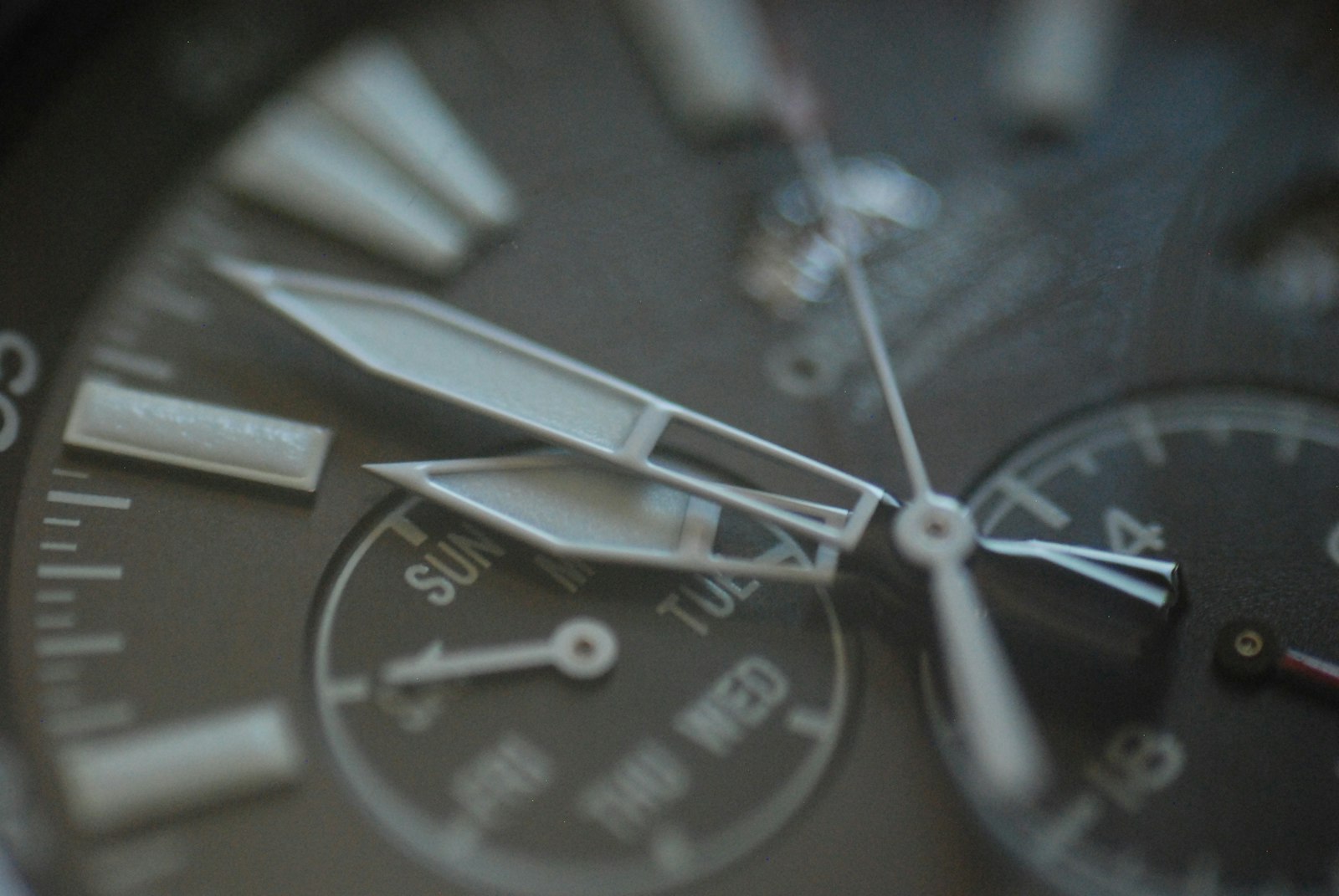
There is a quiet dividing line in watch dials, and it runs through the seconds hand. On most watches, that hand sweeps or ticks from the very centre of the face, sharing its pivot with the hour and minute hands in a neat central stack. On others, it has been banished to a small circle of its own, usually low on the dial, turning in miniature while the main hands keep the time above it. This is the sub-seconds, or small seconds, layout, and to a certain kind of enthusiast it is not a quirk to tolerate but the whole point of the watch.
On the face of it, this makes little sense. The small seconds is harder to read, sits off to one side, and demands you lean in to check whether the watch is even running. It offers no functional advantage over a central seconds hand and several small inconveniences. And yet purists adore it, seek it out, and pay more for it. To understand why is to understand something about how watch people actually see watches.
It begins under the dial
The sub-seconds is not primarily a styling choice; it is an honest expression of how a traditional movement is built. In many classic calibres, the fourth wheel, which turns once a minute, sits naturally toward the edge of the movement, and the seconds hand is mounted directly onto it. Place the dial over that architecture and the seconds hand lands where the wheel is — off-centre, in its own little register. The small seconds, in other words, is what you get when the dial follows the machine rather than fighting it. A rarer complication takes the dialogue between dial and mechanism further still, as our piece on the deadbeat-seconds watch explains.
A central seconds hand, by contrast, usually requires an extra train of wheels to carry the motion back to the middle of the dial, an intermediate mechanism layered on top of the base movement. There is nothing wrong with this; it is elegant engineering in its own right. But to a purist, the sub-seconds is the more truthful layout, the one where nothing has been added to make the dial more convenient. That directness is the same instinct that draws collectors toward the independent watchmakers who prize honesty of construction.
The composure of the dial
Beyond the mechanics, there is the simple matter of how it looks. A central seconds hand is always in motion, a long thin sweep constantly crossing the whole face. It animates the dial but also unsettles it; the eye is drawn to movement, and there is always movement. The sub-seconds contains all that restlessness in a small, disciplined circle. The main dial, freed of the sweeping hand, becomes calm — just hours and minutes, clean and composed, with the busyness tucked politely into its corner. A calm dial also gives the eye room to appreciate unusual materials, as our piece on the tiger’s-eye and chatoyant dial explores.
This composure is why the layout appears so often on dress watches, where serenity is the entire brief. It gives the designer room to balance the dial, to place a sub-dial as a counterweight to a logo or a date, to build the kind of symmetry that rewards a long look. Much of the pleasure here is the same pleasure found in a well-resolved sector dial, with its geometry and its measured spacing — a sense that every element has been placed rather than merely added.
A central seconds hand tells you the watch is alive. A small seconds hand lets you discover it, which is a more intimate thing.
A vintage sensibility
The sub-seconds also carries the scent of history. For much of the early twentieth century it was simply how wristwatches were made, an inheritance from the pocket watches that preceded them. To wear a small-seconds watch today is to nod to that lineage, to prefer the older grammar of dials. This is not mere nostalgia; it is an appreciation that the vocabulary of watchmaking was largely settled long ago, and that a return to the earlier form is often a return to better proportion. The same sensibility explains why the classic dress watch has stayed so faithful to its restrained template.
Reading it slowly
There is one more thing, harder to name. A central seconds hand hands you the running seconds at a glance, whether you wanted them or not. The small seconds withholds them slightly. You have to choose to look, to find the little dial and watch it turn. In an age when every screen shouts the time to the second, there is something civilised about a watch that makes you slow down to read it — that treats the seconds as a private detail rather than a public broadcast.
Purists respond to this because purism, in watches, is really a preference for the considered over the convenient. It is the same instinct that makes a collector care about finishing you can only see through a loupe, or a case profile you can only feel on the wrist. The sub-seconds asks a little more of you and gives back a dial with more integrity and more calm. That trade is the whole ethos of buying watches thoughtfully rather than impulsively, an argument laid out well in the case for owning one very good watch instead of many indifferent ones.
Whether it is for you
It is worth remembering, too, that the sub-seconds has quietly influenced how modern designers think about balance. Even watches with central seconds now borrow its restraint, tucking complications into small registers rather than crowding the middle of the dial. The small-seconds layout, in other words, taught watchmaking a lesson about composure that outlived its mechanical origins. To wear one today is to hold a small piece of that history on the wrist, a reminder that the quietest choices in design are often the ones that endure the longest and travel the furthest.
None of this obliges you to prefer it. A central seconds hand is more legible, more lively, and often more practical, and there is no shame in wanting your watch to tell you the running seconds without ceremony. But if you find yourself increasingly drawn to quiet dials, to older proportions, to the sense that a watch should follow its movement rather than dress it up, the sub-seconds will find you eventually. It is the layout you grow into as you learn to look more slowly, and once it charms you it tends not to let go. To see where it sits among the wider grammar of dials and cases, the Style and Watches desk is a good place to keep reading.
Daniel has spent fifteen years arguing that the best watch is the one you never take off.