The Best Fabrics for a Winter Suit
Flannel, tweed and heavy worsted each behave differently in the cold. Here is how to choose a winter suit fabric worth packing for a season abroad.
 By Daniel Koh
30 August 2026 · 6 min read
By Daniel Koh
30 August 2026 · 6 min read
Singapore does not ask much of a wardrobe in the way of winter suiting, which is exactly why a winter suit, when it is finally needed, tends to be bought in a hurry and regretted at length. A trip to London in January, a wedding in the Cotswolds, a work posting somewhere the mercury actually drops — these are the moments a lightweight tropical wool, entirely correct for local life, reveals itself as useless. Winter suiting is its own discipline, built around weight, weave and a handful of fabrics that have earned their reputations over a very long time. Getting it right means understanding what each one is actually for, rather than simply asking for "something warm."
Flannel: the Default, for Good Reason
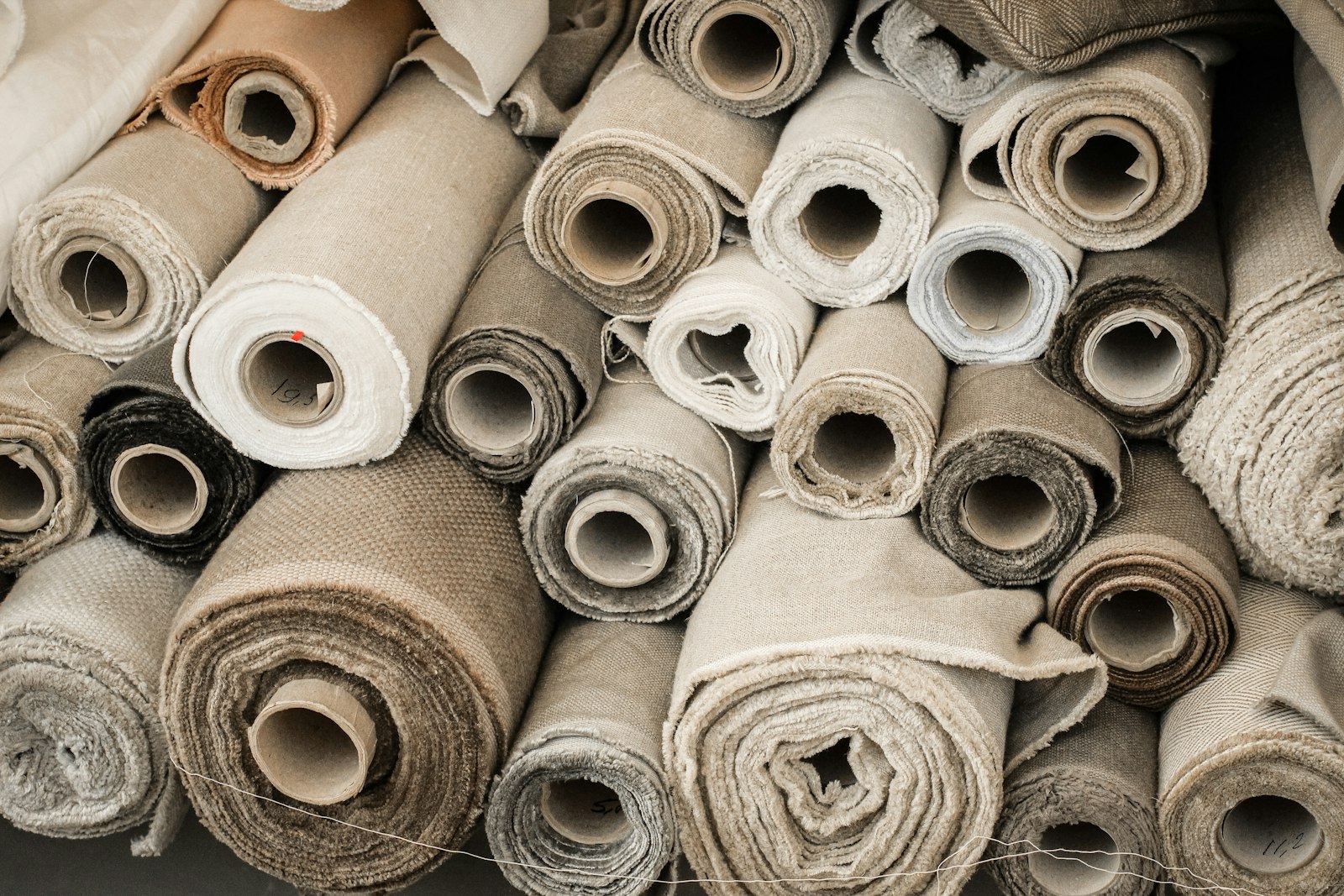
Flannel is winter suiting’s workhorse, and the fabric most worth owning first. Woven from wool with a brushed finish, it has a soft, slightly chalky surface that diffuses light rather than reflecting it, which is part of why a flannel suit photographs so well in low winter sun. Weight matters here: anything under 300 grams per metre will struggle against genuine cold, while 340 to 380 grams gives real substance without tipping into something better suited to outerwear. Grey flannel, in particular, has a claim to being the most useful suit in a considered wardrobe full stop — formal enough for a boardroom, soft enough for a dinner, and forgiving of the slightly heavier build that winter layering demands underneath.
Tweed and the Case for Texture
Where flannel is smooth, tweed is deliberately rough, and the two solve slightly different problems. A herringbone or birdseye tweed brings genuine warmth along with a texture that reads as countryside rather than city — appropriate for a weekend away, a shoot, or anything with a rural or collegiate backdrop, less so for a formal city meeting. Tweed suits tend to be cut with a little more room, since the fabric itself has body and does not drape the way a finer worsted does. It rewards being worn with confidence about its own character: a tweed suit is not trying to disappear into the background the way a navy worsted might, and pairing it with equally considered accessories — a knitted tie, brogues rather than oxfords — lets the fabric’s texture do the talking rather than fighting it.
Winter fabrics worth knowing
- Flannel — soft-finished wool, the most versatile winter fabric, ideal from 340gsm upward
- Tweed — textured and rustic, best for weekends and country settings rather than the boardroom
- Whipcord — a diagonal-ribbed wool with real durability, historically a travel and country fabric
- Heavy worsted — smooth and formal, the closest winter equivalent to a summer suit’s finish
- Cashmere-wool blends — lighter than pure flannel but still substantial, for milder winter climates
Whipcord and Worsted: the Less Obvious Choices
Whipcord, a diagonally ribbed wool with a hard-wearing surface, is less commonly reached for than flannel but deserves more attention than it gets. It has genuine durability — historically it was a fabric for travel and outdoor pursuits — and its diagonal weave gives a suit a subtle texture without tweed’s rusticity, making it a reasonable middle ground for someone who wants warmth and character without looking dressed for a shoot. A heavy worsted, by contrast, is the most formal of the winter options: smooth-finished, closer in appearance to a summer suit, and the right choice for anyone who needs winter warmth without sacrificing a sharp, city-ready silhouette. It is less forgiving than flannel of a slightly imperfect fit, since its smooth finish shows every line, but it rewards a good tailor’s attention handsomely.
A winter suit should feel like a decision made for the climate, not a summer suit worn under duress.
Weight, Lining and the Practical Details
Beyond the fabric itself, a genuine winter suit differs from a tropical-weight one in construction. A full or half canvas, rather than a fused interlining, holds its shape better over a season of cold-weather wear and layering. A fuller lining — as opposed to the half-lined or unlined jackets that suit Singapore’s heat — adds real warmth without adding bulk, since it is doing its work on the inside rather than through extra fabric weight. Trousers cut with slightly more room through the thigh accommodate thermal layers underneath without looking bulky from the outside, a detail that matters more than most travellers realise until they are standing in the cold, mid-layer bunching visibly under the cloth. Once the cloth is settled, the pattern is the next decision, and our piece on the quiet case for the chalk-stripe suit takes up that question.
Colour Choices That Work Harder
Winter fabrics also behave differently in colour, which is worth factoring in before committing to a bolt of cloth. Charcoal and mid-grey flannel photograph well under the flat, low-angle light common to a northern winter, whereas navy — reliable in the tropics — can read almost black indoors under artificial light, losing some of its versatility. Muted heathered tones, a slightly flecked grey or a soft brown, suit tweed and whipcord particularly well, since the texture of the weave itself adds visual interest that a flat, solid colour would waste. A herringbone in two closely related tones, rather than a high-contrast pattern, tends to age better across several winters of wear than something more fashion-forward, which risks looking dated the moment the trend that inspired it passes.
Buying for a Trip, Not a Lifestyle
For most people building a wardrobe from Singapore, a winter suit is a travel garment rather than a daily one, and it is worth buying accordingly: one exceptional flannel suit, in a genuinely useful grey or charcoal, will do more work over a decade of winter trips than three cheaper, poorly chosen alternatives. It should be tailored with enough room to layer underneath, cut from a fabric with real weight, and treated as a long-term investment rather than a one-off purchase for a single cold week abroad. Done properly, it earns its place in the wardrobe precisely because it is used rarely, and looks exactly right every single time — a suit that was clearly chosen for the climate it is about to meet, not merely the closest thing on the rail to what winter is supposed to look like.
For more considered guidance, see our wider Style & Watches coverage, alongside notes on the best summer suiting fabrics as winter’s opposite number, the perfect grey suit, and the art of the check suit for anyone drawn toward tweed’s texture.
Daniel has spent fifteen years arguing that the best watch is the one you never take off.