The Art of the Check Suit
A well-chosen check suit reads as considered rather than costume. A guide to scale, pattern and how to wear it without overdoing the rest of the outfit.
 By Daniel Koh
30 August 2026 · 6 min read
By Daniel Koh
30 August 2026 · 6 min read
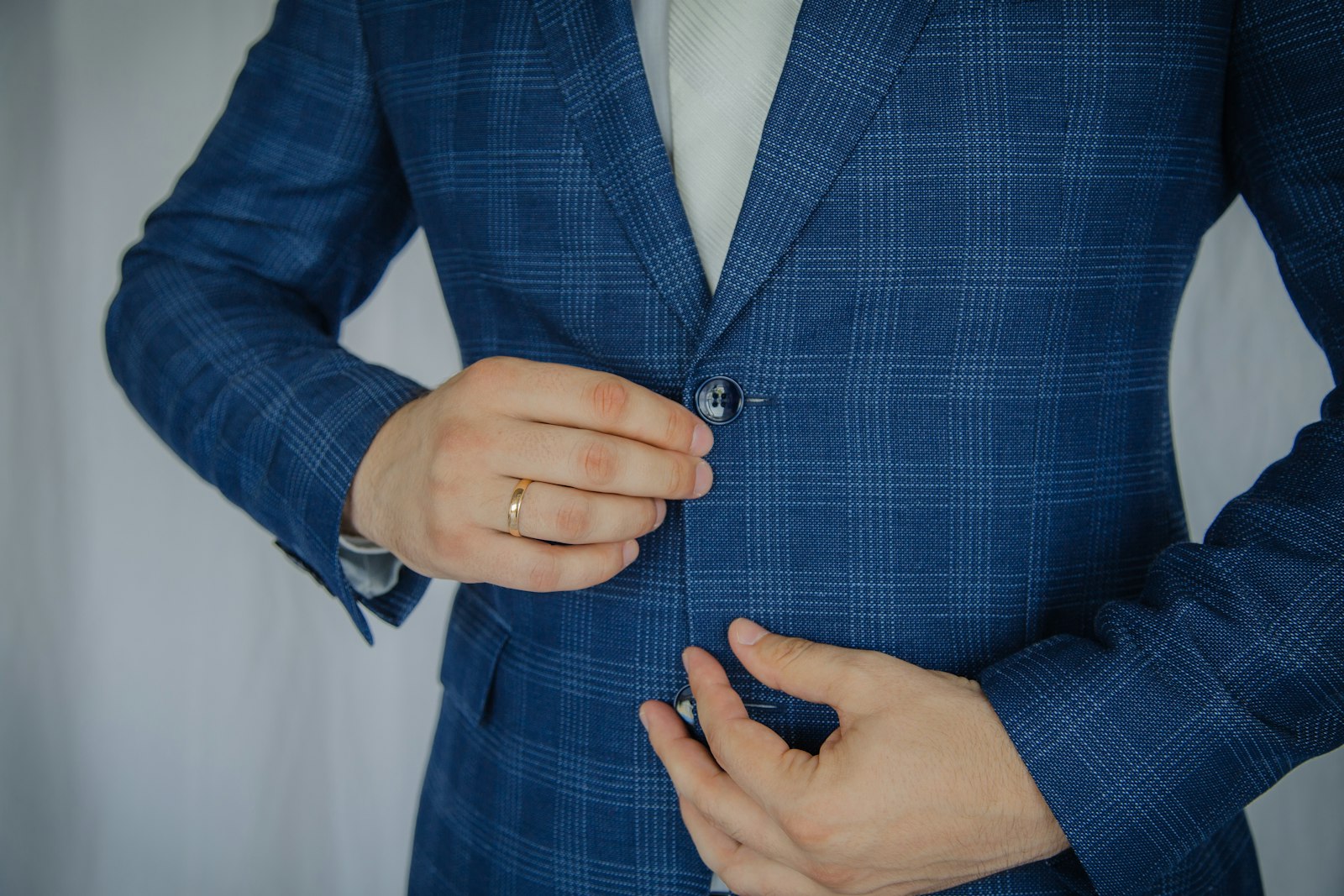
The check suit occupies an uneasy position in most wardrobes — either avoided entirely as too bold for a considered dresser, or worn with such enthusiasm elsewhere in the outfit that it tips into costume. The truth sits between those instincts. A well-chosen check, worn with genuine restraint everywhere else, reads as more interesting and more considered than a plain suit ever could, precisely because it requires a wearer who understands scale, proportion and when to stop.
Understanding scale before pattern
The single most important decision in a check suit is not which pattern — windowpane, glen check, houndstooth — but the scale at which it is woven. A large-scale check reads boldly from across a room and demands a correspondingly simple approach to the rest of the outfit; a fine, tightly woven check can read as almost solid from a short distance, offering nearly all the benefits of texture and interest with a fraction of the risk. For a first check suit, the fine end of the scale is almost always the wiser starting point, since it forgives more and punishes less.
Windowpane, glen and the case for restraint
Windowpane check — a simple grid of thin lines over a solid ground — is the most versatile pattern for a tropical wardrobe, since the ground colour does most of the work and the check itself reads as a subtle addition rather than the outfit’s main event. Glen check, denser and more textured, carries more visual weight and suits a slightly more formal register, particularly in a mid-grey or soft brown. Both reward the same discipline: a check suit should be the boldest single element in the outfit, never competing with a patterned tie, a busy shirt or an equally assertive pair of shoes. Its more intricate cousin, woven from smaller checks within larger ones, is the subject of our piece on the Prince of Wales check suit.
How to wear a check suit without overdoing it
- Keep the shirt solid — white or a very pale blue does the most work to let the check read clearly rather than competing with it.
- Choose a plain or very subtly textured tie, never another pattern, unless the check itself is genuinely fine-scale.
- Let the shoes be simple and dark — a check suit has already made its statement above the waist.
Weight and fabric for the Singapore climate
A heavier flannel check, gorgeous in a cooler climate, is simply impractical for most of the year in Singapore, and a considered wardrobe should prioritise a lighter wool, wool-linen blend, or fresco weave that carries the pattern with the same visual clarity but a fraction of the weight. The check itself does not lose any of its character in a lighter cloth — if anything, a finer, more breathable weave tends to render a subtle windowpane with more precision than a heavier flannel ever could.
“Men are more afraid of check than they should be,” one Singapore tailor told us. “A fine windowpane in a good grey is honestly less risky than most solid navy suits — it just looks like it isn’t.”
Pairing it against the rest of a considered wardrobe
A check suit works best as one distinctive piece within an otherwise restrained rotation, rather than the first of several bold statements. It pairs naturally with the kind of understated accessories covered in the belt, and other details that matter, and sits comfortably alongside the more classic pieces discussed in the perfect grey suit — the two are not competitors so much as complements, one for days that call for quiet confidence, the other for days that call for a touch more presence.
Occasions where it genuinely earns its place
A check suit tends to work best in settings with room for a degree of personal expression — a considered client lunch rather than a formal board meeting, a wedding as a guest rather than as the groom, a gallery opening or a long, well-dressed dinner. It is generally the wrong choice for the most formal end of the spectrum, where a solid, unpatterned suit still reads as the more serious and more appropriate option. Reading the room correctly matters more with a check suit than with almost any other tailoring choice, precisely because it announces itself more loudly.
The history worth knowing before you buy
Windowpane and glen check both trace back to Scottish and English estate tailoring, originally woven in muted, landscape-matched tones to work as a form of practical camouflage on a country shoot rather than as a fashion statement. That utilitarian origin is worth remembering when choosing a colourway today — the checks that have aged best over decades of tailoring tend to be the ones rooted in this original, muted palette of soft greys, browns and greens, rather than later, louder reinterpretations in high-contrast colour combinations. A check suit chosen with this history in mind tends to read as more timeless and considerably less trend-driven a decade on.
Made-to-measure versus off-the-rack for a check
Pattern matching becomes a genuinely important consideration with any check suit in a way it simply is not with a solid cloth — a poorly matched check across the jacket’s front seams or the trouser’s outer leg looks amateurish regardless of how good the fabric itself is. This is one area where made-to-measure or bespoke tailoring earns its premium particularly clearly, since a skilled tailor will cut around the pattern deliberately rather than accepting whatever alignment an off-the-rack size happens to produce. Buyers working with a limited budget should prioritise this detail over fabric weight or brand name when comparing options, since a mismatched check is far more visually distracting than a slightly heavier cloth.
Buying well means resisting the urge to go bold on a first purchase — a fine windowpane in navy or grey will earn far more wear over the years than a large-scale glen check bought for its immediate visual impact. Build from there, once the fit and the restraint around it are both second nature. A jacket alone, worn over a plain trouser, is also worth considering for anyone hesitant to commit to a full check suit — it delivers much of the pattern’s character with considerably less commitment, and works comfortably into a wider rotation of separates. For more on building a considered tailored wardrobe, see our Style & Watches section.
Daniel has spent fifteen years arguing that the best watch is the one you never take off.