
How to Choose the Right Vestibule Lighting
The vestibule is a home's first impression, and its lighting has to work harder than almost any other room's. Here is how to get the layers right.
 By Priya Nair
1 September 2026 · 6 min read
By Priya Nair
1 September 2026 · 6 min read
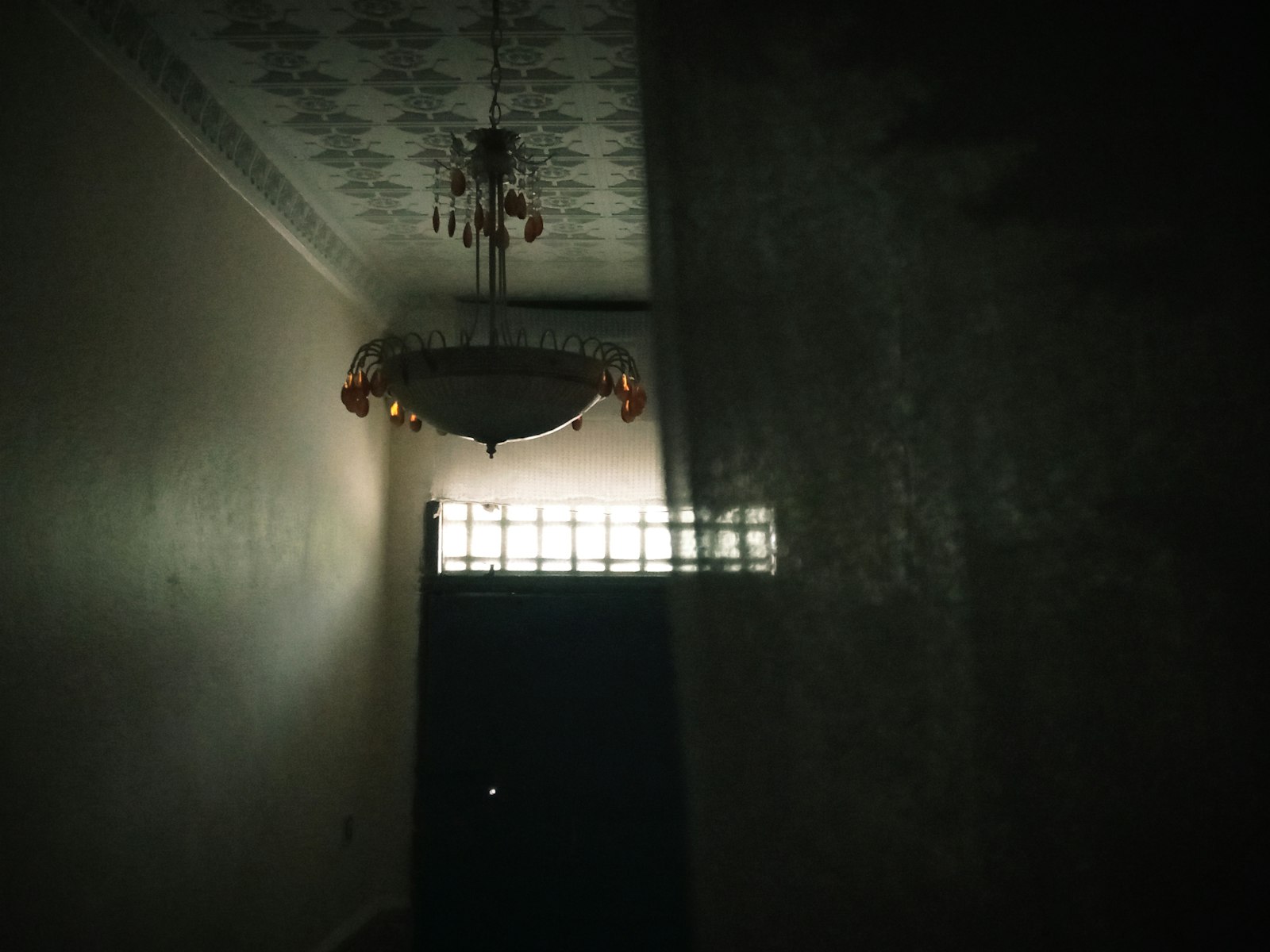
A vestibule carries more weight than its modest size usually suggests. It is the room a guest sees first and the one a household passes through last on the way out — a genuine threshold, and its lighting has to perform several jobs simultaneously: welcome a visitor, orient someone arriving home in the dark, and set a tone that carries into the rest of the house without overpromising what is beyond it. Getting this brief wrong is common, precisely because a vestibule is often small enough to be treated as an afterthought rather than a room in its own right.
Layering, even in a small space
The instinct in a compact vestibule is to install a single central fixture and consider the job done, but even a modest entrance benefits from at least two light sources working together — a central or pendant fixture for general illumination, plus a secondary source, often a wall sconce or a pair flanking a mirror, to soften the shadows a single overhead light inevitably casts on a face or a doorway. This layering principle, applied to a room where every fixture has to justify its presence given how little wall and ceiling area is available, is what separates a genuinely welcoming vestibule from one that simply has a light switched on.
Fixture types that suit a vestibule
- A statement pendant, sized carefully to the ceiling height — vestibules are often lower-ceilinged than adjoining rooms, and an oversized pendant will feel cramped rather than grand.
- Wall sconces at roughly eye height, ideal for flanking a console table or mirror without competing with an overhead source.
- Recessed downlights, useful where ceiling height is genuinely limited, though they should be paired with a warmer secondary source to avoid a flat, corridor-like feel.
Brightness and the transition from outdoors
A vestibule’s lighting needs to account for the eye’s adjustment from bright daylight or a dark street, which is a genuinely different brief from lighting a room used consistently at one time of day. Too dim, and a vestibule feels gloomy compared to a bright exterior; too bright, and it creates a jarring contrast with the softer light typical of the rooms beyond it. A dimmer, controlled from just inside the door, allows the space to be adjusted for time of day and season — considerably brighter for a grey afternoon arrival, softer for an evening one.
Colour temperature and mirrors
Warm white, in the 2700 to 3000 Kelvin range, is almost always the right choice for a vestibule, since this is frequently the space where a household does a final check in the mirror before leaving — cooler light here can cast an unflattering, clinical tone that few people enjoy seeing themselves under on the way out the door. Where a mirror is part of the vestibule’s design, position sconces to flank it rather than placing a single downlight directly above, which casts unflattering shadows under the eyes; light from both sides, at roughly face height, gives a far more even and genuinely useful result. Many of the same principles carry over to the room just beyond, as our guide to choosing anteroom lighting explores.
A vestibule should feel, in its lighting, like a considered pause rather than a bright announcement — warm enough to welcome, calibrated enough to guide, without overwhelming the rooms it leads into.
Material interaction with light
Vestibules are frequently finished in materials chosen for durability against foot traffic and weather — stone, tile, timber — and each interacts differently with light. Polished stone floors reflect light upward in a way that can double the perceived brightness of a fixture, useful in a naturally dark vestibule but worth accounting for when selecting wattage, since an over-specified fixture over reflective stone can feel harsher than intended. Our guide to the best materials for a timeless vestibule is worth reading alongside this piece, since material and lighting decisions here are genuinely inseparable.
Connecting the vestibule to the hallway beyond
A vestibule’s lighting should feel like the first note of a sequence rather than an isolated decision, gradually setting up the tone continued into the hallway or entrance hall beyond it. Our pieces on choosing the right hallway lighting scheme and choosing the right landing lighting both cover the next stages of that sequence, and treating all three as one continuous decision, rather than three separate ones, produces a noticeably more considered result than lighting each room in isolation. The same instinct applies to the transition at the very threshold itself, covered in our piece on the considered home entrance.
A vestibule is a small room with an outsized job, and lighting is the single element most responsible for whether it succeeds. Get the layering, warmth and brightness balance right, and it becomes the kind of space that makes coming home, every single day, feel like a small and genuine pleasure rather than simply a functional passage. Browse our full Homes & Culture section for more on the small rooms that shape how a home actually feels to live in.
Motion sensors and practical convenience
A vestibule is one of the few rooms in a home where a motion-activated light genuinely earns its place, since it is so often entered with hands full — shopping bags, keys, an umbrella still dripping from the rain. A well-calibrated sensor, set to a gentle fade rather than an abrupt switch, avoids the slightly jarring effect of a light snapping on and off with every brief pause near the door, while still offering the practical convenience of not fumbling for a switch in the dark. This is worth pairing with a manual override, since a purely automatic system can feel intrusive for a household that occasionally wants the vestibule dimmed for a quiet evening rather than fully lit on every entry.
Seasonal and daylight variation
A vestibule that faces a bright exterior by day and near-total darkness by evening needs a lighting scheme flexible enough to handle both extremes convincingly, which is really the strongest argument for investing in a proper dimming system from the outset rather than a fixed-output fixture. Photocell or timer-based automatic dimming, tied to actual daylight levels rather than a fixed clock schedule, adjusts more naturally through the year than a manually programmed timer, which inevitably drifts out of sync with the changing balance of daylight across seasons.
Priya tours the homes most people only glimpse from the road, and asks how they are really lived in.


