How to Choose the Right Hallway Lighting
A hallway is the room every visitor sees and no one plans for. Here is how to light it so it feels considered rather than merely functional.
 By Priya Nair
31 August 2026 · 6 min read
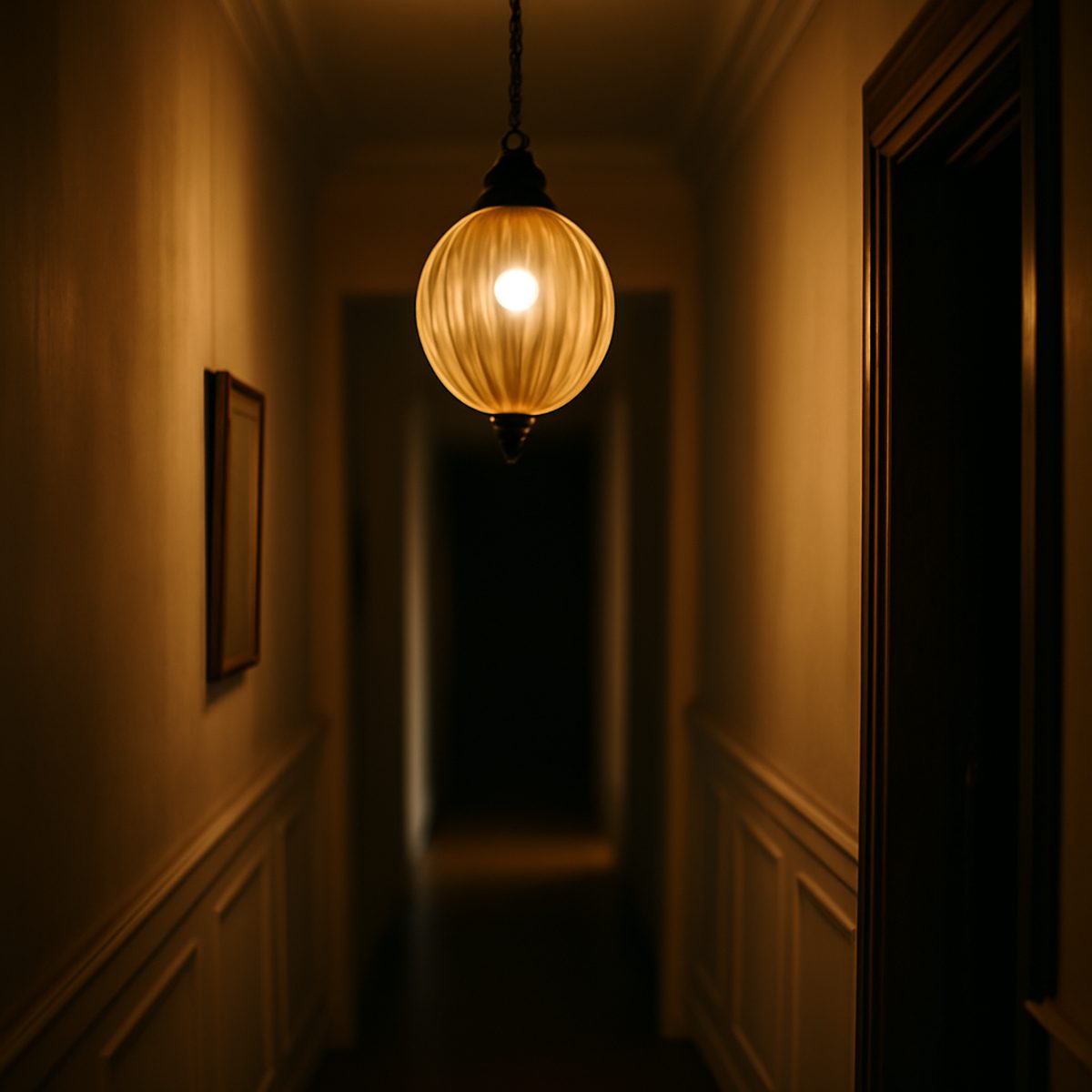
The hallway is the least-loved room in most homes, and the most photographed corridor in almost none of them — which is precisely the problem. It is the first space a guest sees and the last one a homeowner considers, usually inheriting whatever ceiling fixture came with the flat and staying that way for a decade. Lighting is the single fastest way to change this, because a hallway’s function is almost entirely about wayfinding and mood rather than task work, which means the fitting itself can do most of the heavy lifting.
Understand what the hallway is actually for
Unlike a kitchen or a study, a hallway rarely needs bright, even task lighting — people pass through it rather than working in it. This changes the lighting brief considerably: rather than one central bright source, a hallway benefits from layered, warmer light that guides movement and creates a sense of arrival, particularly at an entrance. The transition from a brightly lit street or car park into a dim entrance can feel abrupt; a warm, moderate light at the point of entry softens that shift and sets the tone for the rest of the home. This layered approach echoes the thinking in our broader piece on choosing and layering lighting in a room, which applies just as much to a narrow hallway as to a larger living space.
Choosing a fixture for a narrow space
Most hallways are narrow and often have lower ceilings than adjoining rooms, which rules out large pendant fixtures that would otherwise be a natural choice. Flush or semi-flush ceiling fittings solve the clearance problem while still offering more character than a plain downlight — a fluted glass shade or a simple brass drum reads as considered without needing headroom a corridor does not have. In a longer hallway, a run of two or three smaller fittings spaced evenly along the ceiling creates a rhythm that a single central light cannot, and avoids the pooled-light-then-shadow effect of one fixture trying to cover too much length.
Fixture types worth considering
- Flush or semi-flush ceiling fittings for low-clearance hallways
- Picture or wall-mounted sconces where art or a gallery wall runs along the corridor
- A single statement pendant only where the hallway widens into a proper entrance or landing
- Warm-dimmable LED sources throughout, rather than a single brightness setting
Wall lights for texture and depth
A hallway lined entirely with ceiling light tends to feel flat, however well the fittings are chosen. Adding a wall-mounted sconce or two along the run — particularly where a hallway has a gallery wall, a runner, or a piece of furniture worth highlighting — adds depth and shadow that a single ceiling source cannot achieve alone. The same principle of adding a secondary light source for depth, rather than relying on one central fitting, applies across the home and is worth carrying through every transitional space.
Colour temperature and the mood of arrival
Hallways benefit from a slightly warmer colour temperature than a kitchen or study — somewhere around 2700K rather than the cooler 3000K or 4000K that suits task-focused rooms. This warmth matters especially at an entrance, where the light is often the very first impression a home makes on a visitor. It is worth testing bulbs in place before committing to a whole run of fittings; colour temperature that looks fine in a showroom can read very differently against the wall colours and flooring of an actual hallway, particularly the darker timbers common in Singapore homes.
“An entrance hallway sets the tone for the whole visit,” one Singapore lighting designer told us. “Get it too bright and clinical, and the warmest living room in the world won’t undo that first impression.”
Dimming, control and the practical details
A hallway used at every hour of the day and night benefits enormously from dimmable fittings, even where the rest of a home does not require them. Full brightness suits a busy morning departure; a much lower setting suits a late return home without waking the household or forcing eyes to adjust harshly from darkness. Motion sensors are worth considering too, particularly for hallways connecting bedrooms to a bathroom, where a hands-free, low-level light avoids fumbling for a switch at three in the morning while still providing enough illumination to move safely. These practical touches rarely show up in photographs of a finished home, but they are the details that make a hallway feel genuinely considered in daily use rather than only on the day it was styled.
Switch placement deserves equal thought. A hallway with switches only at one end forces a walk through darkness to reach the light, which defeats much of the purpose of good lighting design in the first place. Two-way switching, with a control point at each end of a run, costs little to install during a renovation and makes a measurable difference to how a hallway actually feels to use, day after day, long after the novelty of a new fitting has worn off.
Bringing it together with the rest of the home
A hallway does not exist in isolation — it is the connective tissue between rooms, and its lighting should feel like a considered transition rather than a jarring change in tone. Where possible, match the general warmth and dimmability of hallway fittings to the rooms it connects, so moving from a warmly lit living room through the hallway to a bedroom feels continuous rather than disjointed. This attention to transitional spaces is a hallmark of a genuinely considered home, the kind explored in depth in our art of the considered hallway and in our broader Homes & Culture coverage — proof that even the rooms no one plans for reward the ones who do.
Material choices around a hallway’s lighting matter as much as the fittings themselves. A run of warm hallway materials — timber flooring, a runner in a considered wool or natural fibre, walls in a soft plaster rather than a hard gloss paint — will reflect light more forgivingly than a cold, high-shine finish, meaning a lower wattage achieves the same perceived warmth. This interplay between surface and source is worth planning together rather than sequentially; choosing the lighting first and the flooring or wall finish second, or vice versa, often leads to a mismatch that only becomes obvious once both are installed. A hallway finished in timeless hallway materials and lit with equal care rewards a household every single day, in the unglamorous, unphotographed minutes of simply walking through a home.
Priya tours the homes most people only glimpse from the road, and asks how they are really lived in.