How to Build a Highland-Climate Wardrobe
Dressing for cool, damp highland weather is a different discipline entirely for anyone used to the tropics. Here is how to build the capsule properly.
 By Daniel Koh
1 September 2026 · 6 min read
By Daniel Koh
1 September 2026 · 6 min read
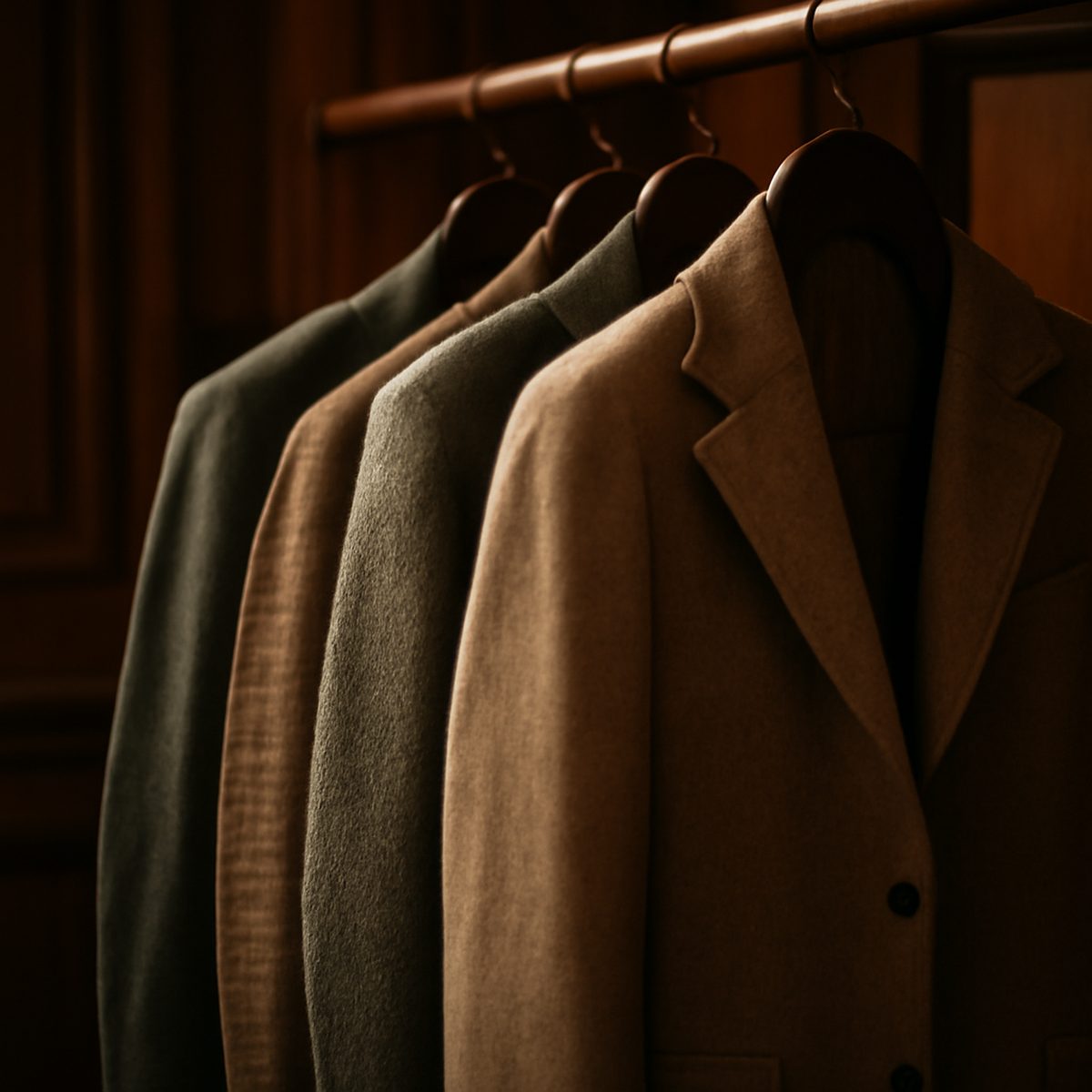
Nothing exposes the limits of a tropical wardrobe quite like a week in the highlands. The traveller who has spent a lifetime dressing for Singapore’s heat arrives somewhere cool and damp — a hill station, a moor, a stretch of loch-side country — and discovers that linen does nothing against a wind with real teeth in it, and that the single wool jumper packed as an afterthought is doing all the work of an entire wardrobe. Building a proper highland-climate capsule is less about buying more and more about buying the right weights, layered with intent.
Understanding the Climate You Are Dressing For
Highland weather rarely commits to one condition for long. A bright, still morning can turn to horizontal rain by lunch and settle into a cold, clear evening by dusk, often within the same short walk. The wardrobe that copes with this is built on layers that can be added and shed quickly, rather than a single heavy coat that traps warmth but cannot adjust. Damp cold, in particular, cuts differently from the dry cold of a ski trip — it asks for wool next to the skin far more than it asks for down. Hot, dry climates ask a very different set of questions of a wardrobe, which we explore in our guide to building a desert-climate wardrobe.
The Base and Mid Layers
A merino base layer is the foundation, chosen for its ability to regulate temperature and resist the odour that synthetic fabrics develop after a few damp days without a proper laundering. Over that, a mid-weight wool jumper or waistcoat does the bulk of the insulating work — something substantial enough to stand alone on a mild afternoon but not so heavy that it becomes stifling indoors by a fire. Shetland and lambswool both suit this role well, offering warmth without excessive bulk under a jacket.
Trousers and Lower Half
Moleskin and heavyweight cotton twill outperform most wool trousers for actual walking in wet country, resisting bramble and thorn while drying faster than they look like they should. A single pair of well-cut cords earns its place for evenings, when the wardrobe can relax slightly without abandoning the highland register entirely.
The Outer Layer: Tweed and Waterproofing
Tweed remains the correct choice for a highland jacket not out of tradition alone but because its open, textured weave sheds light rain and wind remarkably well while still breathing. A well-cut tweed jacket, ideally with some built-in structure at the shoulder, works over a jumper and under a waterproof shell when the weather truly turns. Readers assembling this piece by piece may find it useful to look closely at the fabrics used in a proper gamekeeper’s tweed, since the weight and weave chosen for genuine outdoor use differs meaningfully from the lighter tweed sold for city wear.
A separate, dedicated waterproof shell — not merely water-resistant, but genuinely waterproof and seam-sealed — belongs in every highland capsule regardless of how good the tweed is underneath. This is the one piece worth spending properly on, since a failure here undermines every layer beneath it within minutes of real rain. Coastal trips call for a different balance of wind and salt protection, covered in how to build a coastal-climate wardrobe.
Footwear and the Overlooked Details
Boots matter more in highland country than almost anywhere else a considered wardrobe travels. A leather boot with a commando or similarly aggressive sole handles wet grass, loose scree and mud without hesitation, and is worth breaking in properly at home before travelling rather than on the first walk. Wool socks, packed in greater quantity than seems necessary, prevent the particular misery of a cold, damp foot for the rest of a day.
- A flat cap or similarly close-fitting wool hat, since heat loss through the head is genuinely significant in wind
- Leather gloves lined in wool rather than unlined, for the same reason
- A silk or wool scarf that can be tucked into a collar rather than simply wrapped, to seal out draughts
Those travelling from Singapore specifically should resist the temptation to overpack lightweight layers out of habit; a highland wardrobe rewards fewer, heavier, better-considered pieces far more than the many-thin-layers approach that works in air-conditioned tropical interiors.
Packing It Efficiently
The instinct on a first highland trip is to overpack, bringing three of everything in case the weather is worse than forecast. A more disciplined approach is to pack for the layering system rather than for individual days: two base layers, two mid layers and one outer shell will outperform a suitcase of single-use outfits, since each piece can be recombined depending on the actual conditions that morning. Merino, in particular, can be worn several days running without developing odour, which matters enormously when luggage space is limited and laundry facilities are not.
A compression bag or packing cube keeps the bulkier wool pieces from taking over the entire case, and it is worth packing the waterproof shell somewhere immediately accessible rather than buried at the bottom, since highland weather rarely gives much warning before it turns. Those flying in from Singapore should also budget for the shock of the return: stepping off a flight from cool, damp hill country into tropical humidity in a wool jumper is its own small ordeal, so keeping one lightweight layer near the top of the bag for the journey home is a detail experienced travellers rarely forget twice.
Bringing It Home
The genuine test of a highland wardrobe is not how it performs on the estate but how well it travels back into ordinary life afterwards. A good tweed jacket, a proper wool jumper and a pair of well-broken-in boots all have a second life in cooler evenings and long-haul flights, long after the trip that justified buying them. For those planning the destination alongside the wardrobe, our notes on highland and tea estate retreats worth the journey pair naturally with this piece, and readers building a fuller rotation of climate-specific dressing should also see our broader wardrobe system guide for how the highland capsule fits alongside warm-weather and transitional pieces already in the closet. Visit Style & Watches for more on dressing with intent rather than simply for the calendar.
Done properly, a highland capsule is compact — perhaps eight or nine pieces beyond what already lives in the wardrobe — but each one earns its place through genuine use rather than aspiration. That restraint is, in the end, the most considered thing about it.
Daniel has spent fifteen years arguing that the best watch is the one you never take off.