
The Best Fabrics for a Gamekeeper’s Tweed
A gamekeeper's tweed is built for work first, style second. Here is why the fabric behind it still outperforms almost anything sold as country tailoring.
 By Daniel Koh
1 September 2026 · 6 min read
By Daniel Koh
1 September 2026 · 6 min read
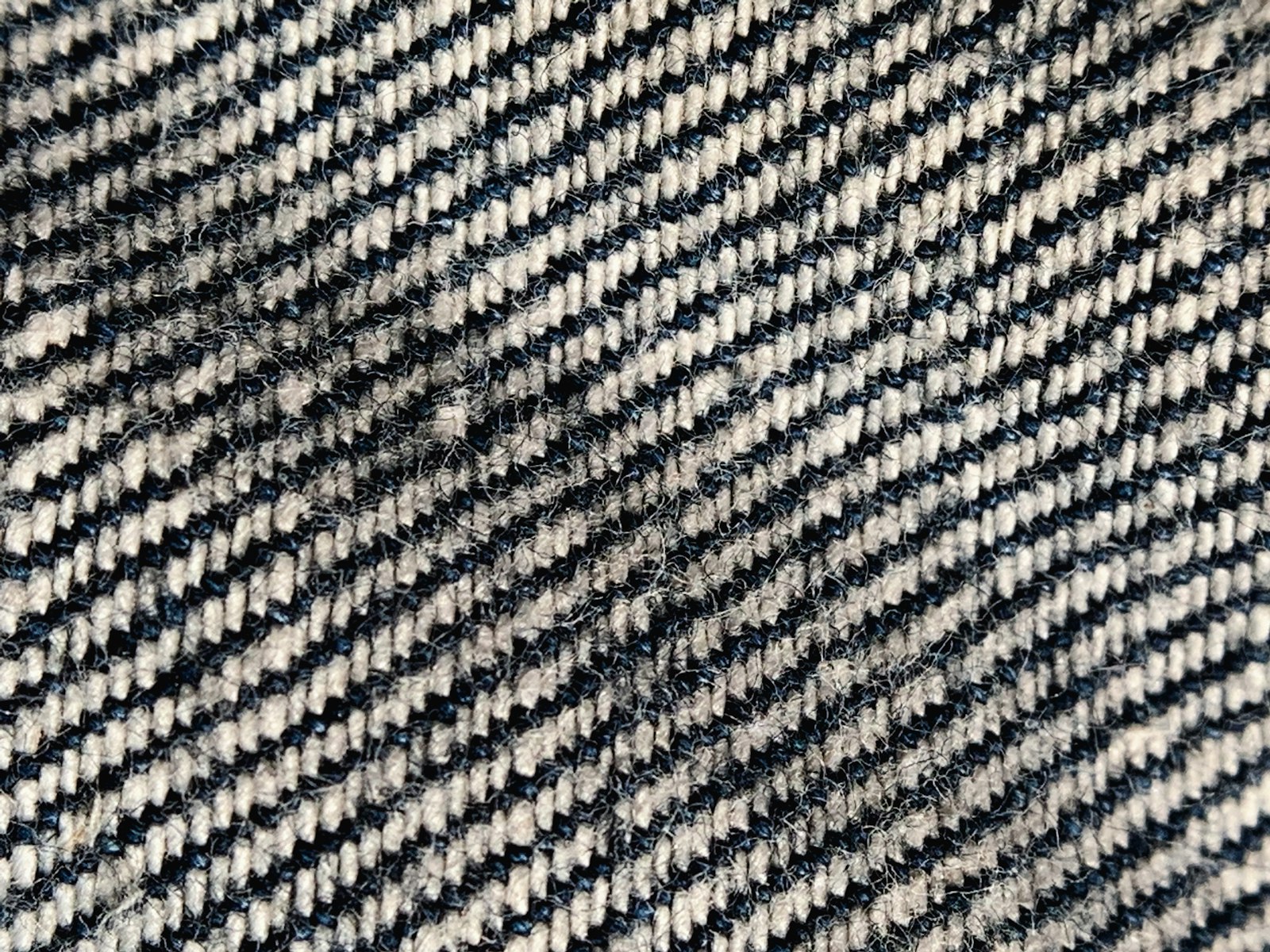
There is a particular category of tweed that has nothing to do with fashion and everything to do with function, born on British estates where a keeper needed a jacket that could survive brambles, rain and a full day on foot without complaint. The gamekeeper’s tweed sits apart from the softer, city-friendly tweeds that dominate menswear now, and understanding what actually goes into a proper one explains why the genuine article still feels different on the body than anything cut from a fashion-house bolt.
Weight Is the First Decision
A true keeper’s tweed typically runs somewhere between eighteen and twenty-two ounces per yard, considerably heavier than the twelve-to-fourteen-ounce cloth used for a city sports jacket. That extra weight is not indulgence; it is what allows the cloth to shed rain, resist thorn and hold its shape after being soaked and dried repeatedly over a season. A lighter tweed simply cannot do this work, however similar it looks on a hanger. The trade-off is obvious — a heavy tweed is warm, sometimes uncomfortably so indoors — which is precisely why it belongs outdoors and not at a desk.
Weave: Herringbone, Twill and the Estate Checks
Herringbone remains the most common weave for genuine keeper’s cloth, its broken, angled pattern giving the fabric extra structural integrity against tearing compared with a plain weave of the same weight. Twill weaves offer similar durability with a slightly smoother hand. Then there are the estate checks proper — the muted, often near-invisible patterns historically associated with individual properties, designed deliberately to blend into the landscape rather than announce themselves. A jacket cut from genuine estate cloth reads as quietly purposeful rather than performatively rustic, which is really the whole point of the garment.
Colour and Camouflage
Green, brown and heathered grey dominate for good reason: they are drawn directly from the palette of moor, wood and stone rather than chosen for how they photograph. Readers building a fuller outdoor wardrobe around this fabric may also want to compare it against the cloth used for a stalking jacket, which shares the same functional lineage but is cut and woven slightly differently for a different kind of day in the field.
Finishing: Why Waterproofing Matters
Much of a keeper’s tweed’s weather resistance comes not from the fibre alone but from the finishing process — a tight, dense weave combined with the natural lanolin retained in minimally processed wool gives the cloth a genuine, if imperfect, water resistance that survives many wears before needing reproofing. Fashion tweeds, by contrast, are frequently woven from more heavily processed wool with the lanolin stripped out during manufacture, which is one reason they feel softer to the touch but perform noticeably worse in genuine rain. A cloth that has been properly milled — fulled and pressed to tighten the weave further — will visibly shed a light shower rather than absorbing it immediately.
Lining and Construction Details That Matter
A gamekeeper’s tweed is typically cut with more room through the shoulder and upper arm than a city jacket, allowing for the layers worn underneath and the freedom of movement needed to shoulder a bag or work with the hands raised. Bellows pockets, a game pocket set into the back lining, and a corduroy or moleskin collar facing that can be turned up against wind and rain are all functional details rather than decorative ones, distinguishing genuine estate cloth construction from the merely tweed-adjacent. Buttons in horn or leather rather than plastic complete a jacket built to be repaired rather than replaced.
The best tweed jackets I own were never bought to look a certain way, one longtime shooting guest told us. They were bought because the alternative was being cold and wet by ten in the morning.
Telling Genuine Estate Cloth from Fashion Tweed
The easiest way to tell the two apart, short of asking the maker directly, is to fold a corner of the fabric between thumb and finger and press firmly. Genuine estate cloth resists compression and springs back with some authority; a lighter fashion tweed flattens easily and takes longer to recover its texture. Weight is the second tell — hold the jacket at arm’s length by the collar, and a proper keeper’s tweed will have a noticeable, almost surprising heft that a city tweed of similar appearance simply lacks. Price is a poor indicator on its own, since fashion houses regularly charge estate-cloth prices for cloth that would never survive an actual day on a moor, so it pays to ask specifically about weight in ounces and weave rather than trusting the label alone.
Buyers should also examine the lining. A genuine working tweed is usually lined only partially, or with a robust cotton or wool lining rather than a slippery synthetic, since the jacket is expected to be worn hard rather than slipped on and off over a dinner jacket. A fully synthetic-lined tweed with a delicate, unreinforced lining is usually a sign the jacket was designed for appearance rather than the field, however convincing the outer cloth looks on its own.
Buying It for a Life Beyond the Estate
Most owners of a genuine gamekeeper’s tweed never once use it for its original purpose, and that is not a contradiction — a well-made, heavy tweed jacket ages beautifully into an autumn and winter staple regardless of whether a moor is anywhere on the itinerary. It pairs naturally with the cloth discussed in our companion piece on keeper’s jacket fabric for those comparing the finer distinctions between estate cloths, and sits comfortably alongside the wider world of tweed and country jackets now available to buyers who want function without pretence. For more on dressing with real intent rather than seasonal trend, visit Style & Watches.
What ultimately distinguishes a proper gamekeeper’s tweed from its many imitators is not visible from three feet away. It is in the weight in the hand, the density of the weave held up to light, and the small, unglamorous details — the game pocket, the horn button, the reinforced elbow — that only ever mattered because someone, somewhere, genuinely needed them to.
Daniel has spent fifteen years arguing that the best watch is the one you never take off.


