
The Best Fabrics for a Stalking Tweed Jacket
Stalking tweed was built to vanish into a hillside, and understanding its weight, weave, and colour logic shapes a jacket worth genuinely owning today.
 By Daniel Koh
1 September 2026 · 6 min read
By Daniel Koh
1 September 2026 · 6 min read
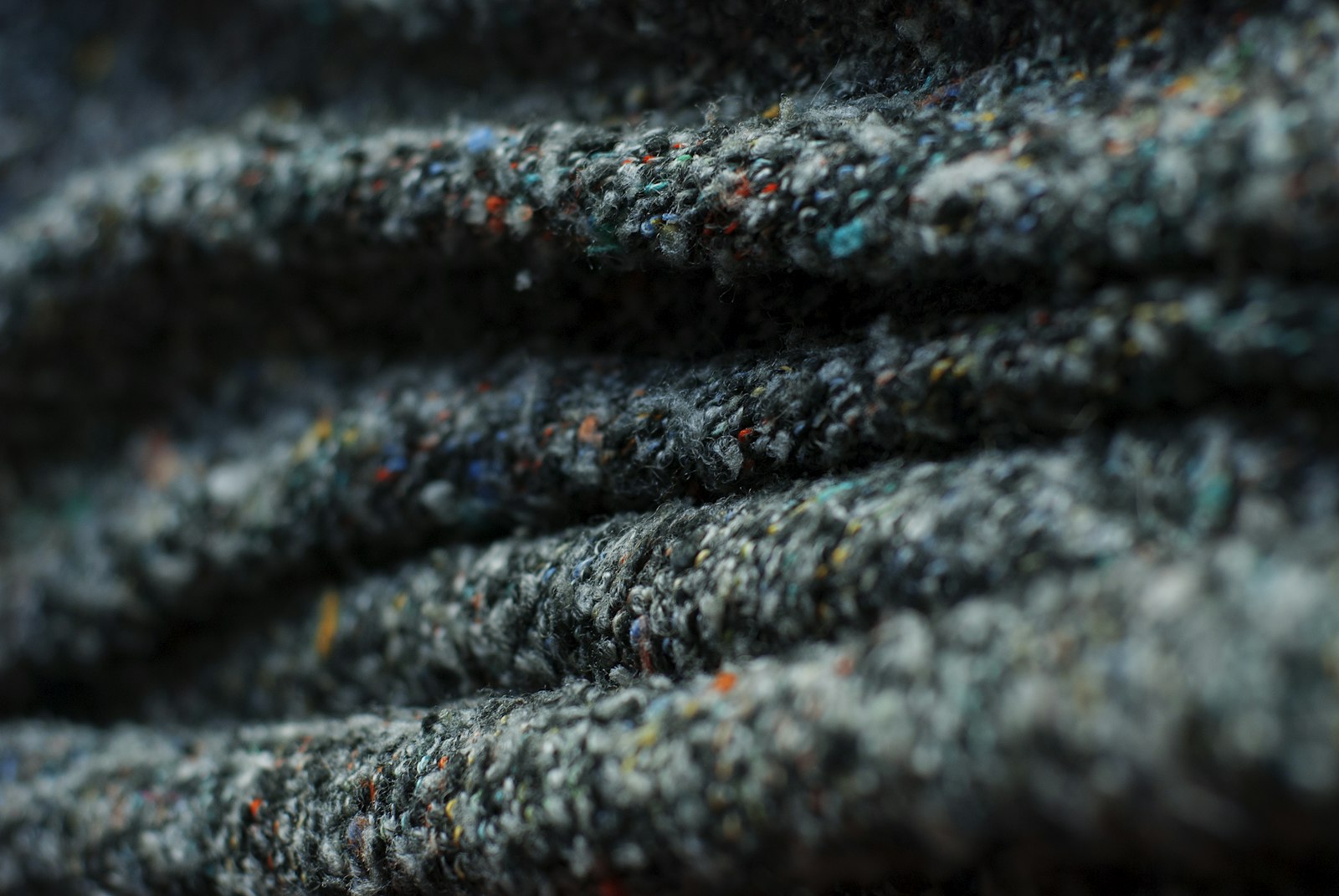
A stalking tweed has one job that no other jacket in a considered wardrobe is asked to do: disappear. Bred for the Scottish hill rather than the city street, it exists to move quietly through bracken and heather without snagging, to shed a fine mist without wetting through, and to blend into a landscape of muted browns and greens well enough that deer and grouse take no notice. Very few of us will ever actually stalk, but the jacket has long since escaped its original purpose, and understanding what made the fabric right for the hill is exactly what makes it right for a considered wardrobe today.
Weight and weave: the two decisions that matter most
Traditional stalking tweed sits heavier than most tweeds seen in city tailoring — typically between eighteen and twenty-two ounces per yard, a weight that feels almost absurd until you understand it was designed for hours outdoors in genuinely cold, wet weather. That heft is doing real work: a densely woven, heavyweight tweed resists wind penetration far better than a lighter cloth, and its density is precisely what gives it a quiet, brushed surface that doesn’t rustle or catch on undergrowth the way a smoother, lighter weave would.
The weave itself is usually a variation on twill, chosen for its durability and its ability to hold a slightly fuzzy, weather-resistant nap when finished. Herringbone stalking tweeds are common and handsome, but true estate tweeds are more often a subtle houndstooth or a plain twill in a muted, mottled colourway — patterns chosen for camouflage rather than visual interest, which is precisely what gives them their understated charm once removed from the hill.
Colour as camouflage, colour as character
Estate tweeds were traditionally woven to match a specific landscape — a particular estate’s colours of heather, bracken, and stone — which is why genuine antique examples can look remarkably close to a mottled brown-green that seems almost too specific to be deliberate. This is, in fact, exactly the point: it was deliberate, down to the estate. A jacket meant to disappear into a hillside forty years ago now reads, in a city context, as a genuinely distinctive and characterful cloth precisely because its colour logic was never designed with fashion in mind.
- Heather mixtures — flecked purples and browns, the classic Highland palette.
- Moor and peat tones — deep, near-black browns with olive undertones.
- Estate checks — muted overchecks in a contrasting thread, subtle enough to read as texture rather than pattern from any distance.
Wool blends worth knowing
Pure wool remains the standard, but a small percentage of cashmere or alpaca blended into the yarn softens the hand considerably without sacrificing the weight and weather resistance that define the category. Some contemporary estate tweeds also incorporate a small amount of nylon or a technical fibre into the weave for additional durability against brambles — a modern concession that purists sometimes resist but that makes genuine practical sense for anyone who will actually wear the jacket outdoors rather than keep it for city use alone.
Reading a good tweed by hand
The best way to judge a stalking tweed is tactile rather than visual. Run a hand against the nap and feel for a slight brushed resistance — this is the fabric’s weather-shedding texture doing its work, and a tweed that feels too smooth or slick has likely been finished for a city cut rather than genuine outdoor use. Hold the cloth up to strong light and look for consistency in the weave; a well-made tweed shows an even, tight structure with no visible gaps, while a cheaper cloth often reveals looser patches that will eventually let wind and light rain through.
A cloth merchant who has sold estate tweeds to Singapore clients built weekend homes in cooler climates once observed that the best way to test a tweed is simple: fold it hard against itself and watch how quickly it recovers its shape. A genuine stalking weight bounces back almost instantly.
Building a jacket suited to occasional cool weather
For a wardrobe based in the tropics, a genuine heavyweight stalking tweed is a considered indulgence rather than an everyday practicality — the kind of jacket that earns its keep on cooler-climate travel, in a mountain retreat, or during the handful of genuinely cool evenings a year here allows. That rarity is, in a sense, part of the appeal: a jacket this specific, this well-made, and this rooted in a particular tradition rewards patience rather than frequent wear. Pairing it thoughtfully with the rest of a considered wardrobe matters too, and it sits comfortably alongside pieces discussed in our guide to the best tweed and country jackets more broadly, or against the sharper lines of the field jacket for a more contemporary outdoor silhouette.
Those drawn to this specific tradition of cloth should also look at how it compares with related genres — the slightly lighter keeper’s tweed, built for gamekeepers rather than the stalk itself, and the more tailored hacking jacket fabrics, which trade weight for a closer, more athletic cut suited to riding. Understanding these distinctions is what separates buying “a tweed jacket” from buying the right tweed jacket for a specific purpose and a specific pleasure.
Caring for a cloth built to last decades
A genuine estate-weight tweed, properly cared for, easily outlasts several decades of occasional wear — these are cloths designed originally to survive a lifetime of hard outdoor use, and treated gently they reward that durability many times over. Brush regularly with a stiff natural-bristle brush to lift debris from the nap, avoid dry cleaning more than once every few years since the process can strip the natural lanolin that gives good tweed its water resistance, and store on a wide wooden hanger rather than folded, which preserves the structure of the shoulder and lapel over time. A well-chosen stalking tweed is, in the end, less a garment than a small piece of craft history — worth seeking out properly rather than settling for an imitation cut for looks alone. Browse further reading in our Style & Watches section for more on building a wardrobe around genuinely considered cloth.
Daniel has spent fifteen years arguing that the best watch is the one you never take off.


