
The Best Everyday Suede and Nubuck Straps
Suede softens a watch instantly, but buying well means knowing nubuck from suede, reading construction properly, and understanding how each survives humidity.
 By Daniel Koh
1 September 2026 · 7 min read
By Daniel Koh
1 September 2026 · 7 min read
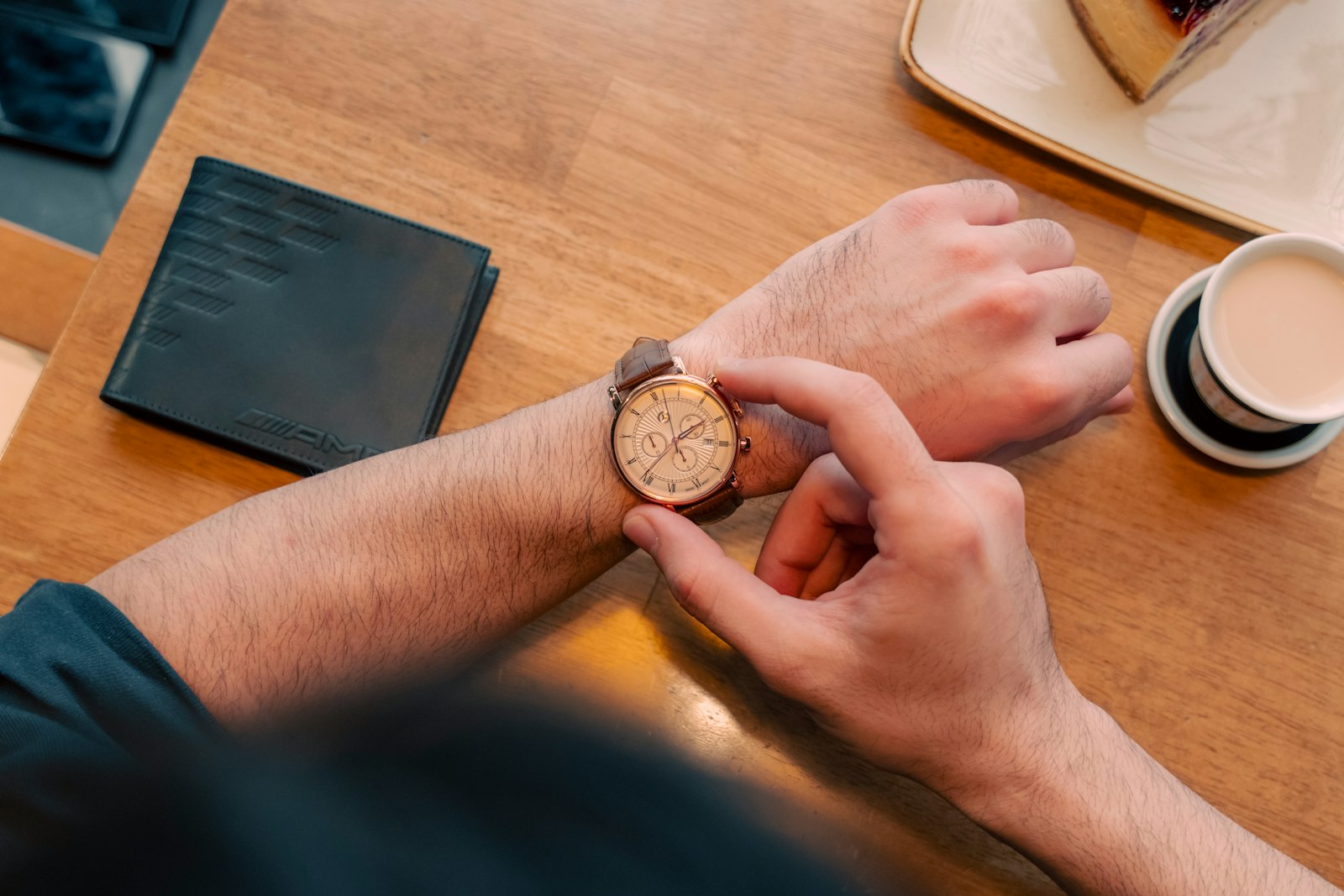
There is a particular pleasure in the first week of a new suede strap, when the nap still catches the light in one direction and the colour hasn’t yet taken on the soft patina of a bag left in a taxi or a wrist brushed against a linen sleeve. Suede and nubuck are the two great “off-duty leathers” in a watch wardrobe, prized for the way they soften the formality of a metal case and lean a piece toward the weekend without tipping it into the sporty. But not all suede straps are equal, and buying one well means understanding what separates a strap that ages into something handsome from one that simply looks tired by its second monsoon season.
Suede versus nubuck: a distinction worth knowing
The two are frequently confused, and shop assistants are not always precise about the difference. Suede is the underside of a hide — typically a thinner, split leather — brushed to raise its fibres into a soft nap. Nubuck is the top grain of a thicker hide, lightly sanded on the outside to achieve a similar velvety finish, which makes it denser, more resilient, and generally longer-wearing than suede. For a strap that will see daily use in a humid climate, nubuck tends to hold its shape and resist scuffing rather better, though suede has the edge in sheer tactile softness and in the depth of colour it takes.
Both leathers share the same essential vulnerability: water. A splash that would bead harmlessly off smooth calf will darken suede or nubuck instantly, and repeated soakings without proper care will leave the nap matted and the strap stiff. This is worth weighing honestly against a Singapore climate before committing — a suede strap is not, on its own, a sensible choice for an afternoon caught in a sudden downpour without an umbrella. For a strap that shrugs off water entirely, our guide to elastic and ribbon straps offers a lighter, more practical alternative.
What separates a good strap from a forgettable one
Construction matters more than colour on a suede strap, because the leather itself is forgiving of small imperfections in a way that smooth calf is not — a slightly uneven stitch line disappears into the nap rather than standing out. Look instead at the lining. A well-made suede or nubuck strap is usually backed with a smooth, sweat-resistant leather or a technical textile, since suede against skin all day tends to absorb moisture and odour faster than most people expect. The best examples also taper properly toward the buckle, rather than remaining a uniform width, which keeps the strap sitting flush rather than standing proud of the wrist. For a fabric alternative that protects the wrist and the case back, our guide to bund and cuff straps considers a sturdier style.
Colour saturation is another tell. Cheaper suede is often dyed unevenly, so the strap looks slightly patchy or chalky at the edges where the dye hasn’t fully penetrated the nap. Hold a candidate strap up to daylight and run a thumb gently against the grain — the colour underneath should match what’s on the surface, not reveal a paler leather beneath a thin coat of pigment.
The case for a considered colour
- Tobacco and cognac — the most versatile pairing with steel or rose gold cases, and forgiving of the inevitable lightening that comes with age.
- Grey and taupe — quietly modern, and particularly good against a white or silver dial.
- Forest green or navy — a more deliberate choice, best kept to a single strap in a rotation rather than an everyday default.
Caring for suede in a tropical climate
A little discipline extends the life of a suede strap considerably. Keep a dedicated suede brush — the fine wire or crepe kind, not a shoe brush — and run it lightly against the nap after a humid day to lift any flattened fibres back into place. A suede protector spray applied before first wear helps repel light moisture without altering the texture, though it will not make the strap waterproof and should never be treated as licence to wear it into rain.
A tailor who has spent three decades fitting straps in a Tanglin Road shopfront once put it plainly: suede is a fair-weather friend, and the trick is simply knowing which days call for it.
Rotation is the other unglamorous secret. A suede strap that gets one day of rest between wears sheds moisture and regains its nap far better than one worn continuously, which is as good a reason as any to own two or three straps and treat the watch on your wrist as a small, changeable wardrobe of its own. For a broader look at how leather straps compare across finishes, our guide to the best everyday leather watch straps is a useful companion piece, and anyone building out a proper rotation should also read our primer on strap and lug-width fitting before ordering anything custom.
Matching a strap to the watch, not just the outfit
The temptation with a soft, casual leather is to reach for it only with equally casual watches — a field watch, a diver on land duty — but a suede strap can do interesting work on a dressier piece too, provided the buckle and stitching stay refined rather than rugged. A thin nubuck strap in a muted taupe under a slim dress watch reads as considered rather than incongruous, softening what might otherwise feel too formal for a Saturday lunch. The reverse is trickier: a chunky suede strap on a delicate vintage case tends to overwhelm it, so keep proportion in mind as much as colour. For dressier pieces still, the best alligator and croc straps remain the traditional choice and a natural next step.
Those who already favour softer leathers on their feet will recognise the logic here — it is the same reasoning behind the enduring appeal of the suede shoe’s return to smart-casual wardrobes, and the same instinct that makes a pair of well-chosen suede loafers for summer such a reliable choice in this climate. A watch strap is, in the end, a small accessory doing a large amount of visual work, and treating it with the same care given to shoes or a jacket pays off in exactly the way you’d expect.
When to retire a strap
Suede and nubuck do not fail dramatically; they fade quietly, and the temptation is to keep wearing a strap past the point where it flatters the watch. The signs to watch for are matting that no longer responds to brushing, a sheen developing at the point of greatest wrist contact, and a lining that has begun to peel or crack at the fold near the buckle. None of these are urgent — a strap in this state still functions — but replacing it is one of the cheapest, most immediate upgrades available to anyone bored of a watch they otherwise still love. For a strap this affordable relative to the case it dresses, there is little reason to let a tired one linger past its best year or two.
Buy well, brush often, and keep rain in mind, and a good suede or nubuck strap will earn its place as one of the most quietly useful pieces in a considered watch collection — the accessory that does the most to make a familiar watch feel, on any given morning, freshly chosen. Explore more of our coverage in Style & Watches for further reading on building a rotation that actually gets worn.
Daniel has spent fifteen years arguing that the best watch is the one you never take off.


