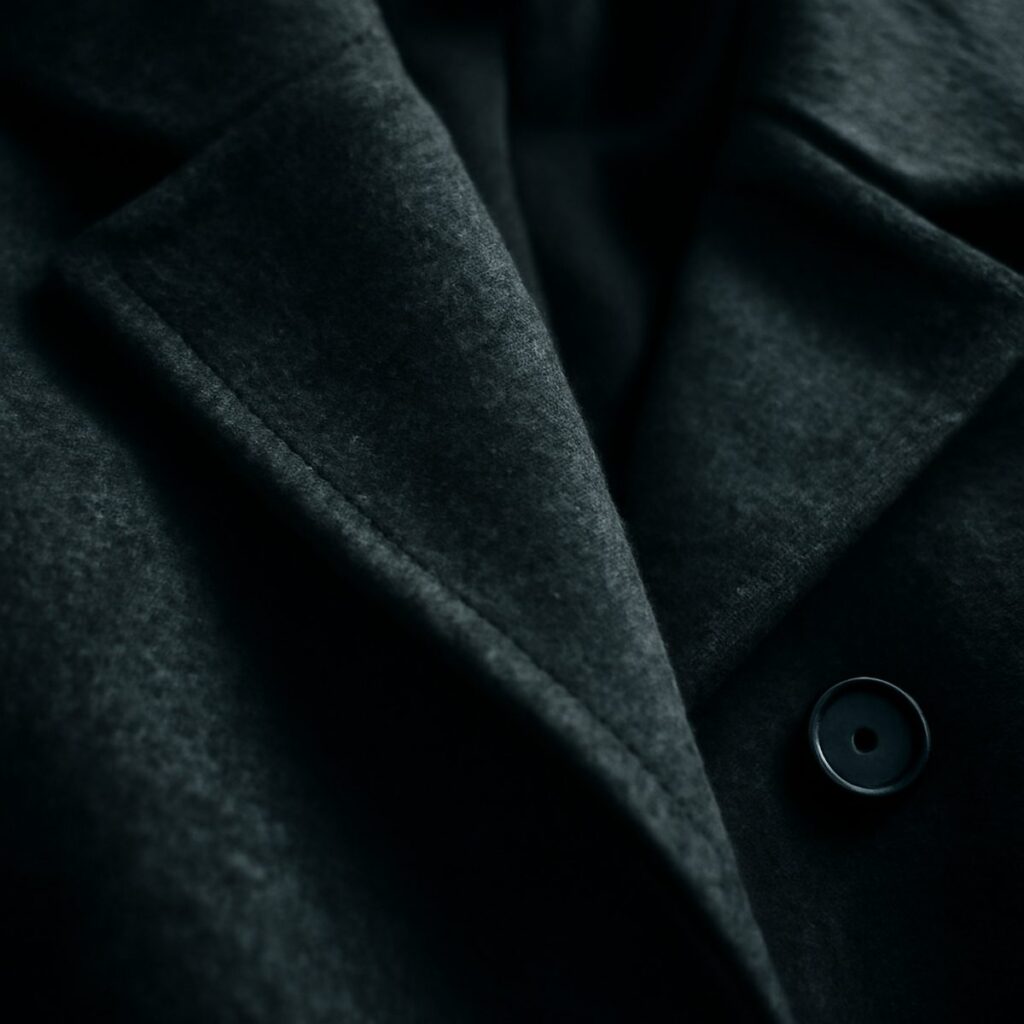
The Best Fabrics for a Hacking Jacket
Born for the saddle, the hacking jacket now lives mostly off it. Here's which cloths still earn the name, and which merely borrow the silhouette.
 By Daniel Koh
31 August 2026 · 5 min read
By Daniel Koh
31 August 2026 · 5 min read
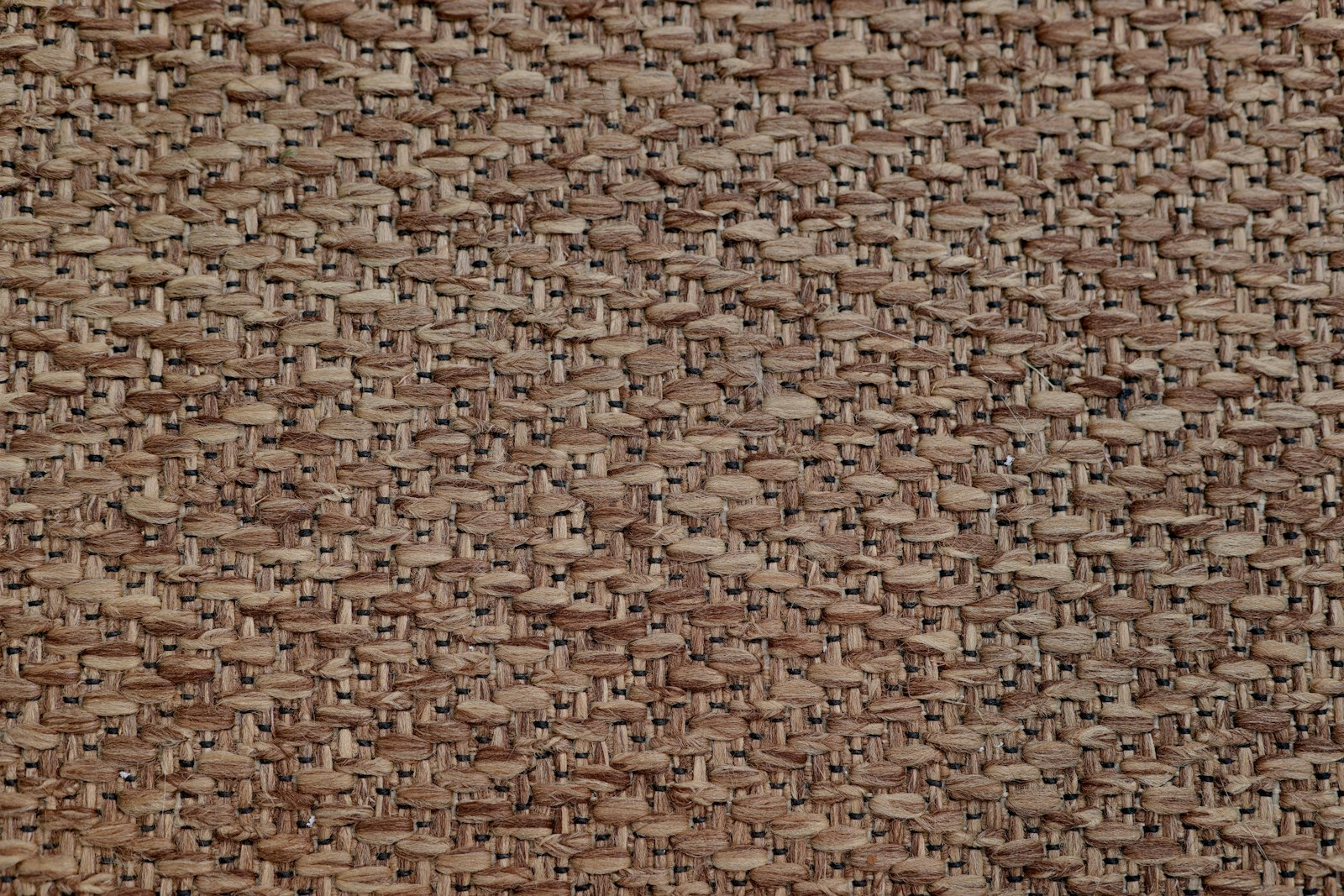
The hacking jacket takes its name from “hacking,” the old term for riding out at a easy, everyday pace rather than for formal hunting, and that origin still shapes everything about how the garment is cut and, crucially, what it is made from. A true hacking jacket needed to survive hours in a saddle, resist a Scottish drizzle, and flex through the shoulder as a rider leaned forward over a horse’s neck. Most people who now own one will never sit a horse in it, but the fabrics that made the original garment work are precisely what make the modern version such a satisfying, durable piece of tailoring — provided you know what to look for beneath the flattering slanted pockets and the single vent cut for movement.
Tweed and its weights
Tweed remains the spiritual home fabric of the hacking jacket, and for good reason: its rough, closely woven wool fibres resist wind and light rain in a way few other cloths manage without a technical membrane. Not all tweed is equal, however, and weight is the first thing worth understanding. Heavier tweeds, in the range most tailors would call 16 to 18 ounces, were built for genuine outdoor use in cold, wet conditions — wonderful in a temperate country house, considerably too warm for anything resembling a Singapore afternoon even in an air-conditioned room.
Lighter tweeds, closer to 11 to 13 ounces, retain the texture and character of the cloth while shedding much of the bulk, making them a far more sensible choice for anyone building a single hacking jacket to wear occasionally rather than daily through a genuine winter. Herringbone remains the most versatile weave within tweed, its diagonal zigzag pattern reading as textured without becoming the loud, flecked Donegal tweeds better suited to weekend country wear. Readers curious about tweed more broadly, including how it differs across regional traditions, may enjoy the best tweed and country jackets, which covers the wider category this piece narrows into one specific silhouette.
Cavalry twill and whipcord
Beyond tweed, two other cloths have genuine historical claim to the hacking jacket: cavalry twill and whipcord. Both are worsted wool cloths woven with a pronounced diagonal rib, originally developed for military riding trousers before migrating into jacket cloth, and both offer something tweed cannot — a smoother, more formal surface that reads closer to business tailoring while retaining real durability. Cavalry twill in particular has a distinctive double-twill rib that catches light attractively and resists creasing far better than a flat worsted, which made it popular for riding wear that needed to survive a full day without looking rumpled by lunch.
Whipcord is closely related but tends to have a steeper, more pronounced rib and a slightly harder finish, historically favoured for its resistance to abrasion against saddle leather. Either cloth makes a hacking jacket that can plausibly be worn into a smart-casual office setting, something a heavyweight tweed rarely manages gracefully. Riding-derived tailoring of this kind translates surprisingly well into everyday cuts, provided the cloth is chosen with genuine restraint.
Fabric shortlist for a first hacking jacket
- Lightweight herringbone tweed (11–13oz) — the most versatile starting point, texture without excess warmth.
- Cavalry twill — smoother and more formal, works well transitioning into office wear.
- Covert cloth — tightly woven, weather-resistant, and quietly understated for daily use.
- Whipcord — the most durable option, best suited to genuinely active outdoor use.
Covert cloth: the underrated option
Covert cloth deserves more attention than it usually receives. Woven from a mix of wool fibres in slightly different shades, then given a tight, weather-resistant finish, it was originally developed for hunting wear that needed to shed brambles and light rain without the visible texture of tweed. The result is a cloth that looks almost plain from a distance — often a soft fawn or olive — but reveals a subtle mottled depth up close, aging attractively as it wears rather than looking tired. It is, in many ways, the most understated and office-friendly of the traditional hacking cloths, working equally well paired with grey flannel trousers or dark denim.
“A good covert coat is the jacket nobody notices you’re wearing the same one twice, because it never quite looks the same way twice,” a Savile Row-trained tailor once observed of the cloth’s peculiar, forgiving depth of colour.
Choosing for Singapore’s climate
The honest truth is that a genuine hacking jacket, in any of these cloths, is a piece built for cooler air, and most owners in Singapore will wear theirs rarely — on a trip north, in a heavily air-conditioned setting, or as a considered layer for an evening event. That rarity is precisely why fabric choice matters so much: a jacket worn only a handful of times a year needs to be right the first time, since there is little opportunity to learn its quirks through regular wear. Lightweight tweed or covert cloth, in a mid-brown or olive that pairs easily with existing trousers, tends to reward this kind of occasional ownership best.
For those weighing whether a hacking jacket belongs in a wardrobe at all, it is worth considering alongside other country-derived jacket cloths — our guide to the best fabrics for a shooting jacket and its companion piece on the best fabrics for a country jacket both cover related territory, and comparing the three helps clarify which silhouette and cloth actually suits how you intend to wear it.
A jacket that outlives its origin
What makes the hacking jacket worth the investment, regardless of climate, is that its riding-derived details — the slanted pockets, the single deep vent, the slightly flared skirt — translate beautifully into ordinary tailoring, adding just enough texture and history to a wardrobe otherwise built from flat worsted suiting. Paired with a properly tailored trouser, a good hacking jacket in the right fabric becomes one of the more quietly versatile pieces in a considered wardrobe — not because it apes formality, but because it was built, cloth first, to actually work. Explore more tailoring guidance across our Style & Watches section.
Daniel has spent fifteen years arguing that the best watch is the one you never take off.