
How to Build a Coastal-Climate Wardrobe
Salt air, humidity and shifting light make coastal dressing its own discipline. Here is how to build a capsule that holds up from breakfast to sundowners.
 By Daniel Koh
31 August 2026 · 6 min read
By Daniel Koh
31 August 2026 · 6 min read
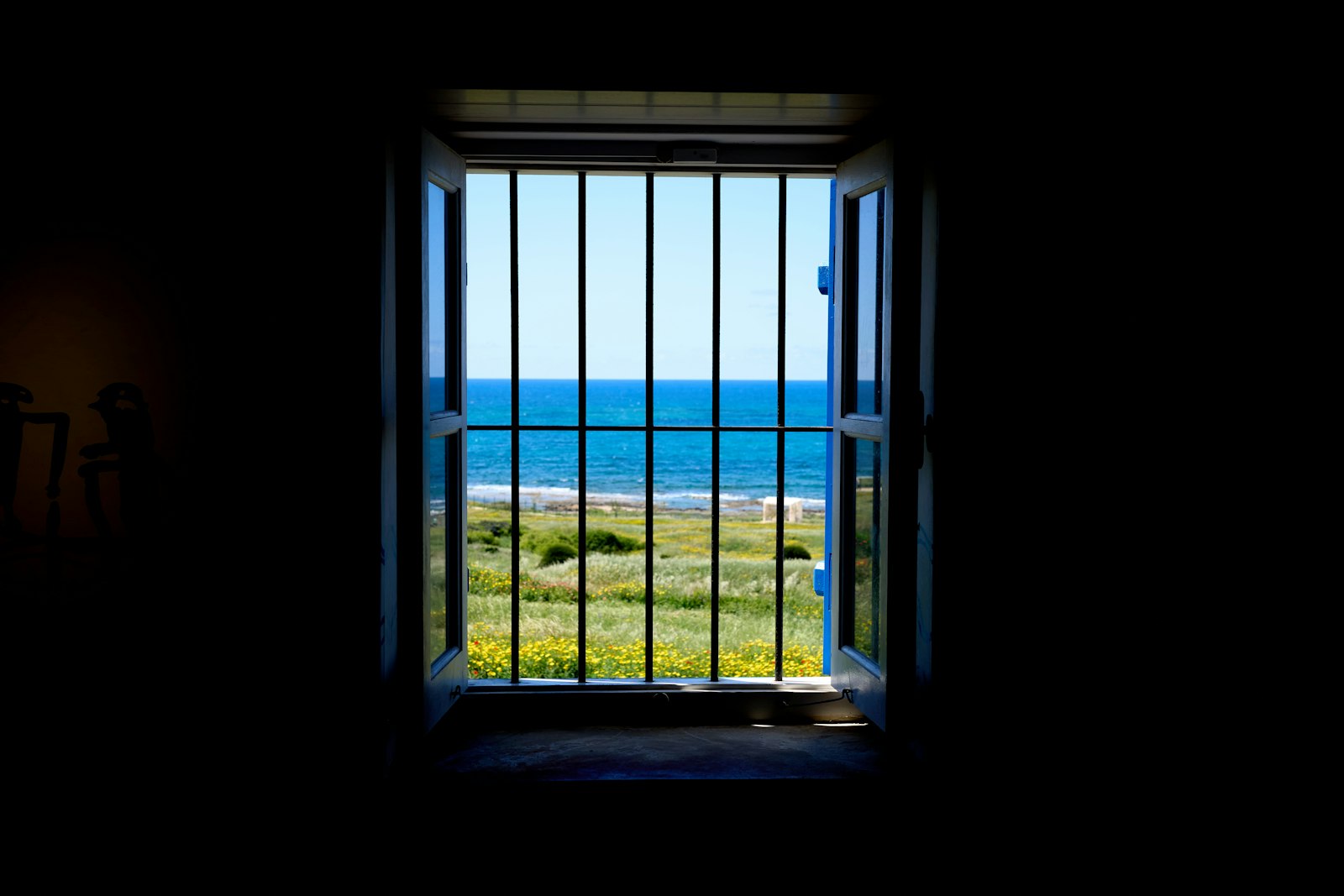
There is a particular test that coastal dressing puts a wardrobe through that no city closet ever faces. Salt air corrodes hardware quietly over a season. Humidity turns a merino jumper into a damp weight by midday. And the light itself — flatter, whiter, more insistent than inland light — has a way of making anything too structured look faintly absurd against a horizon. Building a wardrobe for this kind of place, whether it is a family home on the east coast or a week at a beach retreat, is less about buying resort clothes than about rethinking what “considered” means when the context changes from concrete to sand.
Start with fabric, not colour
The instinct in coastal dressing is usually to reach for colour first — the pastels and whites that read as vacation. But fabric performance matters more, and it is worth thinking through the same way we approach building a tropical formal wardrobe: natural fibres that breathe, weaves open enough to move air, and finishes that do not hold moisture. Linen remains unmatched here, not because it looks effortlessly good when creased — though it does — but because its open weave genuinely cools the body in a way synthetic blends cannot replicate. A lightweight cotton-linen blend extends that comfort into trousers and lighter jackets without linen’s tendency to wrinkle on a long car journey.
Where coastal dressing differs from a purely tropical wardrobe is in its need for range across a single day. Mornings by the water can be genuinely cool, particularly with a breeze off the sea, while midday sun is unforgiving. The solution is layering with intention rather than bulk: a fine cotton overshirt that can be shed by 11am, a proper linen shirt worn open over a t-shirt, nothing that requires a full change of clothes to accommodate a ten-degree swing.
The pieces worth owning
Foundations
- Two or three linen or linen-blend shirts in pale, sun-reflecting tones
- Lightweight cotton trousers or shorts with a relaxed but not sloppy cut
- A single pair of suede or canvas loafers that can go from sand to lunch without changing
- One genuinely water-resistant item — a light shower jacket rather than anything wool
Footwear deserves particular thought in salt-air environments. Leather that would last a decade inland can crack within a season if worn barefoot-style near the water without care, which is why a rotation built around suede loafers for summer tends to outperform anything more formal. Suede handles humidity better than most people expect, provided it is brushed and allowed to dry properly rather than stored damp.
Accessories that earn their place
A coastal wardrobe also asks different questions of its accessories than a city one does. Sunglasses need a frame that will not warp with heat left in a car; a hat becomes genuinely functional rather than decorative; and even the watch on the wrist is worth reconsidering, since a leather strap that performs well in an air-conditioned office can turn stiff and unpleasant within a day of humidity and salt spray. Many people who spend real time near the water end up gravitating toward woven or elasticated straps for exactly this reason, alongside a case and bracelet finish that will not mark easily if knocked against a boat rail or a stone terrace.
What to leave at home
The coastal wardrobe is defined as much by exclusion as inclusion. Heavier wool, anything with a lot of structure in the shoulder, and dark colours that absorb heat all fight against the setting rather than working with it. Metal hardware — belt buckles, watch cases, jacket buttons — should lean toward stainless or coated finishes rather than anything prone to salt corrosion, a lesson anyone who has left a favourite belt buckle exposed to sea spray for a season learns only once. Cooler, wetter uplands call for an entirely different approach, as our guide to building a highland-climate wardrobe explains.
The best coastal wardrobe is the one you stop thinking about by the second day — nothing precious, nothing that demands a change of plan because of the weather.
Packing it down for a weekend
Because the coastal wardrobe is built on a small number of high-performing pieces rather than a large rotation, it packs unusually well. A weekend by the water rarely needs more than three shirts, two pairs of trousers or shorts, one pair of loafers and a single layering piece, all of which should fit into a soft holdall without needing to be pressed on arrival. Linen’s tendency to crease is, in this context, an advantage rather than a flaw — a slightly rumpled shirt reads as intentional at the coast in a way it never quite does in an office.
Colour choices are worth planning before packing rather than during it. A tight palette of white, stone, pale blue and one deeper accent — navy or a muted olive — means every piece worn can be mixed with every other piece, which matters more on a short trip than it does at home, where a wider wardrobe absorbs the occasional mismatch. This is the same discipline behind any well-built capsule wardrobe, simply reapplied to a setting where humidity and salt are the constraints rather than a limited suitcase.
Building for the return
The final piece of a genuinely useful coastal wardrobe is versatility beyond the coast itself. Pieces bought purely for a beach house rarely earn their keep if they cannot also do quiet weekend duty back in the city. A well-cut linen shirt, a pair of suede loafers, lightweight trousers with a proper drape — these all transition without friction into the kind of relaxed weekend dressing covered in our broader guide to a weekend wardrobe, which means the investment does not sit idle for eleven months of the year waiting for the next trip to the water.
Approached this way, a coastal-climate wardrobe stops being a novelty bought once for a holiday and becomes a genuine extension of a considered style — one built around comfort in humidity, resistance to salt, and a palette that reads as calm rather than costume. The best test remains the same one that governs any capsule worth building: would you still reach for it on a Tuesday at home, long after the holiday itself is over.
Daniel has spent fifteen years arguing that the best watch is the one you never take off.


