The Best Highland and Tea-Estate Retreats
Cooler air, greener hills, and rows of tea bushes running to the horizon. Here is where the highland retreat is still done with genuine, unhurried care.
 By Marcus Lim
30 August 2026 · 6 min read
By Marcus Lim
30 August 2026 · 6 min read
There is a moment, driving up into tea country, when the air changes before the scenery does. The heat of the lowlands lifts, the windows come down, and the road begins to switchback through hillsides combed into neat green rows that look, from a distance, almost too regular to be agriculture. This is the particular appeal of a highland tea-estate retreat: a landscape shaped by generations of careful cultivation, offered as backdrop to a stay that trades heat and pace for altitude and quiet.
The Colonial-Era Bungalows
Many of the region’s tea-growing hills were first developed as plantations during the colonial era, and a number of the original planters’ bungalows survive today as guesthouses — wide verandas, working fireplaces, gardens gone slightly wild at the edges, and the unmistakable sense of a house built for someone who intended to stay a long time. These properties tend to be small, often no more than a handful of rooms, and their charm lies less in polish than in atmosphere: creaking floorboards, mismatched antique furniture, and staff who often have generational ties to the estate itself.
A stay here typically comes with the option of a guided walk through the working tea gardens, timed to the morning pluck when pickers move through the rows with practised speed. It is one of the few remaining places to see manual tea harvesting up close, and the contrast between the delicate, repetitive work and the sweeping scale of the estate is genuinely striking.
Modern Lodges Built for the View
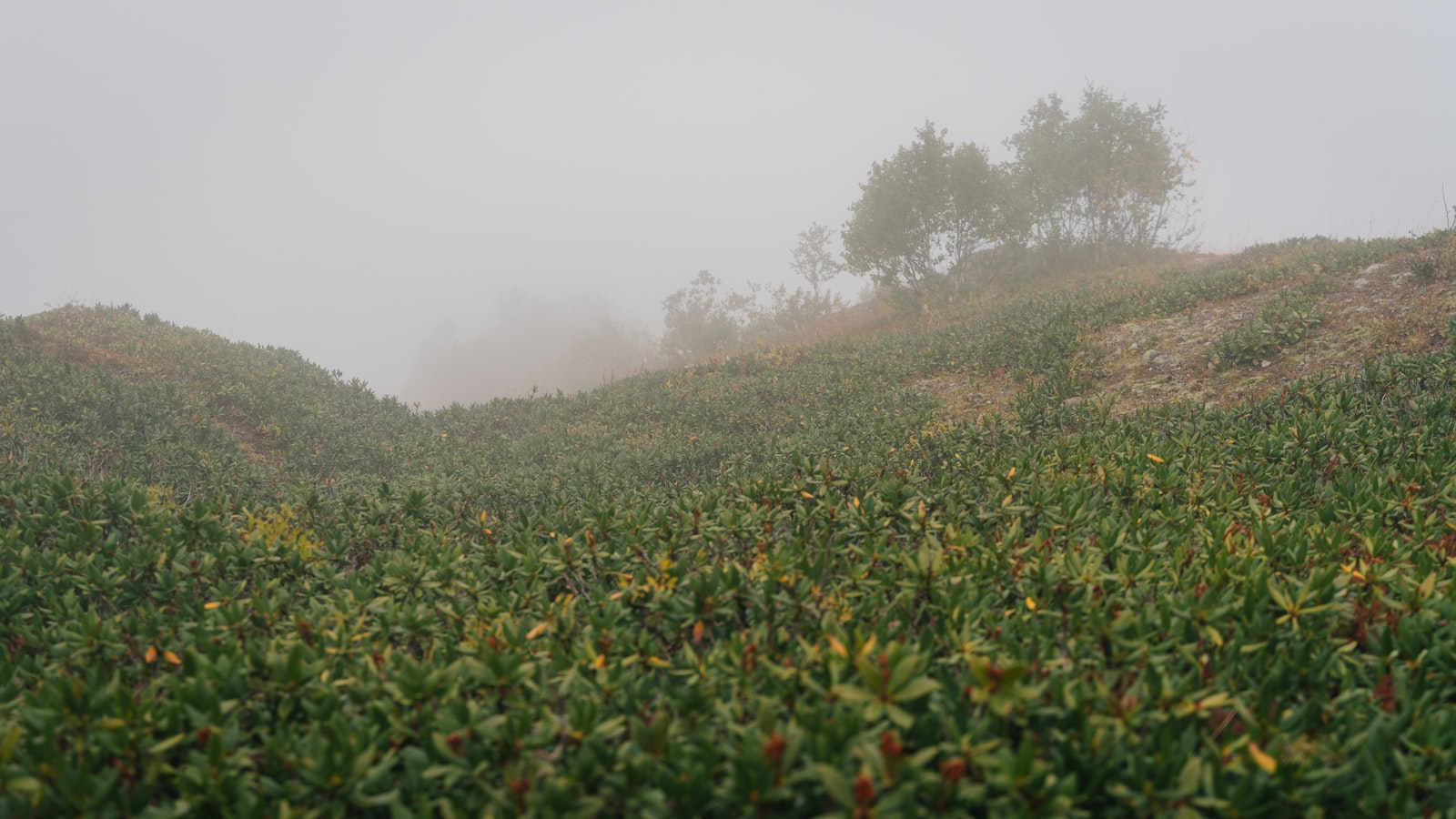
A newer generation of highland retreats takes a different approach, built specifically to frame the landscape rather than inherited from an agricultural past. These properties tend to favour glass-fronted rooms, infinity-edge pools that appear to spill into the valley below, and interiors that lean into natural materials — timber, stone, undyed wool — in a way that feels considered rather than rustic for its own sake. Many sit at altitudes high enough that mist rolls through the grounds most mornings, burning off by mid-morning to reveal the full sweep of the hills.
What to Look for in a Highland Retreat
- A working relationship with a real tea estate, not just a decorative garden
- Rooms with a fireplace or heating — highland nights are genuinely cold
- A kitchen that uses the estate’s own tea in cooking, not just in the pot
- Walking trails that leave the immediate grounds, into the wider estate
The Ritual of Tea at the Source
Staying on or near a working estate changes one’s relationship with tea considerably. Tastings here are conducted by people who know the specific hillside a leaf came from, the weather that season, and the exact processing method used — a level of specificity that a shop-bought tin can never convey. Several estates offer factory tours through the withering, rolling and firing process, which demystifies what is, at heart, a fairly industrial operation dressed in agricultural romance, without diminishing the pleasure of the final cup.
Those interested in the broader culture around tea, beyond the estate stay itself, may enjoy our companion piece on tea ceremonies and culture, which looks at how the drink is treated ritually across the region, from formal ceremony to the everyday cup.
Beyond Tea: The Wider Highland Landscape
Not every highland retreat sits on a tea estate specifically, and the broader category of hill-country stays includes properties built around coffee, spice, or simply the cooler climate itself. What they share is a landscape and pace distinct from the coastal and urban resorts more commonly associated with the region — mornings that call for a jumper, evenings around an open fire, and a general absence of the pool-bar culture that defines beach travel.
An estate manager once told me the best tea came from bushes grown at the edge of comfort — not too hot, not too cold, not too easy to reach. I have thought about that line every time I have driven up a highland switchback since.
For travellers who enjoy this cooler, slower register, our guide to Taipei’s hot spring country shares a similar highland sensibility, built around a different natural resource but the same instinct to retreat uphill from the heat. And our roundup of the best vineyard and wine estates to stay offers a useful parallel for those drawn to the idea of a working agricultural estate as the setting for a considered stay.
Getting There and Getting Comfortable
Access to highland tea country is rarely fast — winding mountain roads, sometimes several hours from the nearest airport — and this is, in its way, part of the appeal. A slow, scenic drive up through changing vegetation zones sets the tone for a stay built around unhurried mornings and early nights, and the effort required to get there tends to filter out the kind of traveller who wants a resort experience rather than a genuine change of altitude and pace. Packing for a highland stay differs meaningfully from packing for the rest of a tropical itinerary — a proper jumper and closed shoes earn their place in the case, and a light waterproof is rarely wasted, since hill weather turns quickly and a clear morning can give way to drizzle within the hour.
Meals, too, tend to follow a different rhythm at altitude. Estates often serve dinner earlier than lowland resorts, timed to the temperature drop rather than a fixed hour, and many kitchens lean on hearty, warming dishes — soups, braises, baked goods — that would feel out of place at sea level but suit the cooler evenings perfectly. It is worth asking, on arrival, whether the estate runs communal meals or private dining, since the smaller bungalow-style properties often gather all guests around one table, which can be its own quiet pleasure after a day of walking among the rows. Our broader Travel & Stays section has further ideas for those planning a slower kind of holiday in the region.
What lingers longest after a stay like this is rarely a single amenity but the cumulative effect of the setting: cooler air, greener light, and the particular hush of a hillside where the only sound most mornings is the clip of shears and the occasional call between pickers moving through the rows.
Marcus writes on travel and hospitality across Asia, and is happiest a long way from a lobby.