The Case for the Vineyard Stay
A vineyard stay swaps the hotel for a room among the vines, wine at the source and the slow rhythm of the estate. The case for sleeping where wine is made.
 By Marcus Lim
1 September 2026 · 6 min read
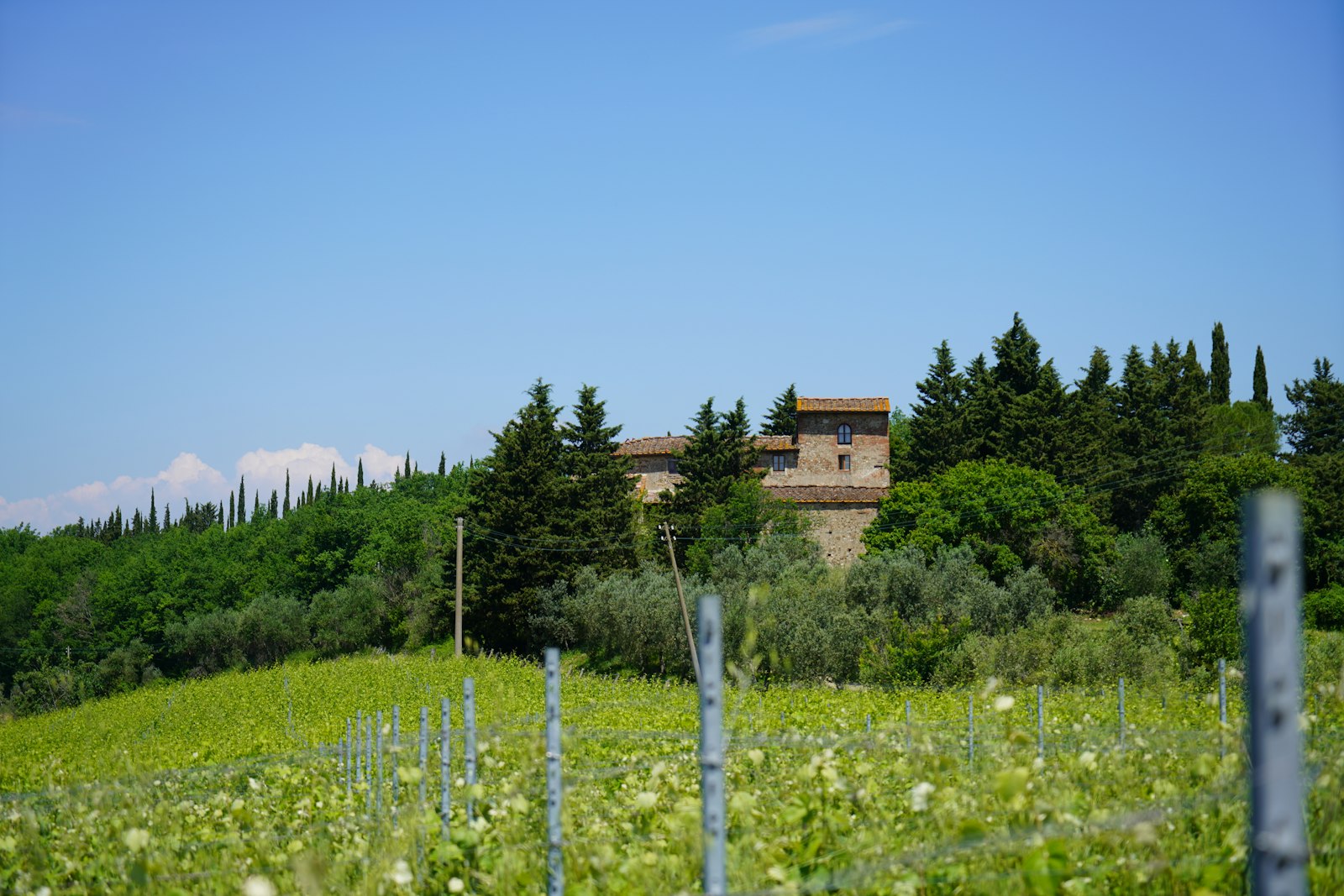
There is a particular pleasure in staying where a thing is made rather than where it is merely served. To sleep on a working vineyard — to wake among the vines, to walk the rows before breakfast, to drink at dinner the wine that was pressed from the fruit outside your window — is to close a gap that most travel leaves open. It is the difference between visiting a place and, however briefly, belonging to it. The vineyard stay is one of the finest ways to travel slowly, and the case for it is easily made.
Wine at the source
The obvious appeal is the wine, and it does not disappoint. To drink a wine on the estate that made it, within sight of the vines that grew it, is to taste it differently — with the context that a restaurant list can never supply. The winemaker will pour you the current vintage and, if you are lucky and ask kindly, something older from the cellar; you will taste the difference between two hillsides, two years, two ways of working. This is wine education of the most pleasurable kind, conducted over a table rather than in a classroom. For those wanting a grander house alongside the wine, the vineyard chateau stay offers the same immersion on a more formal scale.
But the wine is only the beginning. The deeper pleasure of the vineyard stay is the rhythm of the place — the slow, seasonal work of the estate, which goes on around you whether you engage with it or not, and which lends the whole stay a groundedness that a hotel never has. This is the same rooted pleasure we found in the case for the farm stay, translated from the field to the vine.
The rhythm of the estate
A vineyard runs on the seasons, and staying on one attunes you to them. In spring the vines are pruned and the first green appears; in summer the canopy fills out and the fruit sets; in autumn comes the harvest, the busiest and most exciting time, when the estate works from dawn and the air smells of crushed grapes. Even in the quiet of winter, when the bare vines stand in rows against the frost, there is a beauty to the sleeping land.
To stay on a vineyard is to borrow, for a few days, the rhythm of the land — the slow seasonal work that turns fruit into wine, and hurry into patience.
The seasonal character of the stay is also its finest teacher. Come at harvest and you will understand, as no tasting note can convey, the sheer labour and anxiety and joy that go into a single vintage; come in the quiet of winter and you will see the bones of the estate, the bare vines and the resting cellar, and understand the patience the work demands. Either way you leave knowing the wine differently — not as a product on a list but as the end of a long year’s work in a particular place, made by people whose faces you can now put to it. That is a knowledge no amount of drinking at home can supply.
Time your stay to the season you want. The harvest is thrilling but the estate is busy and the rooms are scarce; late spring and early autumn offer the vines at their best with more of the winemaker’s attention to spare. Whenever you come, the pace is unhurried, governed by the slow work of the year rather than the clock — the same seasonal patience that rewards the traveller in the Douro valley, one of the great vineyard landscapes.
What a vineyard stay looks like
The form varies enormously, from a single restored room in a working farmhouse to a handful of elegant suites in a converted cellar building, and the choice depends on what you want from the stay.
- The working estate: a room or two on a small family vineyard, breakfast with the family, wine poured by the person who made it — intimate and unpolished.
- The estate guesthouse: a handful of rooms in a converted winery building, with more comfort and privacy but the same connection to the land.
- The grand domaine: a full country-house stay on a large estate, with fine dining and a cellar to match — luxurious, if less intimate.
The best of them, at any scale, share a connection to the work of the place. You want to be able to walk the vines, to see the cellar, to eat food that reflects the region, and to drink the estate’s own wine at its own table. A vineyard stay that keeps you at arm’s length from the winemaking has missed its own point. The same is true of the great agricultural stays more broadly, from the olive groves of the Mediterranean to the orchards of temperate valleys — a family we explore in the best olive grove and orchard stays.
Eating with the wine
The food of a good vineyard stay is inseparable from the wine, because both come from the same region and were made to go together. This is the deepest lesson the stay teaches: that a wine tastes different, and better, with the food of its own place — the cheese, the cured meat, the vegetables, the bread of the region that shaped the wine. A dinner on the estate, matched by the winemaker, is an education in this that no restaurant can quite replicate, because no restaurant has the vines outside the window.
Ask to eat what the family eats, drink what they recommend rather than what you think you know, and let the meal run long. The unhurried dinner, wine and food and conversation unspooling into the evening, is the heart of the vineyard stay.
The case, made
A vineyard stay is travel with its roots in the ground. It offers wine at its source, food in its context, and above all the slow, seasonal rhythm of a working estate — a rhythm that resets the hurried traveller as surely as any spa. Choose an estate that will let you close to its work, come in a season that suits you, and stay long enough to feel the pace of the place settle into you. Vineyard stays exist across the wine world, from the classic regions of Europe to the emerging estates of Asia — the latter a subject we take up in the best vineyard retreats in Asia. For more ways to stay that put you closer to the land, the rest of our Travel & Stays writing is the place to look.
Marcus writes on travel and hospitality across Asia, and is happiest a long way from a lobby.