A Guide to the Villages of the Luberon
The hilltop villages of the Luberon are Provence at its most enduring, all stone lanes, ochre light and old markets. A guide to the quiet ones worth your time.
 By Marcus Lim
1 September 2026 · 6 min read
By Marcus Lim
1 September 2026 · 6 min read
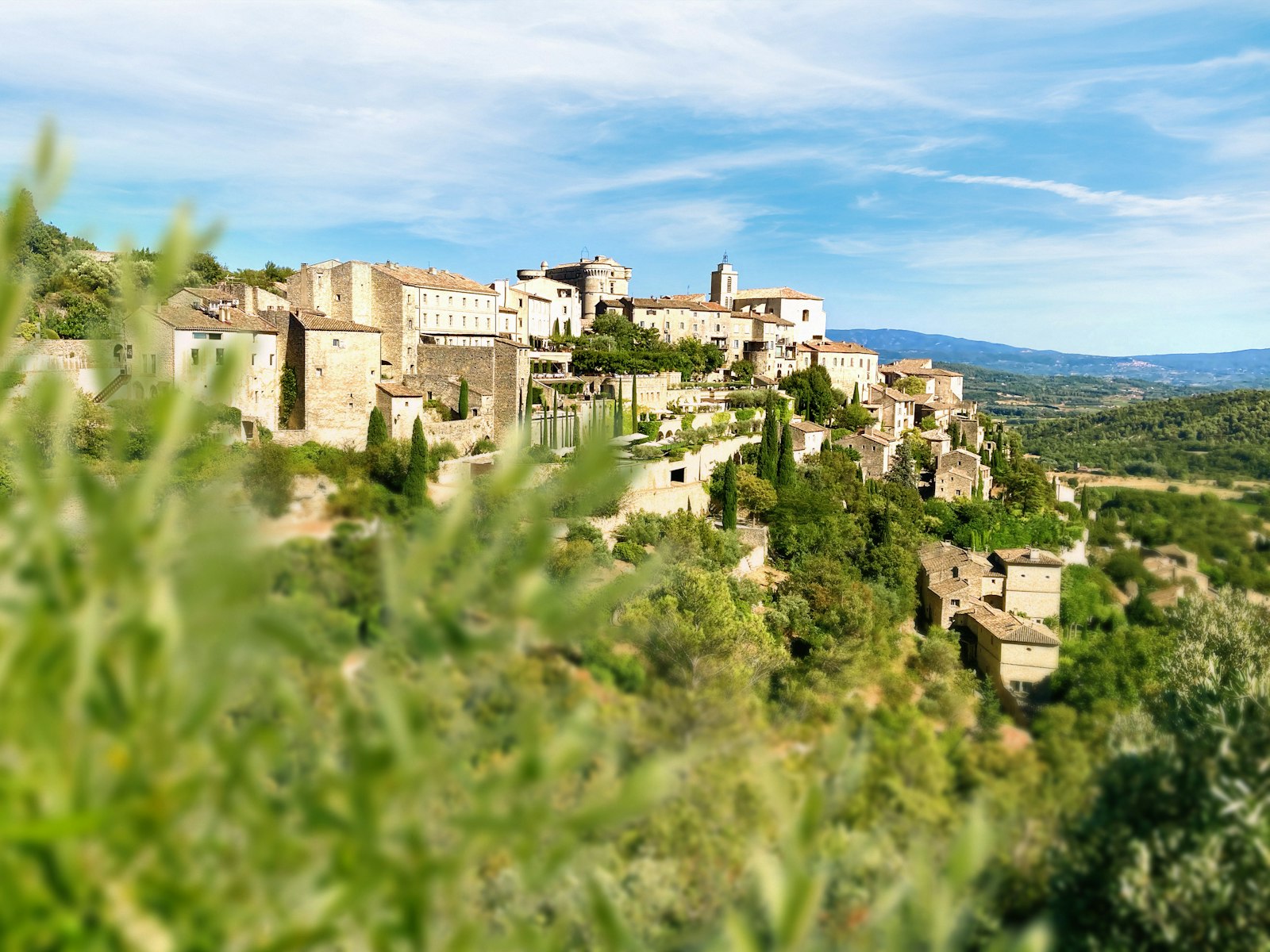
Provence has been loved almost to death, and the traveller who wants the real thing must know where to look. The Luberon — a range of low, wooded hills between the Rhône and the Alps, strung with villages of honey-coloured stone — is where much of that real thing survives. It is a landscape of hilltop towns and market squares, of lavender and vines and the particular golden light that has drawn painters for a century, and it rewards the traveller who comes slowly, stays in one village, and lets the days find their own shape.
Villages built into the hills
The defining feature of the Luberon is the perched village — the town built on a hilltop for defence in less peaceful centuries, its houses rising in tiers of pale stone to a church or a castle at the summit. Approached across the plain, these villages seem to grow out of the rock itself, the same honey-gold stone as the hills they crown. Up close they are a maze of stepped lanes, vaulted passages, and small squares with a fountain and a plane tree, worn smooth by centuries.
Each village has its own character, and the pleasure of the Luberon is in the difference between them. One is known for its Wednesday market and its bustle; another sits almost silent on its ridge, home to a handful of families and a single café; a third clusters below a ruined castle, its lanes hung with the studios of potters and painters. To move between them, slowly, over a week, is to read the whole region. This is the same pleasure the Italian mountain villages offer, as we explore in the quiet villages of the Italian Dolomites.
The market is the week’s rhythm
Provençal life runs on its markets, and each village holds its own on a set day. The market is not a tourist show — though tourists come — but the genuine weekly resupply, where the growers and makers of the region bring their produce to the square. To shop a Provençal market well is to eat well all week: the goat’s cheeses, the olives and tapenade, the tomatoes and melons and figs in their brief seasons, the honey and lavender, the roast chickens turning on a spit. A similar pleasure awaits further north among the wine villages, as our guide to the villages of the Beaujolais describes.
The Luberon is best measured in market days. Shop the square in the morning, eat what you bought at noon, and let the afternoon dissolve into the golden light. That is the whole art of it.
The pleasure deepens the longer you stay, because the villages reveal themselves slowly. On the first day you see the obvious beauty — the stone, the light, the long views over the vines. By the third you have found the good baker, learned which café the locals use, and noticed the quiet hour when the day-trippers leave and the village exhales and becomes itself again. This is knowledge that only time in one place can buy, and it is the whole difference between photographing Provence and briefly belonging to it. The same slow approach serves equally well further west, as our guide to the villages of the Périgord suggests for those drawn to a quieter corner of France.
Plan your week around the markets, each in a different village on a different day, and you have both your sightseeing and your shopping settled at once. Buy for lunch, carry it back to wherever you are staying, and eat it under a tree with a bottle of the local rosé. The pleasure of eating what a region grows, at its source, is one we return to often, including in our note on the best olive grove and orchard stays.
Which villages, and how to see them
The temptation is to see them all, ticking off perched villages in a rented car until they blur into one. Resist it. The Luberon rewards depth over breadth — better to know three villages well than to photograph a dozen from the car park.
- Base yourself in one village, ideally a smaller and quieter one, and let it become home for the week.
- Visit the market villages on their market days, and the quiet ones in the still of a weekday.
- Walk between villages where you can — the paths through the vines and the scrubland are half the pleasure, and the pace is right.
- Save the most famous villages for early morning or late afternoon, when the day-trippers have gone and the light is best.
The countryside between the villages is as much the point as the villages themselves — the ordered rows of the vines, the silver of the olive groves, the lavender fields that turn the hills purple in high summer, and everywhere the dry, aromatic scrub of the garrigue. Walk it, drive it slowly, and stop often.
Where to stay
The Luberon does hospitality beautifully, and at every scale. There are simple rooms in village houses, converted farmhouses among the vines, and the occasional grand country place with a pool and a serious kitchen. The best of them, whatever the scale, are built of the same honey stone as the villages, cool and thick-walled against the summer heat, with a terrace for breakfast and a view over the hills. A farmhouse stay in particular puts you into the rhythm of the land, as we argue in the case for the farm stay.
Come in late spring or early autumn if you can. High summer brings heat, crowds, and the full lavender bloom, which is glorious but busy; the shoulder seasons offer softer light, fewer people, and the villages closer to their everyday selves. The pleasures here rhyme with the wider Mediterranean, from the Italian coast to the islands, a landscape we chart in the quiet coast of the Amalfi hinterland.
The case for going slowly
The Luberon is not a place to be conquered in a long weekend of driving. It is a place to be inhabited — to settle into one village, learn its café and its baker, shop its market, walk its hills, and let the golden days accumulate. Go for a week, base yourself somewhere small, plan around the markets, and let the rest be idleness under a plane tree. Provence at this pace is Provence at its best, the region the crowds miss because they are too busy photographing it. For more corners of Europe worth slowing down for, the rest of our Travel & Stays writing is the place to wander next.
Marcus writes on travel and hospitality across Asia, and is happiest a long way from a lobby.