The Quiet Villages of the Italian Dolomites
Past the ski crowds, the quiet villages of the Italian Dolomites reward slow travel with alpine pastures, timber inns and the palest peaks in Europe.
 By Marcus Lim
1 September 2026 · 6 min read
By Marcus Lim
1 September 2026 · 6 min read
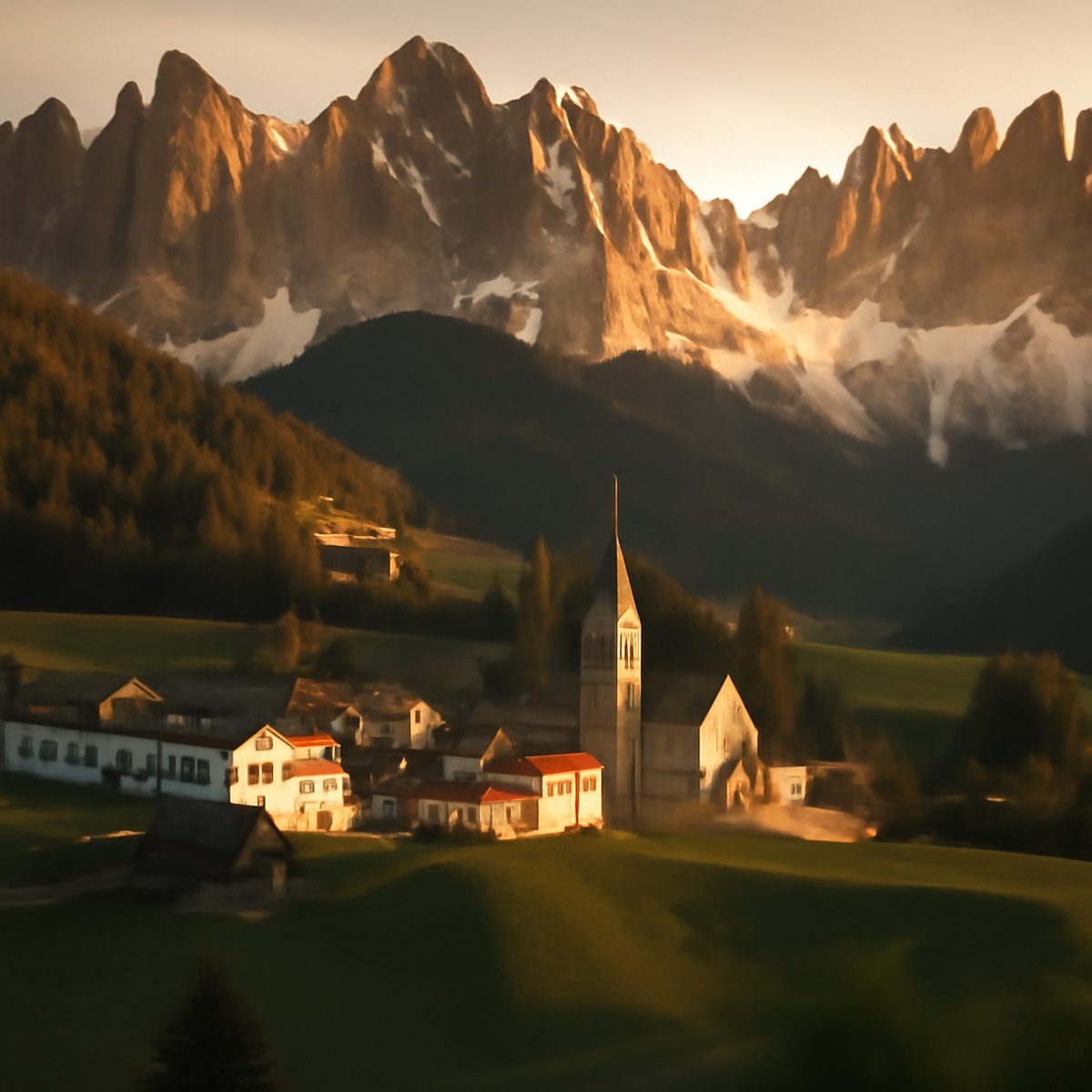
The Dolomites are famous for the wrong reasons. In winter they are a byword for skiing, in summer for the via ferrata routes that draw climbers by the thousand, and the postcard peaks appear on screensavers the world over. But between the resorts and the cable cars lies a quieter country: hamlets of timber and stone tucked into high pastures, family-run inns where dinner is whatever the kitchen felt like cooking, and valleys where the loudest sound is cowbells. To travel the Dolomites slowly, on foot and without an itinerary, is to find the mountains the crowds drive past. The famous peaks will still be there when you want them, but the real reward lies in the valleys below, where ordinary life carries on beneath the extraordinary rock.
A landscape unlike any other range
What makes these mountains so strange and beautiful is the rock itself. The pale dolomite limestone glows rose and gold at dawn and dusk, a phenomenon the locals call the enrosadira, turning the sheer walls the colour of embers for a few minutes before they fade to grey. The peaks rise almost vertically from green pastures, so the contrast between soft meadow and savage rock is more dramatic here than in any other part of the Alps. You do not need to climb to feel it; a walk along a valley floor puts those walls directly overhead.
This is a landscape that rewards patience, in the way the best mountain country always does. The unhurried approach that suits it is the same one set out in the case for the slow weekend away: fewer places, more deeply, with time left over to do nothing at all.
It helps to understand that the Dolomites are, culturally, a borderland, and that this is part of their particular charm. For centuries these valleys sat at the meeting point of the Italian, Germanic and Ladin worlds, and the result is a region that feels like none of them entirely. You will hear three languages in a single village, eat dumplings and speck alongside pasta, and see churches with onion domes standing below Italianate campaniles. The architecture reflects it too: the timber farmhouses with their carved balconies owe as much to the Alps to the north as to Italy to the south. This layering gives the villages a depth that a purely Italian or purely Austrian mountain town lacks, and it rewards the traveller who lingers long enough to notice how the food, the buildings and the language shift from one valley to the next.
The villages worth lingering in
The instinct is to base yourself in the big-name resort towns, but the quieter villages are where the region’s character survives. Look for the smaller hamlets in the side valleys, where the old Ladin culture, an ancient language and cuisine older than Italy itself, still shapes daily life. Here the day has a rhythm: a slow breakfast, a long walk to a mountain refuge for lunch, an afternoon on a sunlit terrace, dinner in the village. It is the same instinct that serves the traveller well in wine country, as our guide to the villages of the Beaujolais makes clear. The same slow rhythm of walking, eating and village life also defines a very different corner of Europe, explored in our guide to the villages of the Périgord.
Staying in one of these places rather than a purpose-built resort changes the whole texture of a trip. A timber-fronted family inn, the kind that appears on any honest list of mountain lodge retreats, gives you dinner cooked by the owners and breakfast with a view of the peaks, and it puts you within walking distance of the trails before the day-trippers arrive.
The Dolomites do not need to be conquered. They need to be walked into, slowly, until the pale walls stop being scenery and start being where you are.
Walking, not climbing
You do not have to be a mountaineer to travel here well. Some of the finest days are spent on gentle high-pasture paths that link one mountain refuge to the next, where a hut lunch of barley soup and speck is the reward for a morning’s easy walking. The network of refuges means you can walk from village to village, or hut to hut, carrying almost nothing and eating extremely well along the way.
A few kinds of day stand out:
- The pasture walk — a level path across high meadows to a refuge for lunch, with the peaks as a backdrop.
- The valley wander — a slow amble along a valley floor, ideal for an afternoon after a big lunch.
- The col crossing — a longer day over a high pass between two valleys, linking one village to the next.
- The doing-nothing day — a terrace, a book, and the changing light on the walls above.
Planning a trip around walking rather than ticking off summits is a gentler, more sustainable way to see the range, and it fits neatly into the broader habit of building a slow travel itinerary that leaves room for weather, appetite and mood.
When to go
The shoulder seasons are the secret. Late spring, once the snow has cleared from the lower trails, brings wildflowers to the pastures and empty paths. Early autumn brings golden larches, crisp air and the first dusting of snow on the high peaks while the valleys stay warm. Both avoid the twin crushes of the ski season and the August walking crowds, and both show the mountains at their most photogenic. If you can only go in high summer, go midweek and stay high, where the day-trippers rarely reach. Travellers who enjoy this kind of unhurried village life will find a sunnier, flatter version in the villages of the Alentejo.
For anyone based in Singapore, the Dolomites also make a natural pairing with the winter retreats in the mountains that draw travellers in the cold months, offering the same peaks in an entirely different mood. But the quiet season, green and gold rather than white, is where the villages come into their own.
The reward of going slowly
The Dolomites give the most to those who ask the least of them. Spend a week walking between villages, eating long lunches at high refuges, and watching the walls turn to fire at dusk, and the range reveals a gentleness that the ski brochures never show. It is mountain travel at its most human, and it belongs squarely in the travel and stays pages’ quiet argument that the best journeys are the unhurried ones.
Marcus writes on travel and hospitality across Asia, and is happiest a long way from a lobby.