A Guide to the Villages of the Alentejo
Whitewashed hill villages scattered across a vast golden plain — the Alentejo is Portugal at its most unhurried. Here is a guide to its towns and their rhythm.
 By Marcus Lim
2 September 2026 · 6 min read
By Marcus Lim
2 September 2026 · 6 min read
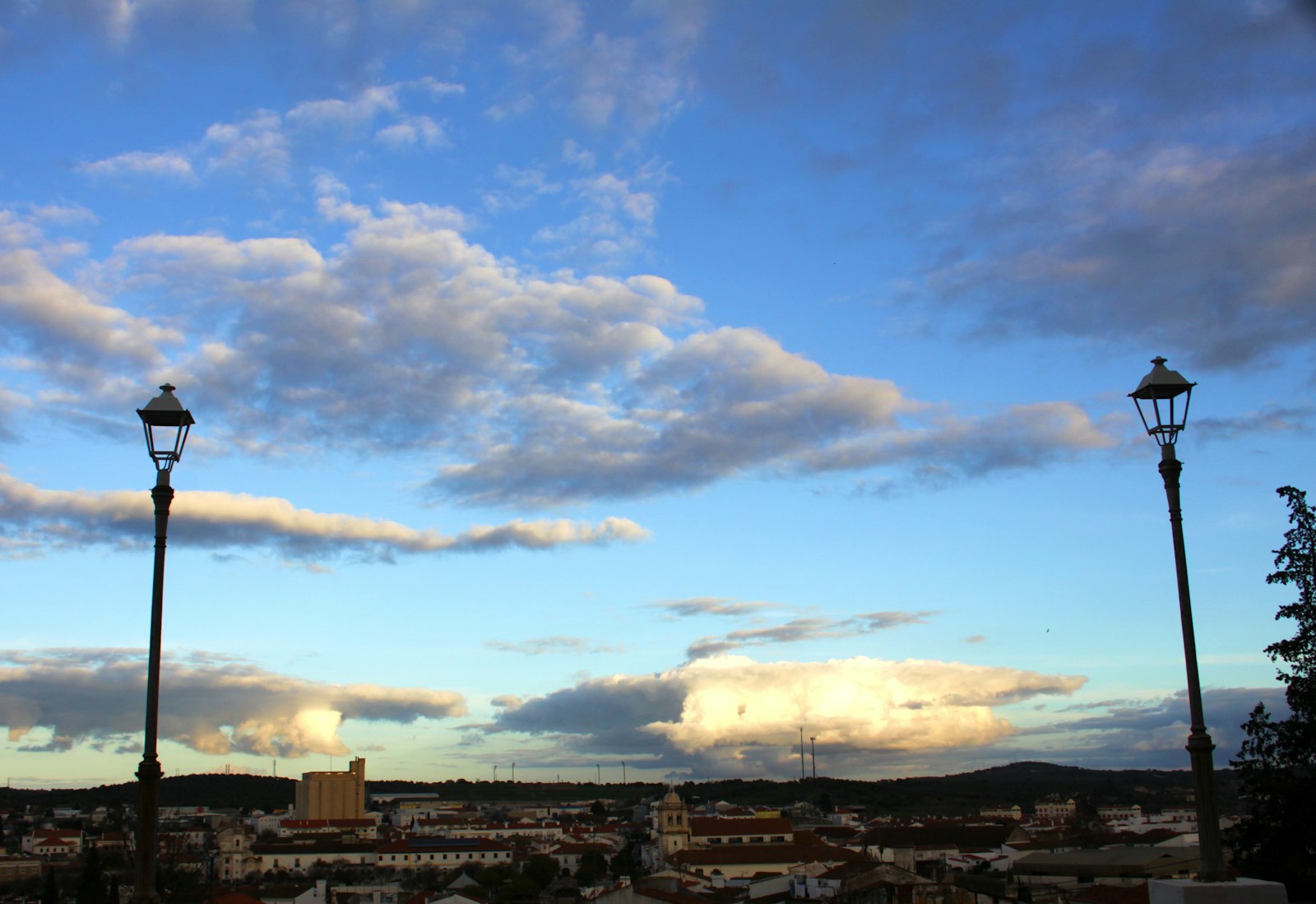
Drive inland from Portugal’s coast and the country empties out. The crowds thin, the hills flatten into a vast rolling plain, and the land turns gold — wheat, cork oak, olive, all shimmering under a big southern sky. This is the Alentejo, the great agricultural heart of Portugal, and it is the country at its slowest, warmest and most soulful. Scattered across the plain, usually crowning the few low hills, are its villages: tight clusters of whitewashed houses, a church, a castle, a single café where the whole rhythm of the day seems to pool.
The Alentejo is not a place of headline sights. It is a place of atmosphere, of long lunches and longer afternoons, of villages that have changed their pace not at all in a century. For the unhurried traveller, that is the entire appeal.
The whitewashed hill towns
The archetypal Alentejo village is a vision in white. The houses are lime-washed against the fierce summer heat, trimmed at the base and around the windows in ochre or blue, and packed tightly along cobbled lanes that climb to a hilltop church or the ruins of a castle. From the top, the view is always the same and always astonishing: the plain rolling away to the horizon, dotted with cork oaks and the odd distant, white village catching the light.
Wandering these towns is the whole activity. There is little to tick off, few museums to queue for — just lanes to lose yourself in, a castle wall to walk, a shaded square to sit in as the day cools. It is a slower, sun-baked cousin of the village-wandering we love elsewhere, closer in spirit to the villages of Provence’s Vaucluse than to anywhere on Portugal’s busier coast.
The rhythm of the plain
Life in the Alentejo runs on the sun. The morning is for doing; the fierce afternoon is for resting, when shutters close and the streets empty; the evening is for living, when the villages come quietly back to life and the cafés fill. To travel here well is to surrender to that rhythm rather than fight it — to shop and walk in the cool hours, rest through the heat, and save the evening for a long, unhurried dinner.
Travelling the Alentejo slowly
- Base yourself in one village or a rural estate and radiate out, rather than dashing between towns.
- Adopt the local rhythm: active mornings, a proper rest through the afternoon heat, and long evenings.
- Leave the main roads for the small ones, where the plain, the cork oaks and the villages reveal themselves.
Cork, wine and the honest table
This is one of the world’s great cork landscapes, the oaks stripped of their bark in slow rotation and left to regrow, and it is also a serious wine region producing generous, sun-filled reds. The food follows the land: bread-based soups, pork raised on acorns, sheep’s cheeses, game, and dark honey. It is hearty, rustic cooking, unpretentious and deeply satisfying, and it pairs with the region’s robust reds as if the two had grown up together, which of course they have.
The wine culture here rewards a little study, in the same way the great river valleys to the north do. Anyone who enjoys the Alentejo’s reds will find a natural companion in the villages of the Douro, Portugal’s other great wine landscape, and in the broader case for why the Douro rewards the slow traveller.
The Alentejo does not hurry, and it quietly insists you don’t either. Its greatest gift is a slower clock, borrowed for a week and hard to give back.
Where to stay
The right base sets the tone. A converted farmstead out on the plain, a small guesthouse in a hilltop village, a rural estate among the cork oaks — the best stays here are simple, cool and quiet, built to shelter you from the heat and open you to the landscape. Grand luxury is beside the point. What you want is white walls, thick shade, a pool or a shaded terrace, and silence broken only by cicadas and the odd distant dog.
The slow argument
For a traveller from a fast, dense, tropical city like Singapore, the Alentejo offers a very particular kind of rest — dry heat, huge skies, empty roads, and a pace of life engineered entirely around the sun. It is the antithesis of the itinerary-driven trip, and it works best when you abandon the idea of an itinerary altogether. Pick a village, settle in, and let the plain teach you its slower clock.
That is the Alentejo’s quiet argument, and it is the same one that runs through all the unhurried destinations we champion across our writing on slow travel and considered stays. It is not a region to be seen so much as one to be lived in, briefly, at the pace of the plain. Go for a week, do very little, and come home slower.
The luxury of emptiness
What the Alentejo offers, more than any single sight, is space — the increasingly rare luxury of a landscape with almost no one in it. The plain rolls on for miles between villages, the roads run empty, and the towns themselves are quiet enough that you quickly come to recognise faces. In a Europe whose famous places grow more crowded every year, this emptiness is itself the attraction, and it is worth travelling inland and enduring the heat to find it.
Emptiness changes how a place feels. Without crowds to navigate or queues to join, you fall naturally into the region’s slow rhythm, and the ordinary business of a day — a walk, a meal, a rest, a conversation with whoever is behind the café counter — expands to fill the time properly. This is travel stripped back to its essentials, and it is far more restful than the busy, sight-driven kind.
For a traveller from one of the world’s densest cities, the appeal of all that space is hard to overstate. To stand on a hilltop in the Alentejo and see nothing in any direction but plain, sky and the odd distant white village is to feel something a crowded life rarely allows: a genuine, uncluttered sense of room to breathe. That, in the end, is what the region is really for.
Marcus writes on travel and hospitality across Asia, and is happiest a long way from a lobby.