The Art of the Slow Weekend Away
The best weekends away increasingly have less in them, not more. Here is how to plan for genuine rest rather than a packed, exhausting itinerary.
 By Marcus Lim
30 August 2026 · 6 min read
By Marcus Lim
30 August 2026 · 6 min read
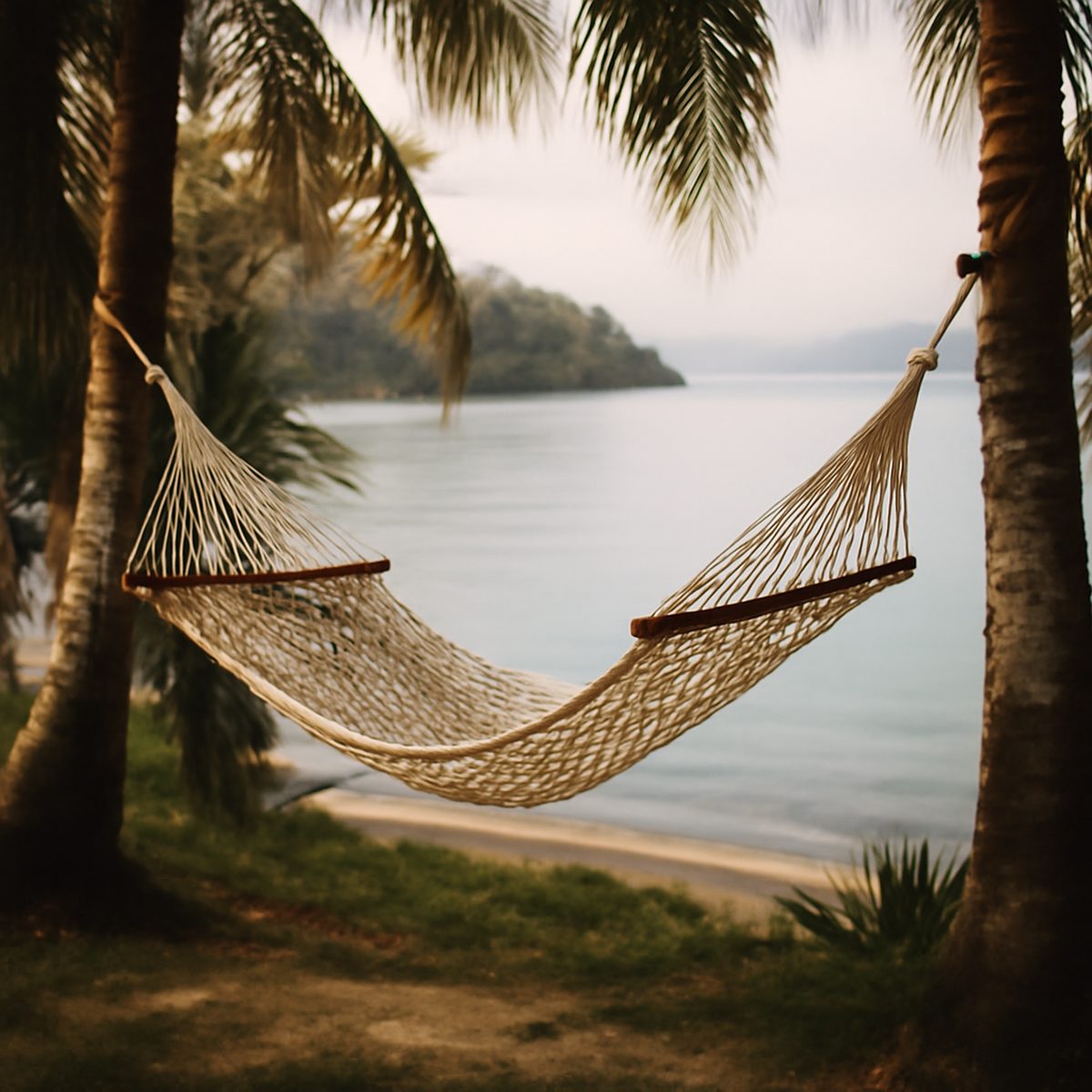
There is a particular kind of exhaustion that comes from a weekend away spent doing too much — the packed itinerary, the reservation at every meal, the alarm set for sunrise three days running. It looks like a holiday from the outside. It rarely feels like one. The slow weekend away is a quiet correction to this instinct: fewer bookings, longer meals, and a deliberate decision to leave large parts of the itinerary blank on purpose.
The difference between rest and recovery
Most weekends away are not, strictly speaking, restful at all. They are recovery — a necessary but frantic attempt to squeeze relaxation into a schedule already crowded with reservations and travel logistics. Genuine rest requires the removal of decisions, not simply their compression, which is why a slow weekend so often feels different in kind, rather than merely degree, from an ordinary trip. The body notices the difference within a day, even if the mind takes longer to catch up.
Why less planning produces more rest
A packed schedule optimises for coverage — seeing as much as possible in the time available. A slow weekend optimises for something else entirely: the sense of having genuinely stopped. This usually means picking one, at most two, real activities for an entire weekend, and leaving the rest of the time open to whatever the mood suggests, whether that is a long lunch that runs into the afternoon or simply a chair with a view and nowhere particular to be.
Where the format works best
Not every destination suits this approach equally well. The best settings for a slow weekend tend to share a few qualities: a single strong point of interest rather than a checklist of sights, a property worth staying in for its own sake, and enough natural beauty or quiet that doing nothing does not feel like a wasted opportunity. Consider:
- A countryside property with a view worth sitting still for, rather than a city hotel built for efficient sightseeing
- A destination reachable within two or three hours, so travel time does not eat into the rest itself — the same logic behind the case for the two-night city escape
- A retreat with genuinely limited connectivity, which does more to enforce a slower pace than any amount of willpower
What to actually pack
A slow weekend calls for a different kit than a sightseeing trip — a proper book rather than three half-finished ones, clothes that do not need to perform for a camera, and deliberately no detailed itinerary printed out in advance. The point is to arrive with intention but without a schedule, which is a harder discipline than it sounds for anyone used to optimising a trip down to the hour.
“The best weekend I’ve had in years had nothing booked past the first night,” a regular Black Cow contributor told us. “I kept waiting to feel like I was wasting the trip. I never did.”
The role of silence and retreat
For travellers wanting to take the idea further, a proper silent retreat pushes the concept to its logical end — no itinerary at all, structured instead around stillness and a handful of shared meals. It is not for everyone, but for anyone curious, where to go for a silent retreat is a useful starting point, alongside the broader thinking behind how to plan a slow-travel itinerary for longer trips built on the same principle.
What to leave at home
The instinct to bring work along “just in case” undoes most of the benefit before the weekend has even started. A slow weekend works best when the laptop stays behind entirely, notifications are switched off rather than merely muted, and the return journey is planned with enough slack that the last afternoon does not turn into a rushed dash for a flight. These are small logistical choices, but they tend to matter more to the overall feeling of rest than the destination itself.
A different kind of luxury
There is a version of luxury travel built entirely around abundance — more amenities, more activities, more things to tick off. The slow weekend proposes the opposite: that the real luxury, increasingly scarce for most people, is unstructured time. A property with a single excellent view and nothing scheduled can outperform a resort with a dozen activities on offer, simply because it gives permission to stop rather than another list of things to do. This is a shift many considered travellers have already made without quite naming it — and once it has a name, it becomes much easier to plan for deliberately rather than by accident.
Making it stick once you are home
The real test of a slow weekend is not the weekend itself but the Monday after it. A trip built around genuine rest tends to leave travellers arriving home calmer rather than needing a second holiday to recover from the first — a distinction worth paying attention to when planning the next one. It is a small, deliberate act of resistance against the idea that a good trip must be a busy one, and increasingly, it is the kind of travel that discerning guests are asking their planners for by name.
Who should try it first
Anyone whose ordinary weekends already run at full speed — back-to-back errands, a calendar with no white space, a phone that never quite goes quiet — is the ideal candidate for this kind of trip. It is less a holiday format for people who already rest well and more a deliberate corrective for those who have forgotten how, which is a larger share of any given city’s population than most would admit, Singapore included, where the pace of daily life rarely leaves room for genuine stillness.
The case for doing less
A slow weekend away asks for a different kind of confidence — the willingness to leave a day unplanned and trust that it will fill itself. For readers used to optimising every hour of a trip, it can take a weekend or two to unlearn the habit. Once it clicks, though, it tends to become the preferred way to travel rather than the exception, and the itinerary starts to feel less like a checklist and more like an invitation. Browse more considered escapes in our Travel & Stays section.
Marcus writes on travel and hospitality across Asia, and is happiest a long way from a lobby.