A Guide to the Villages of the Périgord
Golden stone, slow rivers and a table worth crossing a country for: a guide to the villages of the Périgord, the deep, unhurried heart of south-west France.
 By Marcus Lim
2 September 2026 · 6 min read
By Marcus Lim
2 September 2026 · 6 min read
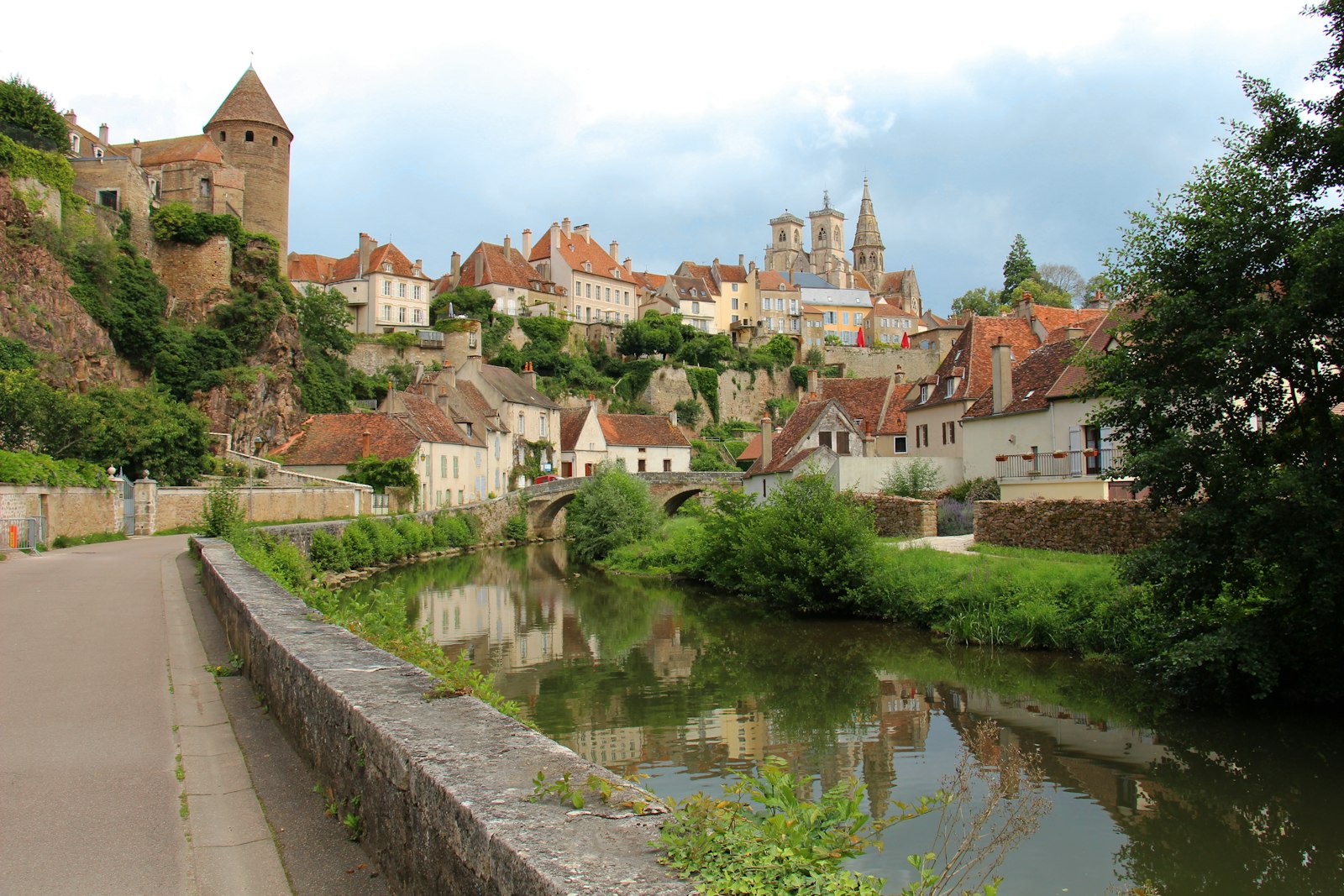
Deep in the south-west of France, where slow rivers wind between wooded limestone hills, lies a region that seems to have been designed expressly for the unhurried traveller. The Périgord — much of it overlapping with the valley of the Dordogne — is a country of honey-coloured villages, medieval market towns, riverside hamlets and some of the finest food in France, and it rewards the visitor who comes not to race between sights but to settle into its deep, ancient calm.
This is old country, layered with human history as thickly as anywhere in Europe. The valleys hold prehistoric painted caves of astonishing antiquity; the hilltops are crowned with fortified towns from the long medieval wars; the villages below cluster around Romanesque churches and covered market halls that have served the same purpose for centuries. And through it all runs an unhurried rhythm of markets and meals and slow afternoons that is the essence of the region’s appeal.
The golden-stone villages
The defining pleasure of the Périgord is its villages, and they are among the loveliest in France. Built from the local limestone that glows golden in the afternoon sun, roofed in warm terracotta or grey stone tiles, they rise from the riverbanks and cling to the cliffs in a way that seems entirely of a piece with the landscape. Several are officially counted among the most beautiful villages in the country, and it is no exaggeration; to round a bend and see one of them lift above the river, all honeyed stone and turrets, is a genuine catch of the breath.
Wander them slowly. The joy is not in ticking off monuments but in the drift through narrow lanes, past artisans’ workshops and shuttered stone houses, out to a viewpoint over the valley. Each village has its own character — one a former stronghold, another a potters’ town, a third a huddle of fishermen’s houses by the water — and half the pleasure is in the differences. This unhurried village-hopping belongs to the same tradition as exploring the villages of the Luberon in Provence, though the Périgord is greener, wetter and more secret.
The bastides and their squares
Scattered across the region are the bastides, the planned fortified towns laid out on a grid during the medieval centuries of conflict, each built around a central arcaded square. These squares are the region’s great social spaces, ringed by stone arcades that shelter the market stalls on trading days and the café tables the rest of the week. To sit under an arcade on a bastide square on a market morning, with the stalls in full cry and the whole town out shopping and gossiping, is to see rural French life at its most vital and unchanged.
The bastides reward the traveller interested in how landscapes were made and lived in, their rigid geometry a fascinating contrast to the organic tangle of the older villages. That sense of a countryside shaped by centuries of human intention links the Périgord to the layered village landscapes of Provence, such as the hill villages of the Vaucluse, and to the wilder settlements of the southern uplands like the villages of the Cévennes.
The Périgord does not perform for its visitors. It simply goes on living as it always has, and invites you, if you will slow down, to live alongside it for a while.
The table, which is legendary
No account of the Périgord can ignore its food, for this is one of the great gastronomic regions of France. It is famous country for walnuts and mushrooms, for rich preserved meats, for the prized truffle that the region’s oak woods produce, and for a robust, generous style of cooking that reflects the land’s abundance. The markets overflow with local produce; the modest restaurants serve regional dishes with unpretentious excellence; and the whole culture treats a good meal as one of the central pleasures of life.
Eat as the locals do — slowly, seasonally, at the small family-run places rather than the tourist traps. Visit the markets, buy walnuts and cheese and a bottle of the local wine, and picnic by the river. The Périgord teaches, more gently than almost anywhere, that the table is not a distraction from travel but one of its deepest rewards, a lesson that runs through the finest slow journeys and is worth carrying home. Base yourself well, in an old stone house or a small country hotel, in the tradition of a considered garden or estate stay, and let the region set your pace.
How to travel it
It rewards the traveller to pick a base with care. A stone house in a quiet village, within reach of a good market town and a stretch of the river, gives you everything the region does best without the need to keep moving on. From such a base you can walk to a bakery each morning, drive to a different village each afternoon, and be back for an evening meal under the stars, and after a few days the rhythm of the place becomes your own. That settling-in, more than any single sight, is what people remember of the Périgord long after they leave. Give the region a week if you can, and it will reward every extra day with another village, another market, another slow lunch by the water.
Come with a car and no fixed plan. Base yourself in one valley for several days rather than dashing between towns, and radiate out to villages, markets and caves at an easy pace. Late spring and early autumn are ideal — the light golden, the crowds thin, the markets full. Rise for the morning market, lunch long by the river, drift through a village in the softening afternoon, and let the evening find you at a table under the stars. The Périgord asks only that you slow down to meet it, and for the traveller who does, it gives back one of the richest and most restful experiences France has to offer. For more of France explored in this unhurried way, the Travel and Stays desk is where to look next.
Marcus writes on travel and hospitality across Asia, and is happiest a long way from a lobby.