
The Best Olive Grove and Orchard Stays
The best grove and orchard stays put guests inside a working harvest, from Mediterranean olive presses to blossom-season orchards further east.
 By Marcus Lim
30 August 2026 · 6 min read
By Marcus Lim
30 August 2026 · 6 min read
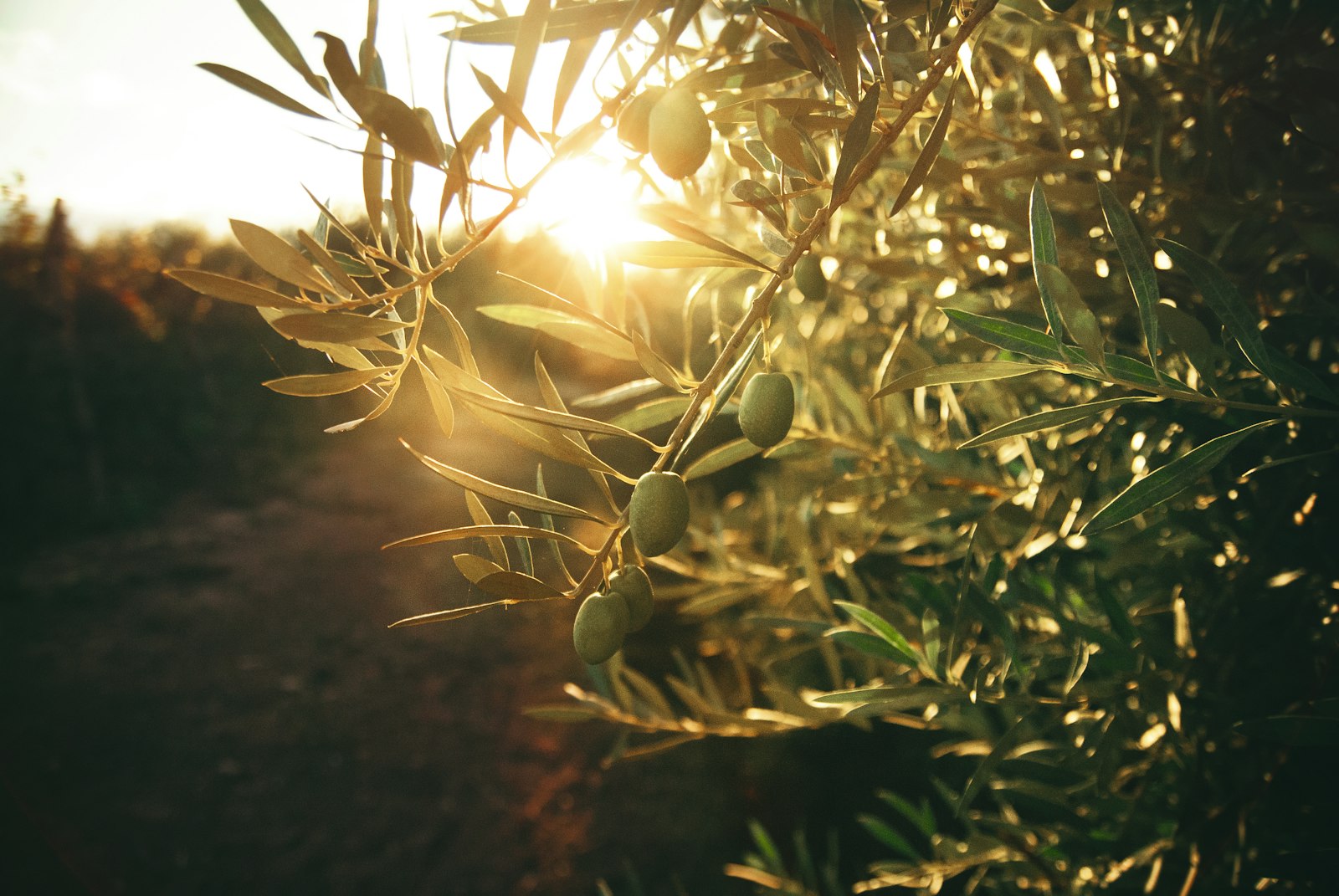
There is a particular kind of quiet that settles over an olive grove in autumn, when the trees are heavy with fruit and the air carries that faint, green, peppery smell of crushed leaves underfoot. It is a quiet that a small but growing number of considered properties across the Mediterranean and further into Asia’s own fruit-growing regions have built their entire proposition around — stays where the landscape is not scenery glimpsed from a pool deck but the actual working land the hotel sits inside, complete with its own harvest calendar and its own particular urgency each autumn.
Living Alongside a Working Harvest
The best orchard and olive-grove stays share a common instinct: they do not pretend the agriculture is theatre. Guests who arrive during harvest season are as likely to find themselves handed a net and a rake as a cocktail menu, invited to join the picking for an hour before lunch simply because it is happening anyway and there is no reason not to be included. A composite example worth describing: a stone farmhouse-turned-guesthouse set among several hundred centuries-old olive trees, where the on-site press runs through the night during peak harvest and guests wake to the low hum of machinery and the smell of fresh oil rather than housekeeping trolleys. It is, in its way, one of the more honest forms of hospitality still operating, and one that resists the polish of a typical resort brochure almost entirely. For travellers whose interest lies chiefly in the press itself, our case for the olive mill stay takes a closer look at sleeping beside the machinery.
What Makes a Grove Stay Worth Choosing
A handful of details separate a considered grove stay from one simply photographed among trees for the brochure:
- An on-site or nearby press, so the oil served at breakfast has a traceable origin rather than an anonymous supermarket provenance
- Guided tastings that explain terroir and pressing method with the same seriousness a good sommelier brings to wine
- Rooms positioned to look out over the working grove rather than away from it, service roads and all
- A kitchen that treats the oil as an ingredient worth building a menu around, not a garnish
Readers who want to understand what they are tasting before they arrive might start with our primer on olive oil, or the more practical guide to choosing an everyday bottle — both useful groundwork for a stay built around the stuff.
Beyond Olives: Orchards Further East
The same instinct is emerging in Asia’s own orchard country, where stone-fruit and citrus growers in the cooler highland regions of southern China, northern Thailand and parts of Japan have begun opening small guesthouses among their trees. The rhythm is different — spring blossom rather than autumn harvest is often the headline draw — but the underlying appeal is identical: a landscape doing real agricultural work that guests are invited to witness rather than simply admire from a distance. A hillside orchard stay timed to blossom season, with rooms scattered among the trees and breakfast served under low branches heavy with flower, has become one of the more quietly sought-after bookings among travellers who have exhausted the obvious cherry-blossom cities.
“People come expecting a picture postcard,” one Mediterranean grove owner told us of the harvest season, “and leave having actually worked for their dinner. Most of them ask when they can come back and do it again.”
Sustainability as a Practical Matter, Not a Marketing Line
Working groves have a natural advantage when it comes to sustainability credentials that many resorts spend considerable marketing budget trying to fake: the land was already productive before the hospitality arrived, and hosting guests is typically the secondary business rather than the primary one. Water use tends to be managed around irrigation needs that predate any guest programme, and the trees themselves, some of them centuries old, represent a form of long-term land stewardship that a newly built resort simply cannot replicate regardless of how many solar panels it installs. This is not to say every grove stay gets it right, but the better ones wear their sustainability lightly, treating it as an inherited responsibility rather than a headline amenity.
Pairing the Land With the Villa
Many of the best examples in this category sit within the broader tradition of the villa holiday — private, self-contained, built around a kitchen guests are actively encouraged to use rather than a hotel restaurant they are billed for. For those drawn to elevation as well as agriculture, several of the finest grove properties share a hillside setting with the region’s clifftop villa retreats, trading sea views for rows of silvery leaves running to the horizon instead. Many hold both aspects at once, a working grove tumbling down toward a coastline just visible through the branches.
A Day in the Life of a Working Grove
The daily rhythm at a good grove stay tends to follow the trees rather than a fixed activity schedule. Mornings during harvest start early, before the day’s heat sets in, with pickers moving methodically through the rows using hand rakes or, on steeper terraces where machinery cannot reach, little more than their fingers and a net spread beneath the branches. By mid-morning the first fruit of the day arrives at the press, and guests who timed their visit well can watch, and taste, oil that was still on the tree an hour earlier — genuinely green, sharply peppery, quite unlike anything sold in a bottle after months of transit and storage. Afternoons slow considerably, given over to long lunches built almost entirely around the grove’s own produce, and evenings often end with a tasting that walks guests through the differences between early and late harvest, single-varietal and blended oils, in the same unhurried, instructive register a good wine estate would use for its own vintages.
When to Go
Timing matters more here than at almost any other kind of stay. Autumn harvest, typically running from late September through November in the Mediterranean, is the obvious high point, but a grove in late spring — trees in blossom, the ground carpeted rather than dusty — has its own considerable appeal for travellers who prefer a quieter, greener version of the same landscape. Summer, by contrast, is usually the least interesting season to visit, since the grove itself is dormant and the pressing operation entirely idle, however pleasant the weather might otherwise be. Either way, a grove stay rewards travellers willing to plan around agriculture rather than around a beach season, and offers something increasingly rare: a luxury stay with actual soil under its fingernails, a working calendar unbothered by tourism, and a bottle to take home that tastes unmistakably of the specific hillside it came from. Further seasonal ideas along these lines can be found throughout our Travel & Stays section.
Marcus writes on travel and hospitality across Asia, and is happiest a long way from a lobby.


