The Best Clifftop Villa Retreats
The best clifftop villas in Asia earn their position rather than merely occupying it. A considered guide to what separates a good view from a great retreat.
 By Marcus Lim
30 August 2026 · 6 min read
By Marcus Lim
30 August 2026 · 6 min read
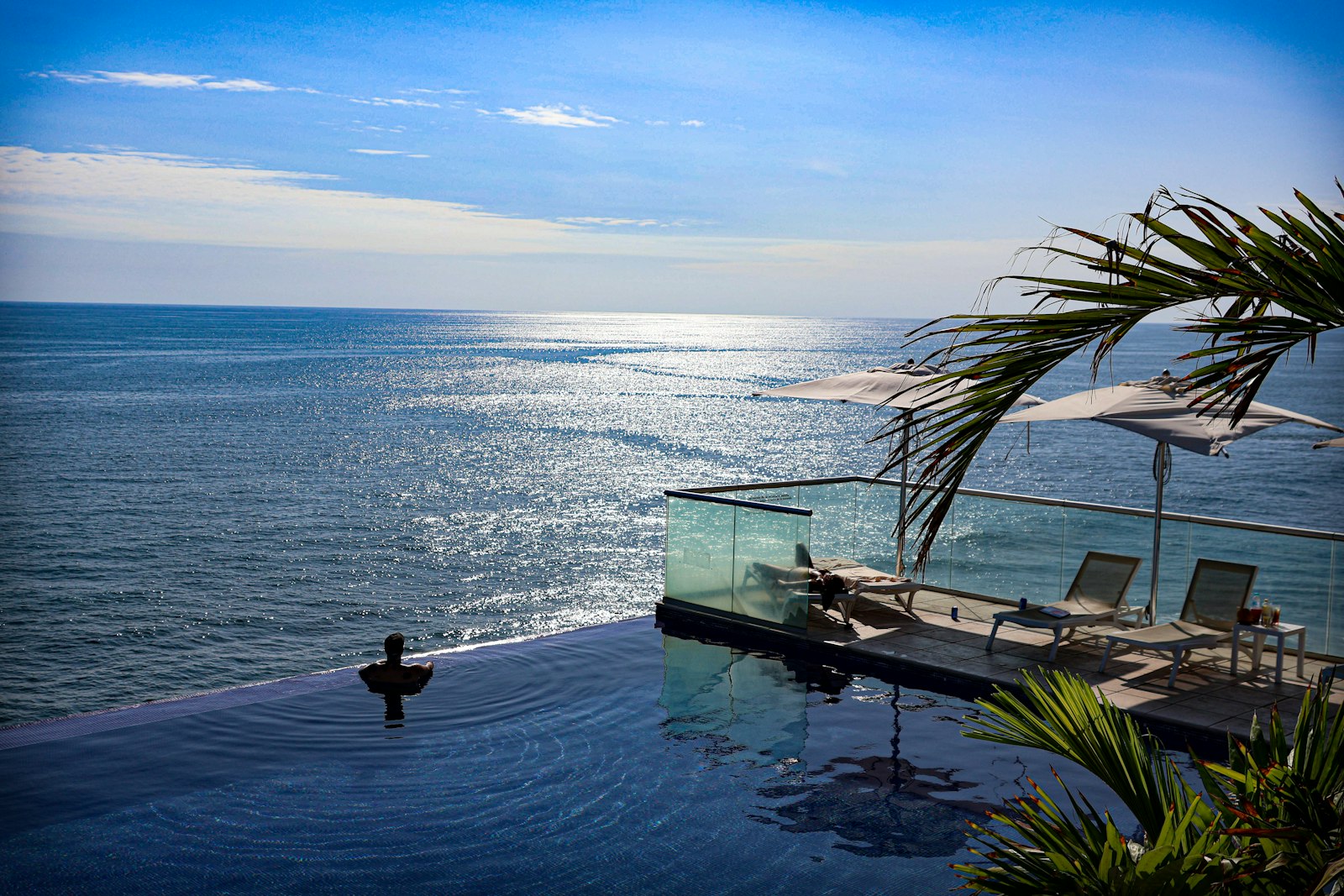
A clifftop position is, on its own, a fairly low bar for a villa to clear — build high enough above a coastline and almost any view becomes genuinely dramatic, which is precisely why so many properties trade on the address alone. What separates a genuinely great clifftop retreat from one simply coasting on its address is what happens once the initial view has been absorbed: the quality of the architecture, the privacy afforded from neighbouring properties, and whether the design actually works with the site’s dramatic topography rather than merely sitting on top of it.
What makes a clifftop villa actually work
The best examples treat the cliff edge as the organising principle of the entire design, rather than a feature reserved for a single viewing deck. Villas built along a bamboo pavilion aesthetic on a Bali hillside, for instance, often orient every major room toward the drop — the bedroom, the living pavilion, even the outdoor bathing area — so that the view becomes a constant presence rather than something visited once and then left behind. This requires genuine architectural discipline, since it is considerably easier to design a conventional villa and simply add a viewing terrace than to build an entire structure around a single, dramatic sightline.
Privacy is the other major differentiator, and one easy to overlook when booking from photographs alone. A villa perched dramatically above the water but positioned close to neighbouring properties, or overlooked from a public walking path above, loses much of the seclusion the clifftop premium is meant to be paying for. The genuinely good retreats are sited with real thought given to sightlines from adjacent properties, often terraced into the hillside at staggered heights specifically to preserve each villa’s sense of isolation.
Access is a related, and often underconsidered, factor. A dramatic clifftop position frequently means a steep, sometimes lengthy approach — a long staircase, a private funicular, or a winding path down to a private beach far below the main villa. This can be a genuine highlight of the stay, adding a sense of arrival and remove that a flat, easily accessible property cannot replicate, but it is worth confirming in advance for guests with mobility concerns or young children, since marketing photography rarely emphasises the climb involved in reaching the view it is selling. A demanding approach also makes eating in more appealing, which is where private chefs and villa dining come into their own.
The infinity pool question
What separates a considered pool design from a gimmick
- A pool edge that genuinely aligns with the horizon line from the primary lounging position, not just from a single photo angle.
- Material and colour choices that do not compete visually with the ocean view beyond — a pale, understated tile rather than anything too saturated.
- Shade considerations built into the design, since a clifftop position often means considerably more direct sun exposure than a garden-level pool.
- Enough distance from neighbouring villas that the infinity effect is not undermined by an obviously visible property next door.
The infinity pool has become such a standard feature of clifftop retreats that its absence is now more notable than its presence, but the execution varies enormously. A pool built purely for the photograph, with an awkward relationship to the rest of the villa’s layout, is a common enough failure mode to be worth checking carefully before booking, ideally through recent guest photographs rather than the property’s own marketing images alone.
Wind is a practical consideration worth raising directly with a property before booking, since a dramatic elevation above the coastline often comes with correspondingly stronger wind exposure than a beachfront villa at sea level. The best-designed clifftop properties account for this in the architecture itself, using strategically placed walls, dense planting or recessed terraces to create sheltered outdoor spaces, while lesser designs simply leave guests to contend with a constant, sometimes uncomfortable breeze across an otherwise beautiful terrace.
Where this category is strongest right now
Composite examples across the region illustrate the range well — a cliffside retreat carved into volcanic rock along Bali’s southern coast, a series of pavilion villas stepped down a forested hillside in Phuket, or a more minimalist concrete-and-glass property along a dramatic stretch of coastline further afield. Each interprets the clifftop brief differently, and comparing them side by side is a genuinely useful exercise before booking, since the same phrase on a listing page can describe architectural approaches as different as a rock-hewn cave suite and a glass-walled modernist box. It is worth reading this guide alongside Black Cow’s coverage of the best cliffside and clifftop hotels, which covers the hotel format specifically, and the art of the villa holiday for a broader look at what makes a private villa stay work regardless of setting.
“The view sells the booking,” one villa architect told us. “But it’s the layout that determines whether guests actually want to come back.”
Booking one well
Beyond the view itself, it is worth asking pointed questions before booking — how close the nearest neighbouring villa sits, whether the pool area is genuinely private or overlooked from a shared path, and how the property handles the practical realities of a clifftop position, from wind exposure to the logistics of getting luggage up a dramatic incline. Those drawn to the format but open to alternatives might also enjoy Black Cow’s guide to the best overwater villas worth it, a related but distinct category built around water rather than height.
Visit Black Cow’s Travel & Stays section for the fuller picture of where the region’s most considered retreats are currently found. A genuinely great clifftop villa earns its premium through design discipline as much as its address — the view is simply the beginning of the argument, not the whole of it.
The best time of year to book also deserves consideration alongside the property itself, since a clifftop position amplifies seasonal weather in ways a more sheltered villa does not. A visit during a region’s dry, calmer season delivers the postcard experience the marketing photography promises, while the same villa during a windier or wetter stretch can feel considerably less idyllic, however striking the underlying architecture. Checking the specific seasonal patterns of a destination, rather than assuming any time of year will deliver the same experience, is a small piece of homework that meaningfully affects how the stay actually unfolds.
Marcus writes on travel and hospitality across Asia, and is happiest a long way from a lobby.