The Best Everyday Botany Wool Knits
Named for a Sydney wool exchange rather than a botanical garden, botany wool has quietly become a benchmark for fine everyday knitwear. Here is why.
 By Daniel Koh
31 August 2026 · 6 min read
By Daniel Koh
31 August 2026 · 6 min read

The name causes more confusion than it should. Botany wool has nothing to do with plants; it takes its name from Botany Bay, the Sydney wool exchange through which fine Australian merino was historically traded and graded. Over the past century the term has come to describe a specific quality tier of merino — fine, evenly crimped fibre spun into a smooth, durable yarn — that has become something of a quiet benchmark for everyday knitwear, valued by makers for a combination of softness and longevity that coarser wool grades struggle to match.
What makes the fibre distinct
Botany-grade wool sits at the finer end of the merino spectrum, with individual fibres typically measuring well under twenty microns in diameter — thin enough to sit comfortably against skin without the itch associated with coarser wool, yet strong enough, thanks to merino’s naturally tight crimp structure, to resist pilling and hold its shape through years of regular wear. This combination of fineness and resilience is precisely why the grade became a standard reference point for quality knitwear manufacturers well beyond Australia, adopted as a benchmark term across much of the European knitting trade during the twentieth century.
How to identify genuine quality
- A tight, even knit gauge with no visible gaps or irregular tension between stitches, a sign of both quality yarn and careful machine or hand knitting.
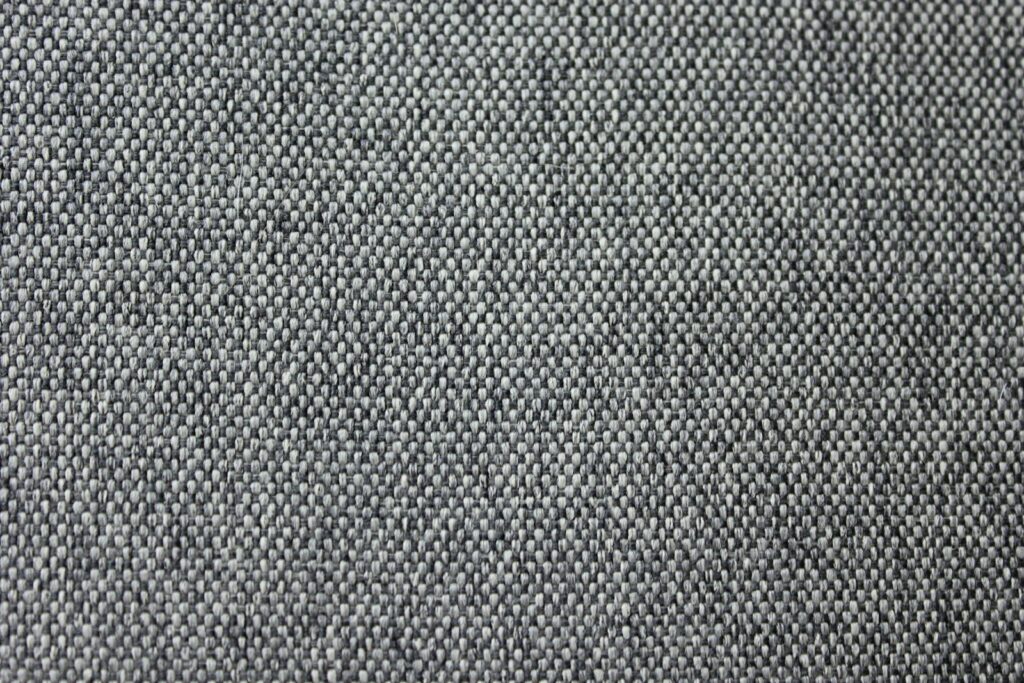
- A smooth, slightly lustrous surface rather than a fuzzy or matte finish, which typically indicates coarser fibre or excessive brushing to disguise a lower-grade wool.
- Genuine weight and drape when held up — fine merino knits should fall with a fluid, substantial hand rather than feeling thin or papery.
Why it suits everyday rotation specifically
Unlike more delicate luxury fibres such as cashmere, botany-grade merino is built for resilience as much as softness, making it particularly well suited to genuine daily wear rather than occasional, carefully rationed use. It regulates temperature naturally, remaining comfortable across a wider range of conditions than synthetic alternatives, and merino’s inherent odour-resistant properties mean it can be worn multiple times between washes without the staleness synthetic or blended knits often develop. For a climate like Singapore’s, where air-conditioned interiors regularly swing many degrees cooler than the tropical exterior, a lightweight botany wool crew or half-zip earns its keep as a genuinely practical everyday layer rather than a purely seasonal one. For the same fine wool taken into heavier outerwear, our piece on the quiet luxury of the Loro Piana overcoat considers the coat as an investment.
“People assume wool means hot,” one knitwear specialist told us. “Fine merino does the opposite — it’s often the most comfortable thing you can wear moving between an air-conditioned office and the street outside.”
Caring for a botany wool knit
Fine merino rewards gentle handling but is far more forgiving than its reputation suggests. Hand washing in cool water with a wool-specific detergent, followed by laying flat to dry rather than hanging, preserves shape and prevents the stretching that a hanger can cause over time. Between wears, airing a knit outdoors for an hour is often sufficient to refresh it entirely, thanks to wool’s natural self-cleaning properties, reducing the frequency of washing needed compared with cotton or synthetic knitwear.
Weight and gauge: reading a garment label properly
Beyond fibre fineness, the finished weight and gauge of a knit determine much of how a botany wool piece will actually perform in daily wear. A finer, higher-gauge knit — more stitches per inch — produces a lighter, smoother garment better suited to layering under a jacket or wearing alone in milder conditions, while a lower-gauge, chunkier knit trades some of that refinement for greater warmth and a more textured, casual appearance. Labels rarely specify gauge explicitly, so the most reliable method remains handling the garment directly: a fine-gauge botany wool knit should feel substantial but not bulky, with individual stitches barely visible to the naked eye from a normal viewing distance.
Ply count offers a further, related clue to a garment’s intended use. Two-ply yarns, spun from two twisted strands, typically produce the lightest, most refined knitwear, ideal for warmer climates or layering. Four-ply and heavier constructions add proportionally more warmth and durability at the cost of some refinement, better suited to standalone wear in genuinely cool conditions. None of this makes one ply count objectively superior to another; the right choice depends entirely on climate and intended use, which is precisely why a considered buyer should think through how and where a piece will actually be worn before purchasing rather than buying on appearance alone.
Colour choices that reward longevity
Botany wool takes dye exceptionally well thanks to its fine, even fibre structure, which means colour range is rarely a limiting factor when choosing a piece. For genuine everyday rotation, however, restrained tones — navy, charcoal, oatmeal, a muted forest green — tend to offer far greater long-term versatility than bolder seasonal colours, pairing easily across a wider range of trousers, shirts and outerwear without dating as quickly. This is less a matter of aesthetic conservatism than practical economics: a piece worn genuinely often earns back its cost far more quickly when it pairs easily with everything else already in a wardrobe, rather than requiring its own dedicated styling context each time it is worn.
Building a knitwear rotation around it
A well-chosen botany wool crew or half-zip works as a genuine wardrobe workhorse, layering easily under a jacket for cooler evenings or worn alone over a collared shirt for a smarter, more considered look than a plain cotton jumper typically achieves. Readers looking to expand beyond a single piece might compare it against Geelong lambswool, a related Australian grade prized for its particular softness, or Shetland wool knits, whose coarser, more textured character suits a rougher, more rustic aesthetic entirely. For something with more visible pattern and texture, Donegal tweed knits offer a flecked, heathered alternative worth considering for a more casual rotation.
For readers assembling a broader, more considered knitwear collection, our wider guide to the knitwear worth investing in is a useful companion to this piece, situating botany wool within the full range of fibre grades and weights available. All of this sits within the broader spread of considered menswear guidance found across Style & Watches, where the aim, as ever, is fewer, better pieces chosen with genuine understanding of what makes them work.
Daniel has spent fifteen years arguing that the best watch is the one you never take off.