The Quiet Luxury of the Loro Piana Overcoat
The best coat in the room rarely announces itself. On the quiet luxury of a fine wool overcoat, and why softness and restraint outlast any logo.
 By Daniel Koh
1 September 2026 · 6 min read
By Daniel Koh
1 September 2026 · 6 min read
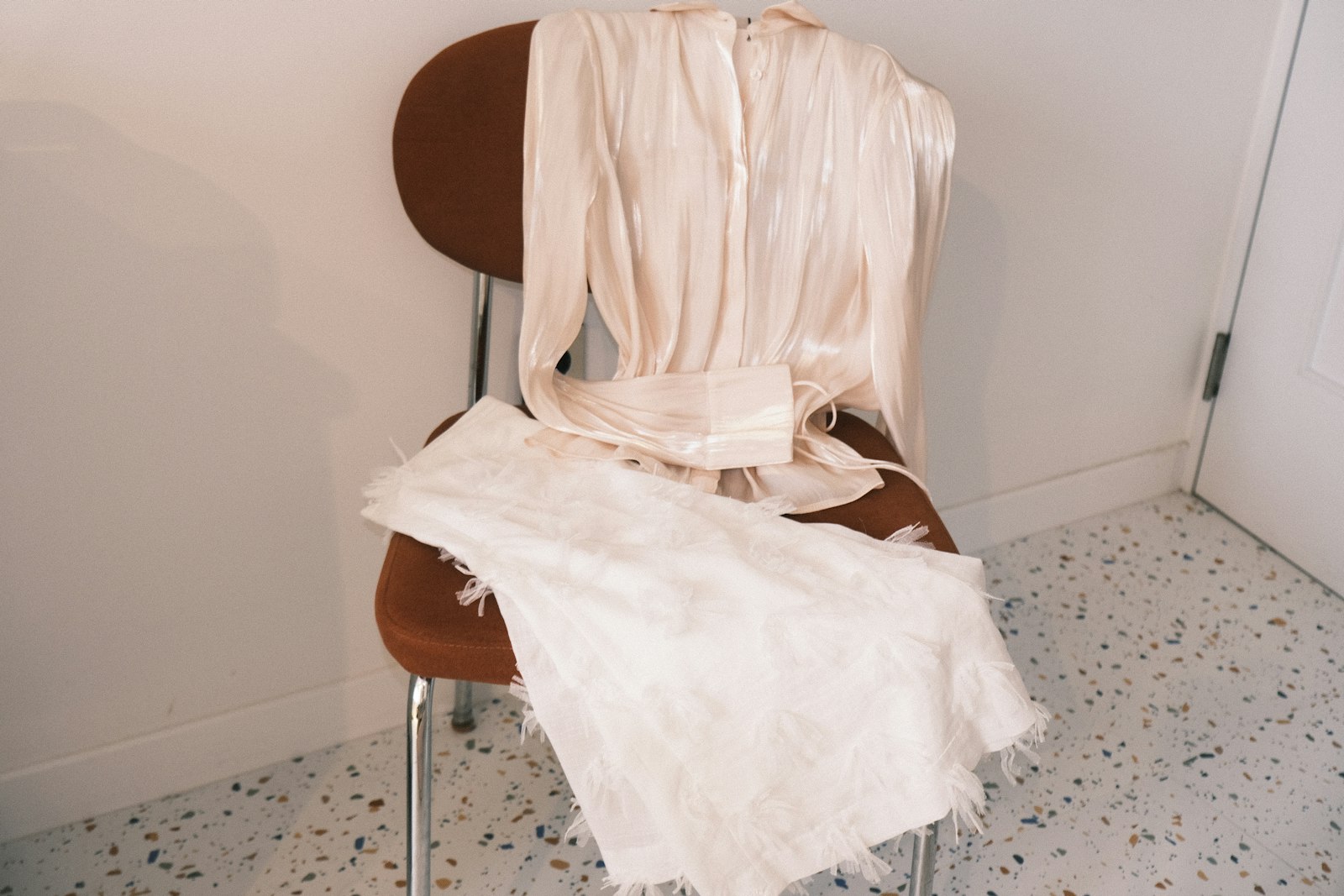
There is a moment, in a good tailor’s or a well-run shop, when someone hands you a coat and your hands do the thinking before your eyes do. The cloth is heavier than it looks and softer than it has any right to be, with a surface that seems to absorb light rather than reflect it. You put it on and it settles onto the shoulders like it has been waiting for you. This is the experience the phrase luxury overcoat ought to describe, and at its best, associated in many minds with the soft, refined cloths of a house like Loro Piana, it is one of the purest pleasures in dressing. It is also, tellingly, almost silent. There is no logo doing the talking. The cloth simply is.
What quiet luxury actually means
Quiet luxury has become a fashionable phrase, but the idea behind it is old and sound. It means value that lives in the making rather than the marketing, in the hand of the cloth rather than the label at the collar. A truly fine wool overcoat is its clearest expression. The quality is in things you feel more than see: the length and fineness of the fibre, the weight and drape of the finished cloth, the way a collar rolls and a lapel sits, the invisible canvas that gives the coat its shape. None of it shouts. All of it lasts.
This is the opposite of luxury as spectacle. A coat like this does not want to be the most noticeable thing in a room. It wants to be the thing that, if you happen to touch it or look closely, quietly tells you everything. That restraint is the whole point, and it is why the people who understand these coats tend to own one very good one rather than several loud ones. The same instinct draws them to a good cashmere scarf and away from anything that trades on a visible name.
The cloth is the coat
With an overcoat above all, the cloth is not a detail; it is the entire proposition. The finest wools, and the cashmere and camel blends that sit alongside them, are prized because long, fine fibres can be spun into a yarn that is both light and warm, then woven into a cloth that drapes with weight but never feels heavy. The result insulates without bulk, moves without stiffness, and holds a clean line down the front. A lesser wool can look similar on the hanger and betray itself within a season, going hard, pilling at the friction points, losing the soft roll at the collar.
The classic colours suit the cloth’s quiet character: camel, a deep charcoal, a soft navy, a stone grey. These are not accidents of taste but the shades that let good cloth show its depth. If you are drawn to this world, the camel hair coat and the finer baby camel coat are close cousins, made in the same spirit of warmth without weight, and worth handling side by side if you can.
The finest overcoat in the room is almost never the one you notice first. It is the one you notice last, and then cannot stop thinking about.
One coat, bought once, worn for years
The strongest argument for a coat of this quality is not the pleasure of owning it but the economy of it, properly understood. A fine wool overcoat is expensive, there is no pretending otherwise, but it is expensive once. Bought well, in a classic colour and an enduring cut, it does not date, does not wear out and does not need replacing, so its cost spreads across a decade or two of wear until it becomes, per outing, one of the cheapest things in the wardrobe. Compare that with the cycle of buying cheaper coats that sag, pill and lose their shape within a season or two, and the sums come out firmly in favour of the good one. For the Singapore wearer, whose coat lives mostly in a wardrobe between trips, this matters even more: a coat worn a handful of weeks a year should be one that survives decades of that gentle use, and only real cloth and honest making will. Buy the best single coat you can, look after it, and think of it not as an indulgence but as the last overcoat you will need to buy for a very long time.
Cut for the long run
Great cloth deserves a cut that will not date. A fine overcoat is not the place for a fashion silhouette; it is the place for a line that will look right in fifteen years. That usually means a length that falls to around the knee, shoulders that follow your own rather than exaggerating them, and enough room to layer a jacket underneath without straining. A single-breasted front is the quiet default; a double-breasted or a Chesterfield adds a touch more formality and structure for those who want it.
In Singapore, of course, the honest use for such a coat is travel: the long-haul flight, the northern winter, the cool of a European spring. That makes the case for buying one excellent coat rather than a wardrobe of them all the stronger. It goes in the bag, it works everywhere the temperature drops, and it never looks like it is trying.
Owning one well
A coat of this quality asks for a little care and repays it many times over. Hang it on a broad wooden hanger that supports the shoulders, let it rest and air between wears rather than crushing it in a wardrobe, and brush it down gently to lift the day’s dust before it settles into the nap. Send it to a specialist cleaner rarely and only when it truly needs it; over-cleaning is harder on fine wool than honest wear. Treated this way, a fine overcoat becomes one of the few garments that genuinely improves with age, softening and settling until it feels entirely your own. That is the quiet luxury the phrase was coined for, and it is worth the patience. For more in the same unhurried spirit, the wider world of style and watches is the place to wander next.
Daniel has spent fifteen years arguing that the best watch is the one you never take off.