The Art of the Camel Coat
The case for owning exactly one camel coat, bought properly: what to check in the fabric, fit and construction before spending real money on one.
 By Daniel Koh
30 August 2026 · 5 min read
There is a particular shade of camel that appears in a well-dressed man’s wardrobe roughly once, and then never needs replacing — a coat bought properly, worn for two decades, and eventually handed down rather than discarded. That durability, both physical and stylistic, is the whole case for the garment. A thorough camel coat guide is really a guide to buying one thing correctly, since almost nobody needs, or benefits from, owning more than a single example worn well and cared for properly across a long working life.
Why This Colour, Specifically
Camel occupies a strange middle ground in menswear — warmer and more forgiving than grey, less severe than black, but still sober enough for genuinely formal contexts. It flatters a wider range of skin tones than most neutral colours manage, and it sits comfortably over both tailoring and more casual knitwear without ever looking mismatched. This versatility explains why the colour has survived essentially unchanged in menswear for the better part of a century, through every swing of fashion’s broader pendulum, from the most severe minimalism to the most maximalist decades in between.
What Separates the Best Camel Coat Men Actually Wear for Decades
The single biggest determinant of longevity is fabric weight and composition. A genuine wool coat, ideally with a meaningful percentage of cashmere blended in, drapes with a heaviness that cheaper polyester blends simply cannot replicate — the coat should move as a single considered mass rather than flap loosely with every step. The best examples of the best camel coat men pass down through generations share three traits: a substantial fabric weight, a construction that has been let out or taken in at least once over the coat’s life, and a colour that has aged into something slightly deeper and more personal than the shade it started as when it first left the shop.
What to Check Before Buying
- Fabric weight, a coat that feels notably light is unlikely to hold its shape or warmth through a genuine winter
- A full or half canvas construction, which allows the coat to be tailored and re-tailored over years
- Horn or genuine shell buttons, which age far better than cheaper plastic alternatives
How It Sits Against Other Outerwear
The camel coat’s closest competitor for wardrobe real estate is the trench, and the honest answer is that a well-dressed man eventually wants both, for different registers entirely — the case for the trench’s own particular versatility is made thoroughly in the trench coat, reconsidered. Where the trench leans slightly more casual and weather-practical, the camel coat leans towards formality and warmth, occupying territory closer to the broader argument made in the quiet power of a great overcoat, a single, correctly chosen coat doing more work in a wardrobe than three mediocre ones ever could manage between them.
My father’s camel coat was re-lined twice and the elbows patched once. It’s the only piece of his wardrobe I still wear.
Fit Matters More Than Almost Anything Else
A camel coat cut even slightly too large reads as sloppy in a way that darker, less attention-drawing coats forgive more easily — the pale colour makes any excess fabric considerably more visible to the eye. The shoulder seam should sit precisely at the natural shoulder point, with enough room through the body to layer a jacket comfortably underneath, but no more than that. Sleeve length should clear the wrist bone cleanly, showing a modest amount of shirt cuff beneath. This is a garment worth having properly tailored rather than bought entirely off the rack, particularly given how long it is expected to last in regular rotation.
Caring for a Coat Built to Outlast Its Owner
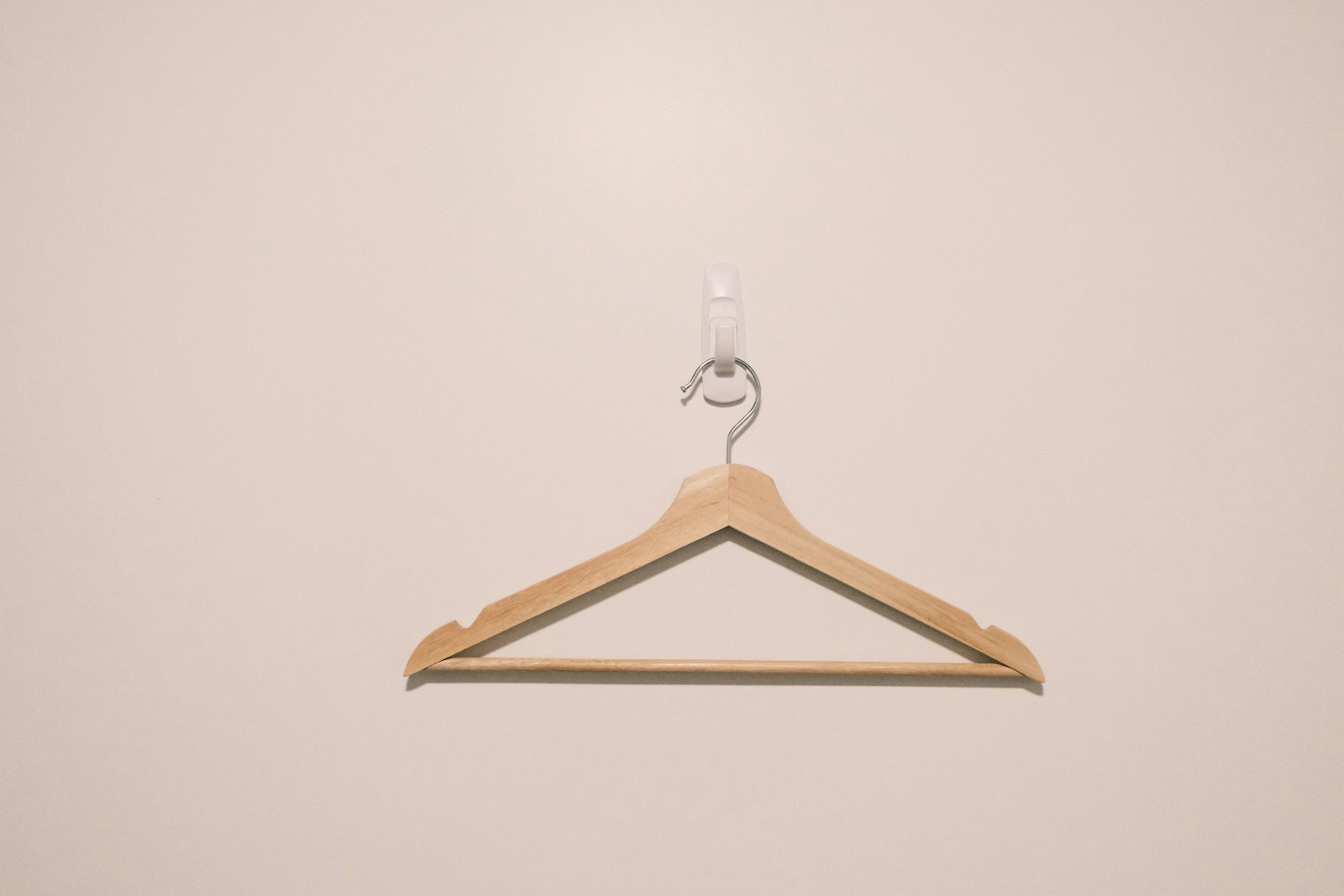
Camel wool demands a gentler regime than most modern fabrics tolerate without complaint. Brushing after each wear removes surface dust before it works into the weave, and dry cleaning should be kept to an absolute minimum, no more than once a season under normal use, since the solvents involved gradually strip the natural lanolin that keeps the wool supple over time. Storage matters just as much: a broad wooden hanger preserves the shoulder line far better than a narrow wire one, and a breathable cotton garment bag protects against moths without trapping the moisture that damages wool fibres over a long summer in storage.
What a Camel Coat Should Actually Cost
Price alone is a poor guide to quality in this category, since plenty of expensive coats are cut from a disappointingly light fabric dressed up with a well-known label, while some genuinely excellent examples come from smaller tailoring houses with far less brand recognition. A more useful approach is to handle the coat before checking the price tag at all, weighing it, checking the drape, examining the stitching at the lapel and pocket edges, and only then deciding whether the number attached feels justified. A coat that feels substantial and well-constructed in the hand, regardless of label, is very often the better long-term purchase than a lighter, more famous alternative bought primarily for the name on the lining.
Where It Fits in a Broader Wardrobe
Within the kind of deliberately edited wardrobe discussed in building a ten-piece capsule wardrobe, a camel coat earns its place precisely because of its range, equally credible over a suit for a client meeting or over a roll-neck for a weekend lunch. It also travels unusually well, folding into the kind of considered travel wardrobe that needs to work across multiple climates and occasions without adding excess bulk to a suitcase. Buy the right one once, have it tailored properly, and resist the urge to replace it — the whole point of a camel coat is that it gets better, not worse, with age. For more on building a wardrobe around pieces this considered, the wider Style & Watches section is worth a browse, before spending on the next piece of a genuinely long-term wardrobe worth building slowly, one considered purchase at a time, over years rather than seasons.
Daniel has spent fifteen years arguing that the best watch is the one you never take off.