The Quiet Luxury of the Cashmere Scarf
A cashmere scarf is the most portable luxury there is. How to judge ply, gauge and length, and how to keep the best cashmere scarf soft for years.
 By Daniel Koh
1 September 2026 · 6 min read
By Daniel Koh
1 September 2026 · 6 min read
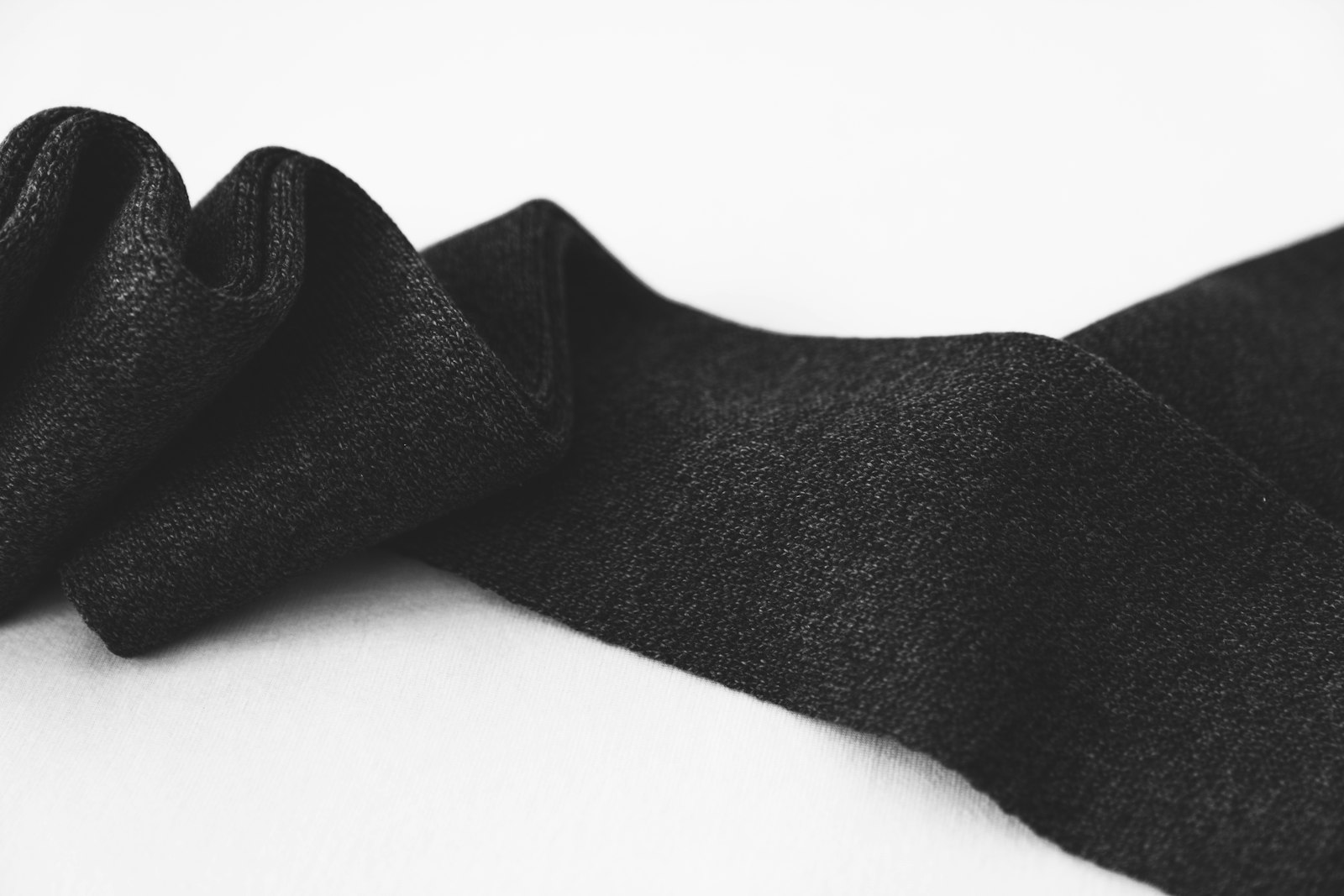
Of all the things a person can own, few deliver as much quiet pleasure per gramme as a good cashmere scarf. It weighs almost nothing, folds into a coat pocket, and yet the moment it goes around the neck the whole day feels warmer and better dressed. For a Singaporean who travels, or who lives half the year in over-cooled offices and aircraft cabins, it is arguably a more useful luxury than a heavy coat. It asks for no occasion. It simply makes cold air bearable and makes you look as though you meant to. For all the money that flows into the more conspicuous corners of luxury, few objects repay their cost as quietly, or as often, as a good scarf slipped around the neck on a cold morning.
What makes cashmere worth it
Cashmere is the fine undercoat of the cashmere goat, combed out by hand in small quantities each spring. There is very little of it per animal, which is why it costs what it does, and why quality varies so widely. The finest fibres are long, thin and pale, and it is the length that matters most: long fibres can be spun into a yarn that resists pilling and holds its softness for years, while short fibres feel wonderful for a fortnight and then bobble into disappointment. Price is a rough guide to fibre length, but not a perfect one, which is why it pays to know what you are feeling for. Rarer fibres take these questions of softness and length further still, as the quiet luxury of the guanashina scarf explores.
The instinct here is the same one that governs any serious purchase of knitwear worth investing in: buy the fibre, not the label. A scarf is small enough that you can afford the good version, and a single excellent one will outlast a drawer of mediocre ones.
Reading ply and gauge
Two words do most of the confusing here. Ply is the number of strands twisted together to make the yarn; gauge is how tightly the yarn is knitted or woven. A two-ply yarn is stronger and more durable than a single, which matters for something you will tug on and knot daily. A tighter gauge holds its shape; a looser, more open weave feels airier but snags more easily. For a scarf meant to last, a two-ply yarn in a fairly close weave is the sensible middle ground.
Weight is the other quiet variable. A heavier, brushed scarf is a genuine winter object; a lighter, flatter weave is better suited to a traveller moving between the tropics and a cold city, and folds down smaller. This is the same calculus that runs through choosing everyday cashmere sweaters: the right weight for how you actually live matters more than the highest possible thread count.
A cashmere scarf is the rare luxury that improves the ordinary day rather than waiting for a special one.
It is worth pausing on where cashmere comes from, because the romance and the reality have drifted apart. Genuine cashmere is still combed from goats raised on the high, cold plateaus where the harsh climate forces the animals to grow their fine insulating undercoat, and the very best fibre comes from the coldest, most marginal grazing land of all. As demand has soared, herds have grown and some of that quality has been diluted, which is why two scarves both labelled pure cashmere can feel so different in the hand. The finest is still out there, but it is a smaller and more expensive part of the market than the volume on the shelves would suggest. This is the strongest argument for buying from a maker who can tell you where their fibre comes from, and for trusting your fingers over the label.
Colour, length and how to wear it
A scarf is where a restrained wardrobe is allowed a little warmth of colour, though the most useful pieces are still the quiet ones: charcoal, camel, oatmeal, a deep navy, a soft grey. These sit against a coat without argument and go with everything. A single note of colour, a muted rust or a bottle green, earns its place if the rest of your outerwear is plain.
Length governs how it drapes. A good general length reaches roughly from the floor to your sternum when folded in half, enough to loop once and let the ends hang, or to knot without strangling. Beyond the classic loop, the ways to wear one are simple and worth knowing, and the broader logic of how to choose and wear a scarf applies here as much as to any wool or silk: keep the knot loose, let the fabric do the work, and never over-arrange it.
Keeping it for a lifetime
Cashmere rewards a little care and punishes neglect quietly, by pilling and thinning where it rubs. The essentials are few:
- Hand-wash, gently — cool water and a wool detergent, never wrung; press the water out and dry flat.
- Rest it — do not wear the same scarf every day; the fibres recover with a day off.
- De-pill by hand — a cashmere comb lifts bobbles without tearing the yarn.
- Store it folded — never on a hook, which stretches it, and with cedar rather than mothballs against pests.
These are the same gentle habits set out in more detail in the guide to how to buy and keep cashmere, and they are the difference between a scarf that lasts a season and one you hand on in twenty years.
The smallest great purchase
There is a case to be made that the cashmere scarf is the best value in the whole of luxury. It costs a fraction of a coat, weighs nothing, goes everywhere, and delivers a small hit of pleasure every single time you put it on. Buy one good one rather than three ordinary ones, look after it, and it becomes the kind of object you reach for without thinking and would genuinely miss if it were gone. That is exactly the quiet, useful indulgence the style and watches pages are built to celebrate.
Daniel has spent fifteen years arguing that the best watch is the one you never take off.