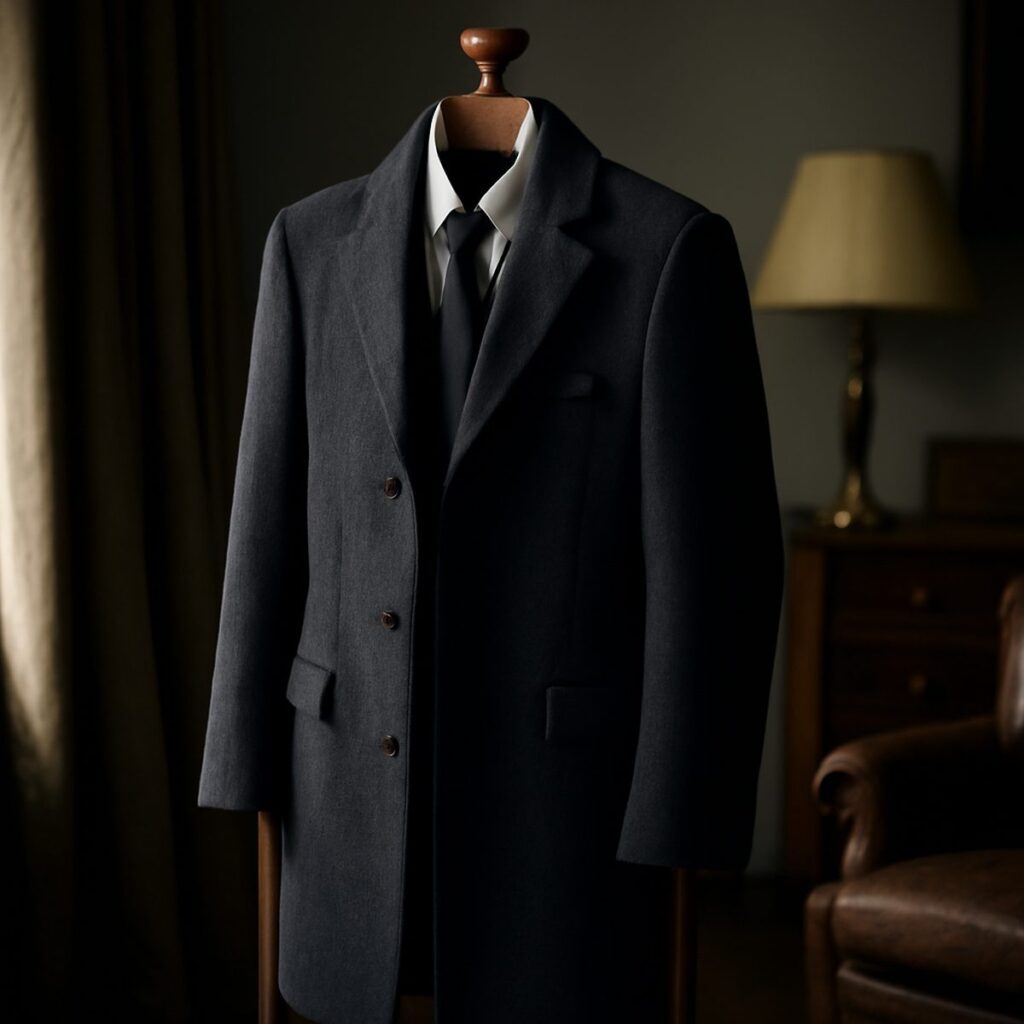
The Best Everyday Geelong Lambswool Knits
Geelong lambswool is finer and softer than standard lambswool, and knowing what actually separates it from ordinary knits makes for a far smarter purchase.
 By Daniel Koh
31 August 2026 · 6 min read
By Daniel Koh
31 August 2026 · 6 min read
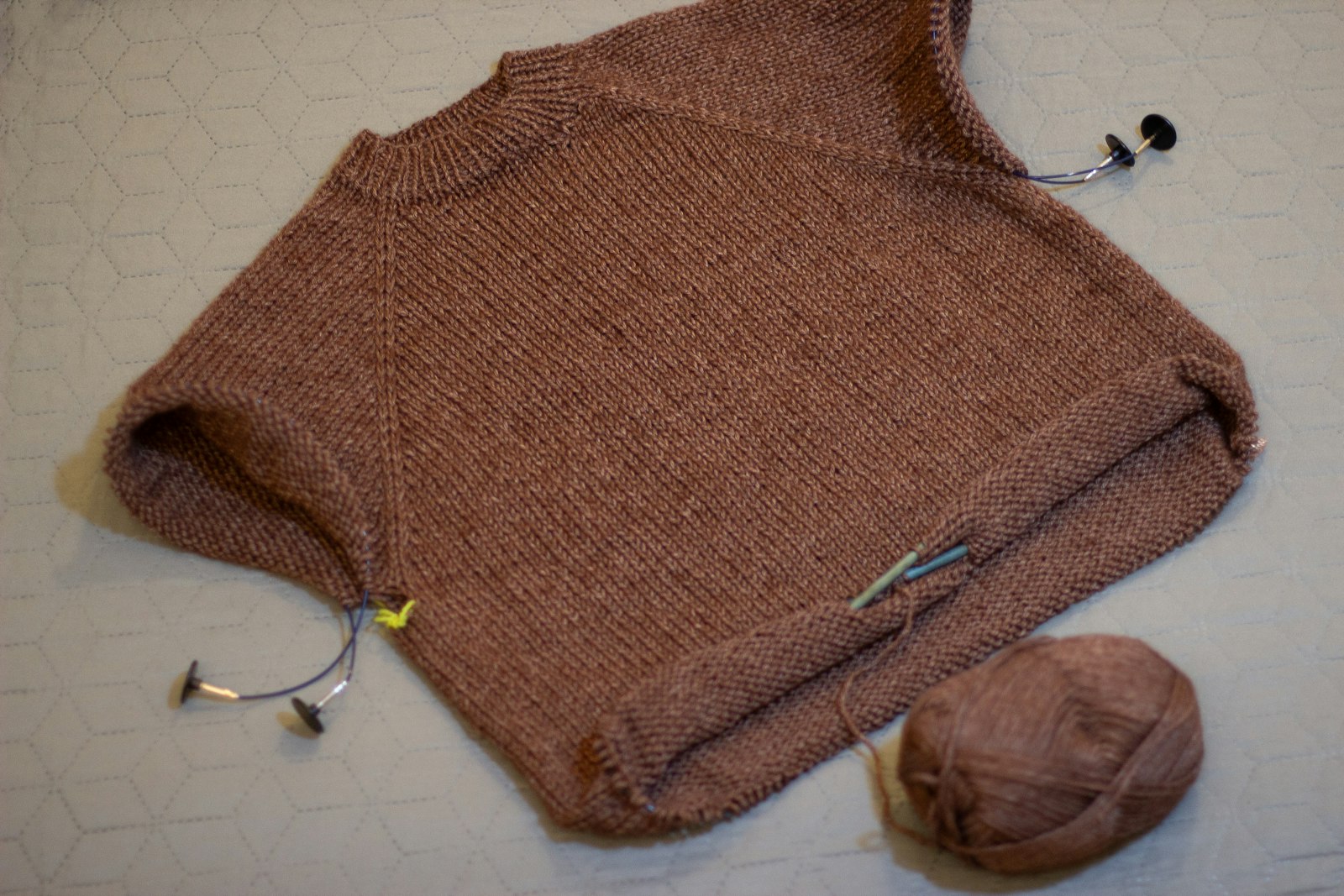
Lambswool has long occupied a strange middle tier in the wardrobe — reliably good, rarely exceptional, the sensible knitwear choice rather than the exciting one. Geelong lambswool complicates that reputation considerably. Named for the fibre’s association with a particular processing standard rather than a single specific farm, Geelong lambswool is spun finer and softer than ordinary lambswool, closing much of the gap with cashmere while retaining the durability and easier care that cashmere often lacks.
What actually makes Geelong different
The fibre’s fineness is typically measured in microns, and while cashmere generally sits in the range that gives it its famous softness, the best Geelong lambswool narrows the gap to a degree that surprises most people encountering the distinction for the first time. This measurable fineness is not marketing language but an actual, testable property of the fibre, which is why reputable retailers are usually happy to discuss micron count directly rather than relying solely on vague claims of premium quality.
The term refers to lambswool that has been combed and spun to a notably fine, even yarn, removing coarser fibres that give standard lambswool its sometimes scratchy reputation. The result is a yarn with a softness that surprises people expecting typical lambswool’s texture, combined with a fine gauge that allows for a slimmer, more refined knit than the chunkier lambswool jumpers most wardrobes already contain. It sits in an interesting middle ground within the broader knitwear worth investing in, more affordable than cashmere but a genuine step up from ordinary lambswool.
Why it suits everyday wear
There is also a genuinely practical origin worth understanding behind the term itself. Geelong, a wool-processing region in Australia, became closely associated with a particular fine-combing standard applied to the raw fibre before spinning, and the name has since become something of a shorthand across the industry for that specific level of quality regardless of exactly where the finishing takes place. Buyers should treat “Geelong” as a marker of processing standard rather than a strict geographic guarantee, and ask a retailer directly about sourcing if provenance matters to them specifically.
Durability without the bulk
Lambswool’s natural elasticity and resilience make it considerably more forgiving of daily wear than cashmere, resisting pilling and holding its shape through repeated wear and washing far better than the softer, more delicate fibre. Geelong’s finer spin means you get much of cashmere’s next-to-skin comfort without sacrificing that everyday resilience, making it arguably the more practical choice for a jumper worn several times a week rather than saved for special occasions.
Temperature regulation
Wool’s natural ability to regulate temperature — insulating in cold weather while still allowing the skin to breathe — makes a fine lambswool knit genuinely versatile across a wider temperature range than a heavier fibre might suggest. A Geelong lambswool jumper works as convincingly layered under a coat on a cold commute as it does worn alone on a mild autumn evening.
Cost and value
Priced meaningfully below cashmere but above standard acrylic or coarse wool blends, Geelong lambswool occupies a genuinely useful value position for anyone building a knitwear rotation without committing entirely to cashmere’s higher price and more demanding care requirements. It is worth comparing directly against the broader guidance in cashmere: how to buy it, how to keep it, particularly for readers deciding where in their wardrobe cashmere is worth the investment and where a fine lambswool does the job just as well.
What to look for when buying
Origin labelling can be genuinely confusing in this category, since the finishing process associated with the Geelong name can technically be applied to wool sourced from various regions, not exclusively from the town itself. This is not necessarily a mark against a garment, but it is worth a brief question to the retailer if provenance and traceability matter to your buying decision, in the same way a considered buyer might ask about the mill behind a bolt of suiting cloth rather than assuming quality from branding alone.
Gauge matters considerably — a genuinely fine Geelong knit should feel notably lighter and smoother than a standard lambswool jumper of similar weight, and the difference is usually obvious within seconds of handling both side by side. Check the knit’s construction at the cuffs and hem, since a well-finished piece holds its rib tightly without stretching out after a handful of wears, a common failure point in lower-quality lambswool knitwear.
- Feel the yarn directly against the inside of your wrist before buying — genuine Geelong lambswool should feel notably soft, not scratchy
- Check the knit’s gauge; finer knits typically indicate the higher-quality Geelong spinning process
- Hand wash or use a wool cycle, and always dry flat rather than hanging
- Store folded rather than hung, to preserve the shoulder shape over repeated seasons
“Most people can’t tell the difference between good lambswool and Geelong lambswool until they’ve worn both. Then they never go back,” a knitwear buyer for a menswear retailer told us.
Colour and how it wears over time
Fine lambswool takes dye particularly well because of the evenness of its fibres, which means Geelong knits are often available in richer, more saturated colours than coarser wools can achieve convincingly. That richness fades gracefully with proper care rather than turning patchy or dull, one more small advantage of paying for the finer grade over a season or two of regular wear. A well-kept Geelong jumper, several years in, should still hold noticeably more depth of colour than a cheaper wool bought at the same time and worn with similar frequency.
A smarter everyday choice
Geelong lambswool occupies exactly the space a considered wardrobe benefits from most — a material good enough to feel like a genuine upgrade, durable enough to actually wear often, and priced sensibly enough to buy in more than one colour. For readers comparing it against other fine wools and knit weights, our Style & Watches section and our piece on the best everyday lambswool sweaters both offer useful further reading before making a final purchase.
Buy one in a versatile colour first, wear it hard through a season, and the case for Geelong lambswool tends to make itself far more convincingly than any spec sheet could.
Daniel has spent fifteen years arguing that the best watch is the one you never take off.