The Quiet Luxury of the Brill Course
Sweet, firm and overlooked, brill is the flatfish worth knowing, turbot's quieter cousin. Here is why it belongs at a good table and how to cook it whole.
 By Renée Tan
2 September 2026 · 7 min read
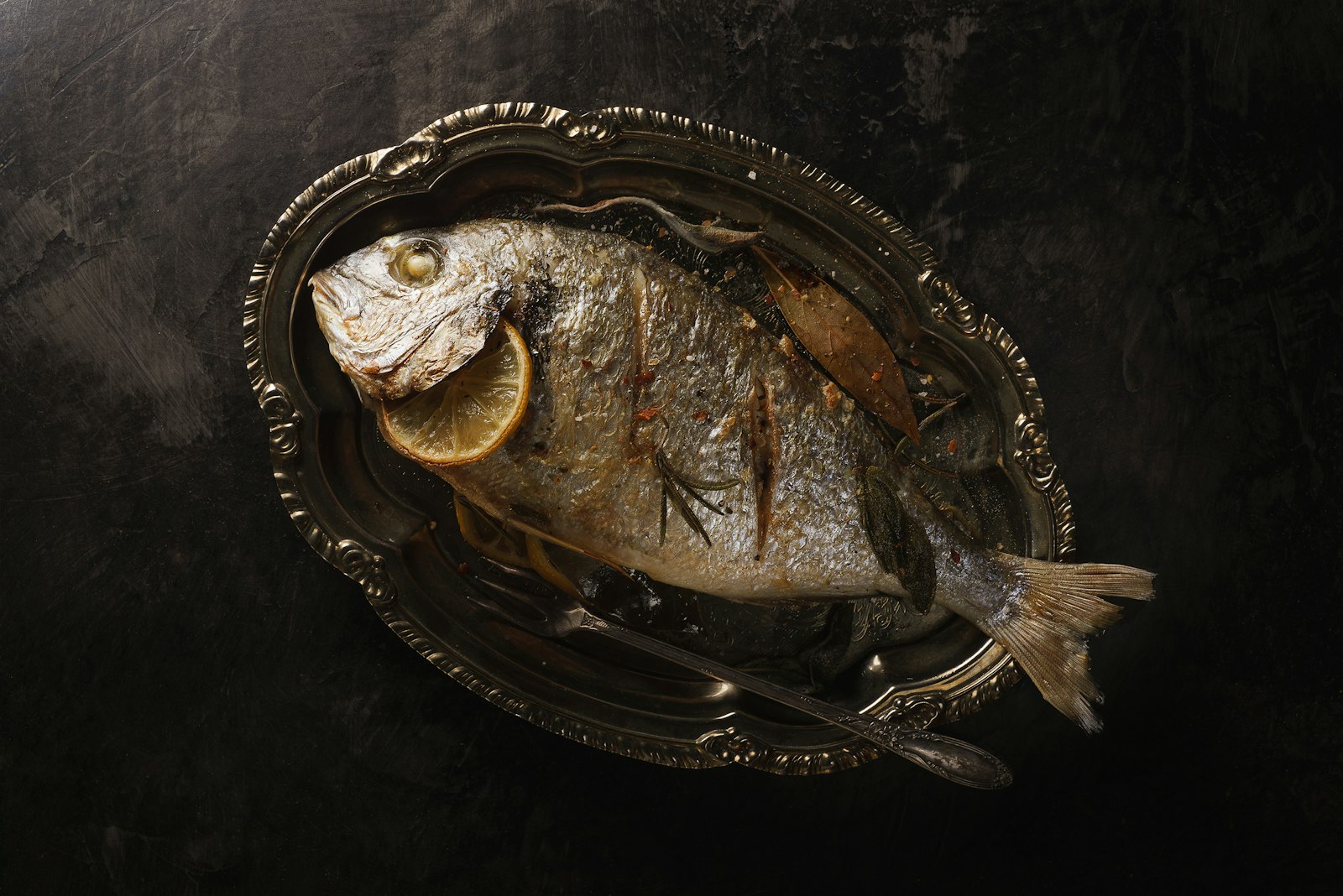
There is a hierarchy among flatfish, and at the very top sits turbot, the king, priced accordingly. Just below it, quietly excellent and far less expensive, sits brill, and it is one of the best-kept secrets of anyone who cooks fish seriously. Brill has the firm, white, sweet flesh of its more famous cousin, the same luxurious texture and clean flavour, at a fraction of the cost and with a fraction of the fanfare. To serve a whole brill at a good table is to demonstrate a certain quiet confidence: you know something the show-offs do not.
It is the kind of ingredient that rewards knowledge over money. Anyone can order the most expensive fish on the list. It takes a little understanding to reach instead for the one that delivers ninety per cent of the pleasure for half the price, and to cook it in a way that lets its virtues speak.
What brill is
Brill is a flatfish, a relative of the turbot, found across the eastern Atlantic and the Mediterranean. It has an oval, brownish body speckled to blend with the seabed, and a firm, fine-textured white flesh that holds together beautifully when cooked. The flavour is sweet and delicate, more so than turbot to some palates, with a clean, almost buttery quality that needs very little help to shine. For those who decide the grander fish is worth the occasion after all, the quiet luxury of the turbot course makes the case.
Because it is less fashionable than turbot, sole or sea bass, it is often better value and, crucially, less over-fished in some waters, though as always it pays to buy from a good fishmonger who can tell you where it came from. The quality of the fish is everything, which is why the sourcing principles that matter so much in why smoked fish deserves a second look apply just as forcefully to buying it fresh.
Why cook it whole
Brill can be filleted, but to cook it whole is to treat it properly. A whole flatfish cooked on the bone stays moist, keeps its shape and delivers far more flavour, because the bones and skin protect and season the flesh as it cooks. Carving it at the table is a small piece of theatre, and the reward is fish that is succulent right through rather than dried at the edges. The same whole-fish philosophy suits another prized species, as our piece on the John Dory course explains.
A whole brill of a good size is a generous thing, easily feeding two or three from one fish. It is exactly the sort of centrepiece that turns an ordinary dinner into an occasion without a great deal of effort, and it belongs among the considered, unshowy dishes we celebrate across our dining and drinks pages, where good ingredients treated simply always win.
Brill is turbot without the swagger: the same firm, sweet, white flesh, cooked whole and carved at the table, for a fraction of the price and none of the fuss.
How to cook it
The great virtue of brill is that it needs almost nothing done to it. The classic treatments are the gentlest: roasting whole in a hot oven with butter, lemon and herbs; braising slowly in a little wine and stock; or, best of all for a large fish, poaching in a fish kettle so the flesh cooks evenly and stays impossibly moist. That last method is why a specialist pan is worth owning, as we argue in why a good fish kettle earns its place: a whole flatfish gently poached is a revelation.
Whatever the method, restraint is the rule. A little good butter, a squeeze of lemon, some soft herbs, perhaps a spoonful of the cooking juices poured over: that is all a good brill wants. Overwhelm it with a heavy sauce and you have wasted the very quality that makes it worth buying. Season it well, and a scatter of good finishing salt, chosen with the care we describe in our primer on salt, the finishing touch, does more for it than any elaborate garnish.
Carving and serving at the table
Half the pleasure of a whole brill is bringing it to the table intact and carving it in front of your guests, and it is far easier than it looks. Lay the cooked fish on a warm platter, run a spoon and fork gently down the centre line to part the top fillets, then lift each away from the bone in a single clean piece. When the top is served, lift the backbone away in one go and the bottom fillets come free beneath it. A jug of the buttery cooking juices, a bowl of steamed new potatoes and a simple green vegetable are all the accompaniment such a fish needs; anything more elaborate distracts from it. The whole performance takes a minute or two and turns a quiet dinner into something that feels generous and considered, exactly the register that suits the fish.
This is a way of eating that quietly rejects the idea that quality can be measured by price alone. The best cooks and the best hosts are rarely the ones who spend the most; they are the ones who know the most, who can look at a fishmonger’s slab and choose the fish that will eat best rather than the one that costs most. Brill is a small masterclass in exactly this way of thinking. Choose it, cook it simply and carve it with care, and you show a confidence that no amount of expensive turbot could ever buy.
The real luxury of the brill course is not the fish itself but the knowledge behind it. In a food culture that too often equates quality with price, choosing brill is a small act of expertise, a sign that you understand what makes fish good and are not simply reading down the menu from the most expensive item. So the next time you see brill at the fishmonger, buy the biggest one you can, cook it whole and simply, and carve it at the table for people you like. It will cost you less than the fish everyone has heard of, and it will taste every bit as good.
Frequently asked questions
What is brill fish?
Brill is a flatfish closely related to turbot, found in the eastern Atlantic and Mediterranean. It has an oval, speckled brownish body and firm, fine, sweet white flesh with a clean, almost buttery flavour. It offers much of turbot’s quality at a lower price.
How does brill compare with turbot?
Brill offers similar firm, white, sweet flesh and luxurious texture, though turbot is generally slightly firmer and more prized. Brill costs considerably less and is less fashionable, making it excellent value. Some cooks find its flavour even more delicate.
What is the best way to cook a whole brill?
Keep it simple: roast it whole with butter, lemon and herbs, braise it gently in wine and stock or poach it in a fish kettle. Cooking on the bone keeps the flesh moist and flavourful. Avoid heavy sauces that mask its delicate taste.
How do you carve a whole cooked brill at the table?
Place the fish on a warm platter, run a spoon and fork down the centre line and lift the top fillets away from the bone. Then lift off the backbone in one piece to free the bottom fillets. Serve with the buttery cooking juices.
Where can I buy brill in Singapore?
Brill is imported and not always stocked, so ask specialist fishmongers or premium seafood suppliers who source European fish. Order ahead where possible, ask about origin and freshness and choose firm fish with bright eyes and a clean sea smell.
Renée has covered Singapore's restaurants for over a decade, with a soft spot for the kitchens most people walk past.